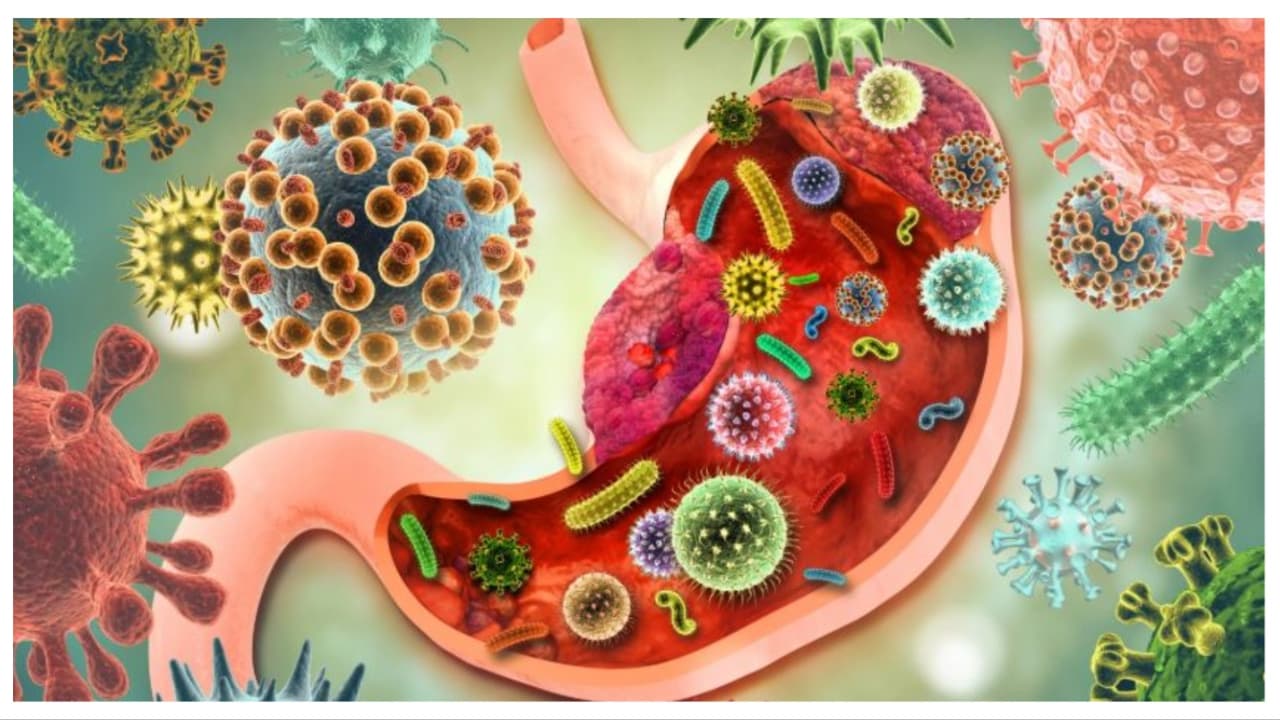
World Health Day 2026: Stress has become a constant undercurrent. Within this environment, the digestive system tends to bear the initial impact.
Modern life in India rarely pauses, and neither do the habits shaping its health outcomes. Meals are usually squeezed in between meetings, and screens dominate both work and leisure. Stress has also become a constant undercurrent. Within this environment, the digestive system tends to bear the initial impact.
While obvious health issues are readily apparent, gut imbalances develop over time, masked by routine unease. A sense of heaviness or bloating after meals, regular acid reflux, or inconsistent digestion is generally left unaddressed until it worsens in the long run. The scale of this shift is significant: nearly 56.4 per cent of India’s disease burden is now linked to poor diet and gut health. What appears routine is, in reality, a growing public health concern.
When Everyday Habits Start Working Against the Gut
At the centre of this crisis lies chronic stress, quiet, persistent, and deeply disruptive. Clinical observations and medical studies have consistently shown that prolonged stress alters gut motility, increases acid production, and disrupts the balance of healthy gut bacteria. This disturbance in the gut–brain axis not only slows digestion but also amplifies sensitivity, making symptoms such as bloating, cramps, and irregular bowel movements more frequent.
Related Articles

Eating patterns are equally responsible for declining gut health. According to the research published in the National Library of Medicine, regularly skipping breakfast is associated with metabolic disruption, inflammation and changes in gut microbiota. The digestive system depends on rhythm, and without it, processes such as enzyme activation and bowel regulation begin to falter. Over time, this leads to persistent acidity, poor nutrient absorption, and a higher likelihood of disorders such as Irritable Bowel Syndrome (IBS).
Dietary shifts further intensify the issue. The growing reliance on processed and low-fibre foods deprives the gut microbiome of essential nutrients required for balance. Studies on gut microbiota in IBS patients have shown a clear imbalance, fewer beneficial bacteria and an increase in harmful strains, connecting modern dietary patterns to digestive dysfunction.
The Screen–Sleep–Sedentary Loop
Modern lifestyles revolve around screens, not only at work but also during meals and late into the night. Emerging research has related excessive screen time and social media usage to poor sleep quality, elevated stress levels plus gastrointestinal disorders, including functional bowel conditions. This consistent exposure disrupts circadian rhythms, which play a pivotal role in regulating digestion.

In addition, prolonged sitting and distracted eating slow gut motility. The digestive tract’s natural wave-like movements become less efficient. Consequently, it leads to bloating, discomfort and constipation. Gradually, these habits can affect overall digestive health.
Simultaneously, conditions like IBS are becoming more prevalent in urban populations. Significant treatment gaps persist, as many people remain unaware of the condition, often misdiagnosing it themselves and relying on self-medication or home remedies to manage the symptoms, while delaying professional care and allowing the issue to continue or worsen.
Repairing the Gut: Small Shifts, Meaningful Impact
Encouragingly, this crisis is largely preventable and reversible with consistent lifestyle changes. Diets rich in fibre, whole foods, and plant diversity help restore gut microbiome balance. On the other hand, natural probiotics like curd and buttermilk support digestive health by replenishing beneficial bacteria.
Stress management is equally critical. According to a Harvard Medical School study, interventions like mindfulness, meditation and behavioural therapies can significantly improve gut-related symptoms by limiting stress-driven triggers.

Also, staying active directly enhances gut motility. Engaging in moderate movement such as walking or yoga, fosters gut motility and lowers bloating and constipation. Consistent sleep, generally 7–9 hours, is important for hormone balance and digestive repair.
Further, emerging solutions help in restoring balance at a deeper and systemic level. Certain formulations and capsules are designed to strengthen the gut environment. They significantly support existing microbiota, improve gut lining integrity plus address the root causes of imbalance rather than offering temporary relief. When combined with sustained dietary and lifestyle changes, such approaches can help reduce acidity, bloating, and digestive discomfort more effectively.
In sum, the warning signs are already visible. What appears to be everyday discomfort is, in truth, a reflection of deeper lifestyle disruption. Addressing this silent crisis requires a transition towards consistency, awareness, and early intervention—before it evolves into a long-term health burden.
By Pranshul Aggarwal, Founder, LivLively