
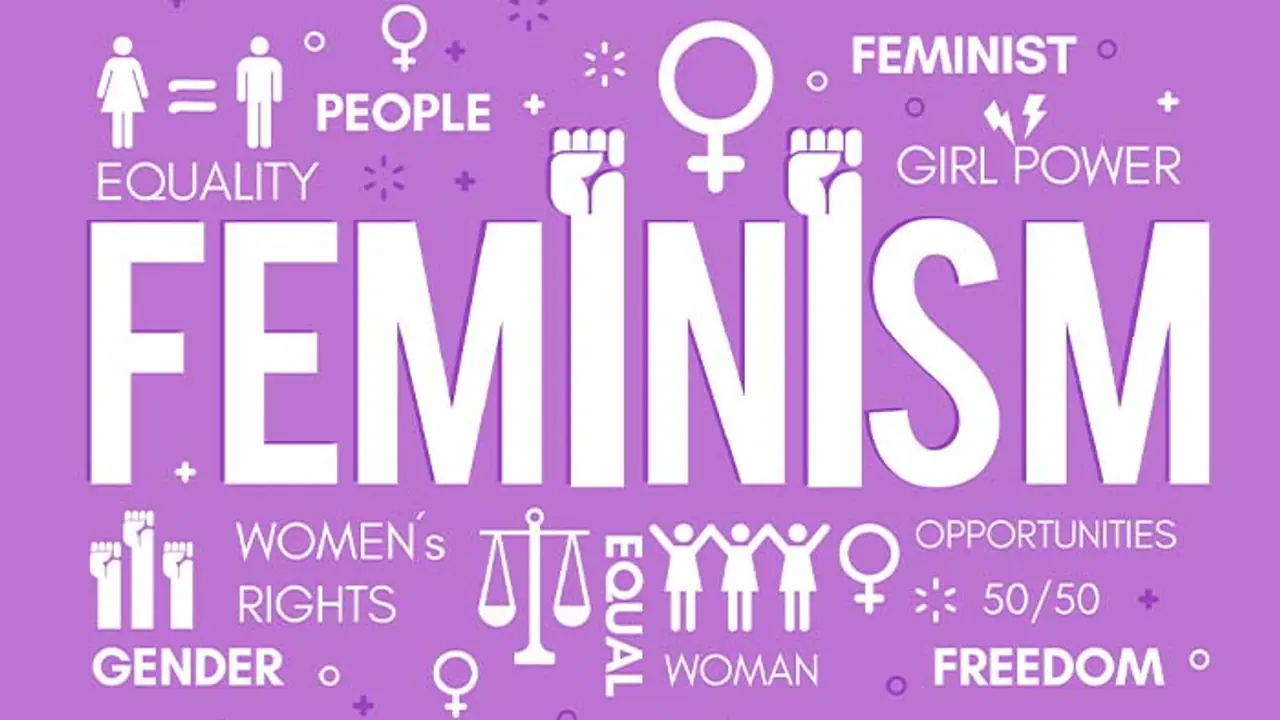
Feminism is often misunderstood with many offensive definitions. On Women's day, Let's look at the actual meaning and real perspective of women behind the concept 'Feminism'.
Women's Day is around the corner, and still, women are struggling to clarify many concepts, among which is feminism in this generation. This is actually considered the social media trend, but not many people know about the origin and alterations of the concept of feminism. Let's look at the actual concept of feminism.
Understanding Feminism
Feminism is a movement that is led to achieve gender equality by challenging the societal norms and barriers that stop women from making a career. It advocates for equal rights, opportunities, and treatment for all the genders. Feminism is not about elevating women above men, but it is a trial to seek equality in the male-dominated society.
The Evolution of Feminism
Feminism is not just a recent social media trend. It has been there for centuries, and the evolution of feminism has been making waves by addressing different issues and challenges.
First Wave (19th and early 20th centuries): During this wave, feminism is mainly focused on legal issues, such as women's suffrage and property rights.
Second Wave (1960s-1980s): During this wave, feminism addressed social and cultural inequalities, including reproductive rights, workplace discrimination, and domestic violence.
Third Wave (1990s-2010s): During this wave, feminism advocated individuality, diversity, and intersectionality, recognizing that women's experiences vary based on race, class, sexuality, and other factors in society.
Fourth Wave (2010s-present): During this wave, people are utilizing digital platforms to advocate for gender equality, addressing issues like sexual harassment, body positivity, and online misogyny, making the definition of feminism a little changed.
While feminism is actually meant to be for equality in everything among all the genders. Now, due to the various experiences like discrimination on race, gender, sexuality, class, etc., altering the definition. Understanding these dynamics and bringing necessary changes can address the issues better to step forward to equality.
Challenges and Misconceptions on Feminism:
Despite significant progress in society, feminism still faces challenges and misconceptions:
Misunderstanding Feminism: Some people tend to believe that feminism is about hating men or seeking female superiority, which it is not. In reality, feminism focuses on seeking equality and justice for all genders.
Backlash and Resistance: Feminists are often prone to bullying and trolls and misunderstand the movement's goals. This backlash can turn up as online harassment, political opposition, or social stigmatization.
Intersectional Challenges: Feminism is about addressing the diverse experiences of women. This requires a delicate approach that considers various forms of discrimination, and this complexity can make it challenging to create solutions and strive towards equality.
ALSO READ: Floodlighting in Dating: Dark side of relationship turning love into drama
Responsibilities of Feminism:
Feminism turns up in various ways; from activism to policy advocacy, there are many issues that are addressed by feminists. Here are some examples of how feminism is making a difference:
Advocating for Equal Pay: Feminism also strives for pay equality to aim to eliminate the gender wage gap and make sure everyone gets paid what they deserve for the work they do, despite gender bias.
Combating Gender-Based Violence: Feminist organizations are very dedicated and strict in working to prevent and address domestic violence, sexual harassment, and other forms of gender-based violence.
Promoting Reproductive Rights: Feminists advocate for access to reproductive healthcare, including contraception, abortion, and maternal care, to avoid health issues and deadly diseases that are caused when women stick to the societal norms.
ALSO READ: Deva actress Pooja Hegde reveals how shahid sapoor's 'Therapy Sessions' helped her
