- Home
- Lifestyle
- Travel Diaries | Spiti Valley: Snow-Capped Peaks, Ancient Monasteries, Rugged Landscapes, High-Altitude Adventures
Travel Diaries | Spiti Valley: Snow-Capped Peaks, Ancient Monasteries, Rugged Landscapes, High-Altitude Adventures
Discover Spiti Valley, a Himalayan gem with ancient monasteries, pristine lakes, rugged landscapes, and high-altitude adventures. Experience local culture, traditional food, remote villages, and breathtaking scenic beauty.
A Land Where Time Stands Still
Tucked away in the remote folds of the Himachal Pradesh, Spiti Valley feels like a world untouched by haste. Its vast moonscapes, ancient monasteries, and quiet villages create a sense of calm that few places on earth can offer. Here, mountains glow golden at sunrise, prayer flags flutter in the cold breeze, and the silence feels sacred.
Known as the “Middle Land” between India and Tibet, Spiti is a unique blend of rugged beauty and rich Buddhist heritage. From high-altitude lakes to century-old gompas, every corner of Spiti shares a story of resilience, faith, and nature in its purest form.
Whether you are a seeker of solitude, an adventure lover, or someone who simply wants to disconnect, Spiti welcomes you with warmth. Its winding roads, dramatic landscapes, and star-filled night skies offer an experience that stays with you long after your journey ends.


History Of Spiti Valley
Origins In The Zhang Zhung Kingdom
- Early history linked to the ancient Zhang Zhung Kingdom.
- Archaeological evidence shows pre-Buddhist rituals and early socio-political structures.
- Indigenous culture shaped the valley’s earliest identity.
Tibetan Influence And Spread Of Buddhism
- Tibetans introduced and strengthened Buddhism in Spiti.
- Monasteries like Key, Tabo, and Dhankar became centers of learning.
- Culture evolved through a blend of indigenous, Hindu, and Tibetan practices.
- Kaza grew as a major trade center.
British Rule And Administrative Shifts
- 1846: East India Company annexed Spiti after defeating the Sikhs.
- British retained local administration under the hereditary Nono of Kyuling.
- 1941: Lahaul and Spiti combined into a sub-tehsil of Kullu.
Formation Of The Lahaul-Spiti District
- 1960: Region reorganized as the Lahaul and Spiti district.
- Spiti became a separate sub-division, with Kaza as headquarters.
Inner Line Restrictions After 1962
- Post Sino-Indian War, Spiti was placed under the Inner Line Permit system.
- Restricted access preserved its remote and pristine character.
Spiti In The Modern Era
- Known for ancient monasteries, high-altitude villages, and Himalayan landscapes.
- Tourism has grown while traditional Buddhist culture remains well-preserved.
Top Places To Visit In Spiti Valley
Key Monastery: The largest monastery in Spiti, Key Gompa offers spectacular valley views and showcases ancient Buddhist art and scriptures.
Chandratal Lake: A stunning crescent-shaped high-altitude lake known for its crystal-clear waters and breathtaking mountain reflections.
Kaza : The vibrant administrative hub of Spiti, famous for its markets, cafes, and the popular Komic–Hikkim–Langza circuit.
Langza: A picturesque village known for its giant Buddha statue, fossil-rich mountains, and incredible stargazing opportunities.
Hikkim: A remote village best known for housing one of the world’s highest functioning post offices.
Komic: One of the highest motorable villages on earth, home to the historic and serene Tangyud Monastery.
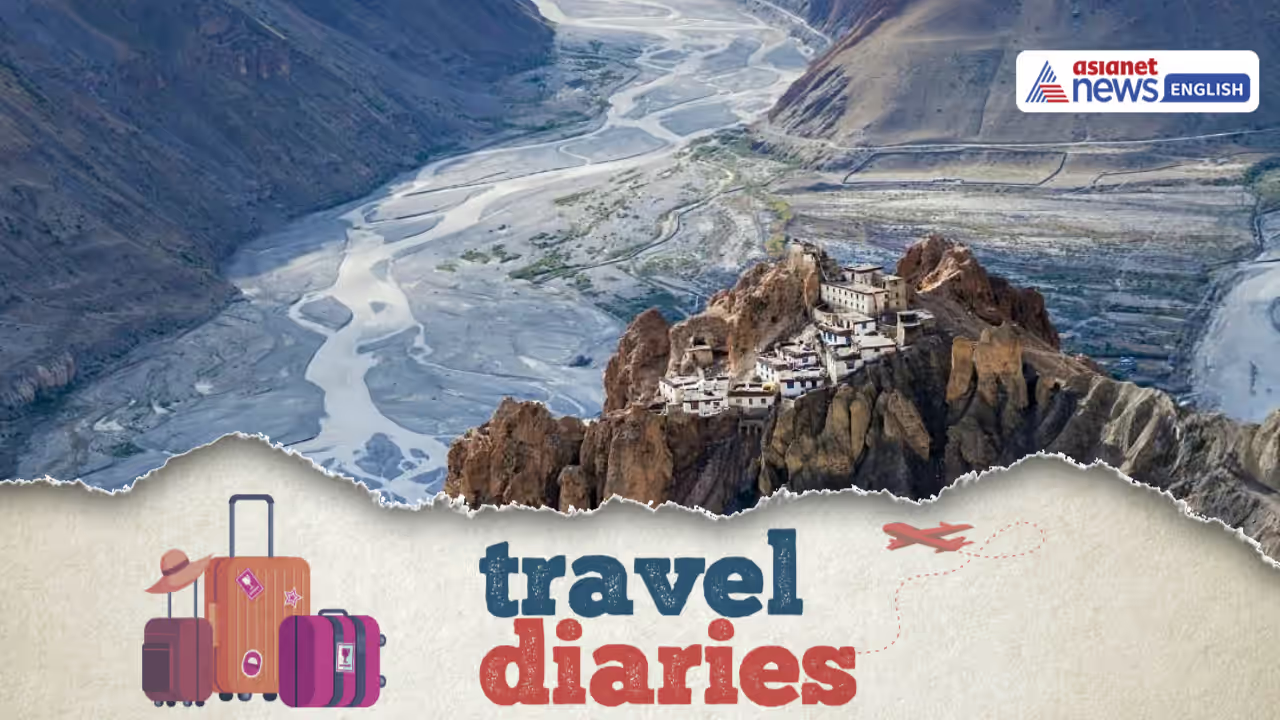
Dhankar Monastery and Lake: A dramatic cliffside monastery with sweeping views, paired with a scenic uphill trek to the tranquil Dhankar Lake.
Pin Valley National Park: A pristine wildlife sanctuary renowned for snow leopards, Siberian ibex, and rugged Himalayan landscapes.
Trilokinath Temple: An ancient pilgrimage site revered by both Hindus and Buddhists for its spiritual and cultural significance.
Lhalung Monastery: A 10th-century monastery known for its intricate murals and peaceful village surroundings.
Suraj Tal: A striking high-altitude lake admired for its deep blue waters and spectacular Himalayan backdrop.
Spiti River: The lifeline of the valley, flowing through scenic landscapes and offering beautiful spots for photography and relaxation.
Things To Do In Spiti Valley
- Trek to Chandratal Lake.
- Stay in a high-altitude Spitian homestay.
- Try local dishes like yak cheese, butter tea, thukpa, and momos.
- Go fossil hunting at Langza.
- Attend early morning prayers at Key or Komic Monastery.
- Experience night sky photography in Spiti’s dark-sky conditions.
- Bike or drive the adventurous Spiti Circuit.
- Explore remote villages such as Tabo, Mudh (Pin Valley), and Gue with its 500-year-old mummy.
Best Time To Visit
Summer (May to October): Best season with open roads, pleasant weather, and ideal conditions for sightseeing and trekking.
Winter (November to March): Extremely cold with temperatures dropping to around –20°C, suitable mainly for snow leopard expeditions and adventure travellers, but access is limited.
How To Reach Spiti Valley
Via Shimla (Open Year-Round): Route: Shimla → Narkanda → Rampur → Reckong Peo → Nako → Kaza This is the safer, smoother route and helps with better acclimatization.
Via Manali (Open June To October): Route: Manali → Rohtang/Atal Tunnel → Gramphu → Batal → Kunzum Pass → Kaza This route is more adventurous with rougher roads and a quicker ascent.
Nearest Airports
- Bhuntar (Kullu) – around 250 km from Kaza
- Shimla Airport – limited flights
Nearest Railway Stations
- Joginder Nagar – nearest narrow-gauge station
- Chandigarh/Kalka – major stations with better connectivity
By Bus/Taxi
- HRTC buses and shared taxis operate between Shimla, Manali, and Kaza during the travel season.
Getting Around Spiti Valley
Local Taxis: The most convenient way to travel between villages and major attractions; available in Kaza.
Shared Cabs/Jeep Services: Budget-friendly option connecting Kaza with nearby villages like Langza, Hikkim, Komic, and Mudh.
Motorbike Rentals: Bikes and scooties can be rented in Kaza for exploring the Spiti Circuit and nearby spots.
HRTC Buses: Limited but reliable bus services operate on fixed routes between Kaza, Key, Kibber, Tabo, and Dhankar.
Walking and Short Hikes: Many villages and monasteries are connected by scenic walking trails, ideal for short treks.
Where to Stay?
Hotels: Ideal for travellers seeking comfort, amenities, and reliable services. Options usually range from budget to luxury depending on the destination.
Resorts: Best for those looking for a relaxed vacation with recreational facilities, scenic surroundings, and all-inclusive packages.
Homestays: Perfect for cultural experiences, local food, and affordable stays. Great for solo travellers and small groups.
Guesthouses and Lodges: Budget-friendly and simple accommodations, typically located near major attractions or transport hubs.
Hostels: Suitable for backpackers and budget travellers. Provide shared dorms, social spaces, and basic amenities.
Vacation Rentals: Ideal for families or long-term stays; includes apartments, villas, cottages, or unique stays like treehouses or farm stays.
What to Eat?
Thukpa: A warm Tibetan-style noodle soup, perfect for the cold mountain weather.
Momos: Steamed or fried dumplings filled with vegetables, chicken, or yak meat.
Butter Tea (Gur Gur Chai): Traditional tea made with yak butter and salt, commonly consumed by locals.
Tingmo: Soft steamed bread often served with lentils or vegetables.
Yak Cheese: Locally made cheese with a distinct, rich flavor, used in cooking or eaten as a snack.
Local Lentils and Buckwheat Dishes: Simple, wholesome meals made from locally grown grains and pulses.
Barley-based Dishes: Such as tsampa (roasted barley flour) often mixed with butter or tea.
Traditional Sweets: Simple Himalayan sweets made from jaggery, dry fruits, and local grains.
Spiti Valley Post Offices
Spiti Valley has some of the world’s highest post offices.
Hikkim Post Office: One of the highest in the world, where visitors can send postcards.
Komic Post Office: Located in a high-altitude motorable village, offering a unique postal experience. These post offices connect remote communities and provide a memorable activity for travellers.
Winter In Spiti Valley
Visiting Spiti Valley in winter offers a magical snow-covered landscape, turning the rugged mountains and villages into a serene white wonderland. Roads are mostly snowbound, making access challenging, but the experience is unmatched for adventure lovers and photographers.
Snow transforms monasteries, high passes, and frozen rivers into breathtaking scenes, while the valley’s peaceful atmosphere provides complete solitude. Winter is also ideal for spotting snow leopards and witnessing traditional village life in a quiet, frozen setting.
Why Spiti Valley Should Be On Your List?
Spiti Valley should be on every traveller’s list for its breathtaking landscapes, rich culture, and unique experiences. From rugged mountains and high-altitude lakes to ancient monasteries and remote villages, the valley offers a perfect blend of adventure and serenity.
Trekking, biking, fossil hunting, stargazing, and visiting the world’s highest post offices make every trip memorable. Its untouched beauty, peaceful environment, and vibrant culture create an experience that stays with you long after you leave.
Explore the latest Lifestyle News covering fashion, wellness, travel, Food and Recipes, and more. Stay updated with trending Health News, fitness tips, and expert insights to inspire your daily living. Discover personalized lifestyle trends that keep you stylish and informed. Download the Asianet News Official App from the Android Play Store and iPhone App Store for everything that adds value to your everyday life.