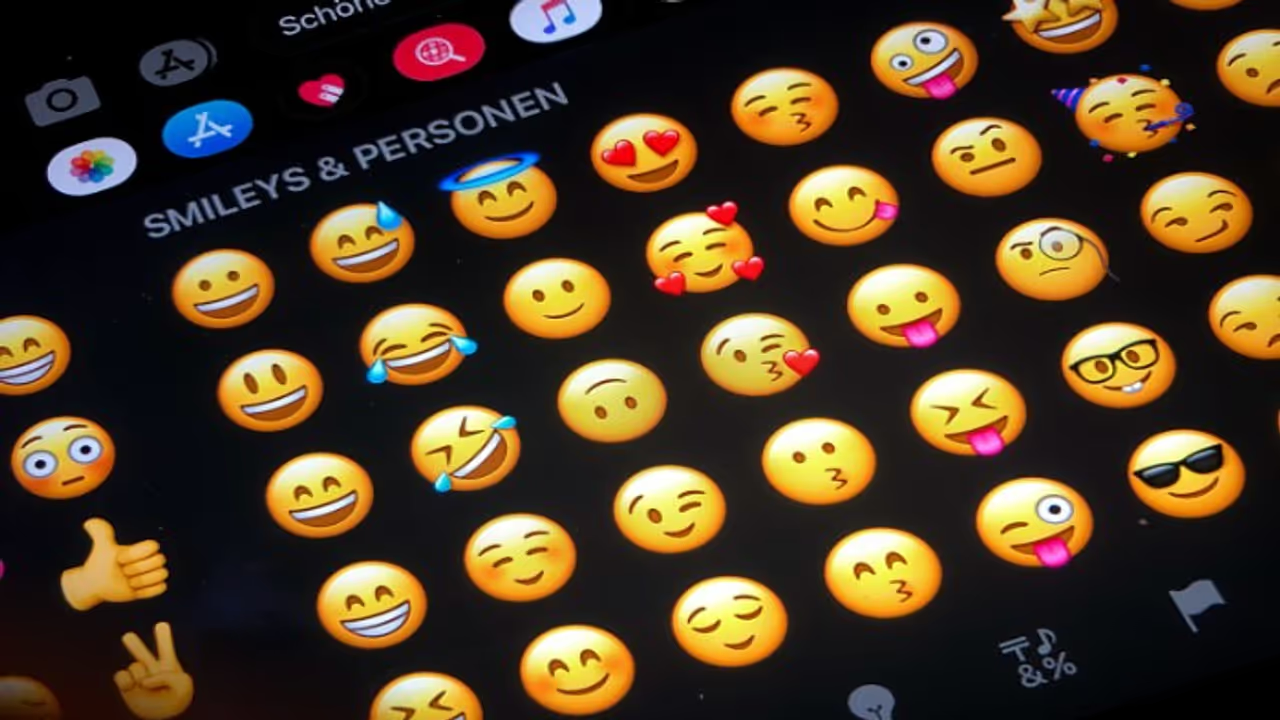
Emojis have evolved from simple emotional expressions to complex symbols of irony and slang. A recent Google Trends study reveals the most defining emojis from 2020 to 2026, showcasing how younger generations have reshaped digital communication. These changing trends highlight that emoji culture is constantly adapting to new social media contexts.
Emojis are now an important part of online conversations because they let people show how they feel, what they're thinking, or even whole ideas without having to type out a long message. But over the years, the emojis that people use the most have changed a lot.
A new study from Google Trends shows how digital expressions have changed over time by looking at emoji trends from 2020 to 2026. A lot of people know some of the year's choices, while others have very specific meanings that have become popular in online chats.
While classics like the laughing-crying face once dominated global group chats, younger generations have reshaped how we express emotions online. Here is a look at the most defining emoji for every year since 2020 and what it said about our collective mood.
Related Articles

2026: 🤣
The sideways crying-while-laughing expression emerged as the most-used emoji trend for 2026, reflecting the continued popularity of exaggerated reactions to humour and online content.
The development is part of a broader shift in how younger internet users use emojis. Rather than simply representing their literal meanings, familiar emojis are increasingly used ironically or to convey an exaggerated emotional response.
2025: 🤏
The pinching hand emoji was the year's standout in the Google Trends data. Its meaning depends heavily on context. It can be used as a cheeky gesture, to ask "what do you want?", or simply to suggest something small, or can also be texted to connote a “chef’s kiss” level of rightness.
The emoji has also found a place in internet slang and playful online conversations.
2024: 🙅♀️
The horizontally shaking head became the standout emoji for 2024. It is commonly used to communicate disagreement or rejection and can convey everything from a straightforward "no" to a playful refusal.
Its rise also reflects how emojis can become shorthand for everyday conversational responses.
2023: 🩷
It was the pink heart that became the most popular emoji in 2023. The traditional red heart can make people think of love or strong emotions. The pink heart, on the other hand, is often used to show respect, warmth, friendship, and softer types of love. Its success showed that people are using heart emojis in more and more ways in their digital talks.
2022: 🫠
The 2022 mood was shown by the melting face emoji. The word's meaning is meant to be vague, which makes it useful when you're embarrassed, uncomfortable, tired, or stressed. It can also be used in a playful way to say that something makes you feel something.
2021: 😮💨
The face exhaling emoji took the spotlight in 2021. It can convey relief after a stressful situation, exhaustion or the feeling of being overwhelmed. Depending on the context, it can also be used when something leaves a person almost breathless.
2020: 👁️👄👁️
In 2020, the strange mix of eyes, mouth, and eyes became an important emoji style. People often said it when they were silent, shocked, or just taking an awkward situation with a "what can you do?" attitude. People on the internet and social media quickly came to recognise the combination.
The changing list shows that emoji culture is far from static. An emoji that once had a straightforward meaning can acquire a completely different tone through memes, social media trends and generational usage.