A total solar eclipse will occur on August 12, 2026, creating a major celestial event for skywatchers around the world. During a total solar eclipse, the Moon moves directly between Earth and the Sun and temporarily blocks the Sun's visible disc.
Skywatchers throughout the world will get a huge celestial show on August 12, 2026, when a total solar eclipse occurs. A complete solar eclipse happens when the Moon crosses squarely between the Earth and the Sun, briefly blocking the Sun’s visible disc. The event is certain to capture the attention of not only astronomy buffs but astrological followers too.
When is the August 2026 Solar Eclipse?
According to Hindustan Times, the eclipse will occur on Wednesday, August 12. It will be at different times based on where you are observing it from.
For example, the partial phase will start at 4:47 pm local time in Reykjavik, Iceland, with totality beginning at 5:48 pm. In Leon, Spain, totality is predicted to start around 8:28 p.m. local time.
Related Articles

India would not be able to witness the total solar eclipse. Hence, individuals in India won't be able to see the eclipse directly from their places.
What Does Eclipse Say About Astrology?
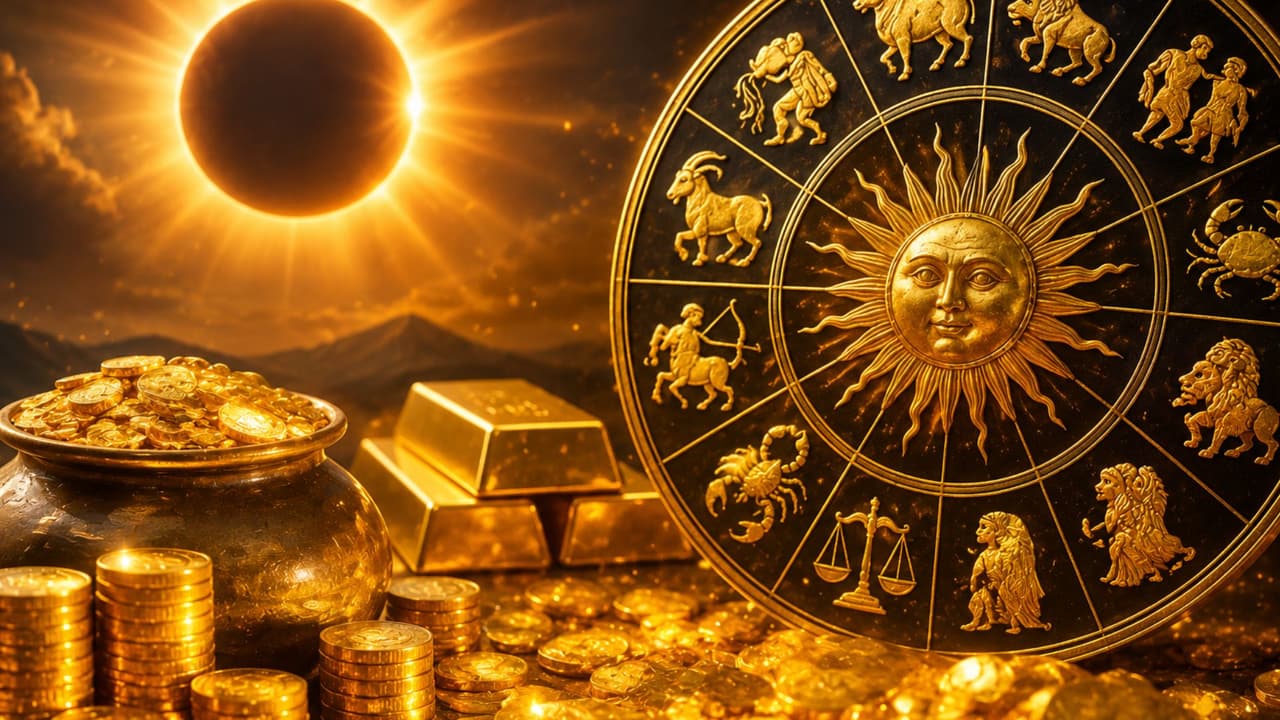
In astrological terms, the eclipse on August 12 takes place in Leo, a sign of the zodiac long associated with confidence, leadership, creativity, and self-expression.
Astrologers see solar eclipses as times of transformation, fresh starts and opportunities to rethink essential aspects of life. Some astrologers say the eclipse might cause people to re-evaluate their goals, relationships and personal values.
Could it lead to Big Change?
Some astrologers think that the effects of an eclipse might last beyond the day of the eclipse. An article from the Hindustan Times on astrology states that the August 2026 eclipse marks the beginning of a lengthier era of transition, and the impacts are understood as occurring throughout the months after the eclipse.
But these are astrological interpretations, not scientifically proven consequences.
Why This Eclipse Is Special
The August 12 event is particularly noteworthy since it will be the first total solar eclipse seen from Earth in 28 months, Timeanddate said. The eclipse also takes place close to the peak of the Perseid meteor shower, another cause for skywatchers to turn their attention to the nite sky in this time frame.