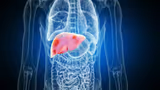
Stomach aches can become more common during monsoon due to food, water and digestive issues. Know the common causes of rainy-season stomach pain and the warning signs that require medical attention.
Stomach and gut infections are very common during the monsoon. But that doesn't mean you should take them lightly. It's super important to be careful right from the start, even if it's just a minor stomach ache or some discomfort.
Why do stomach aches increase?
This season, heavy rains often make the drains overflow. Water gets logged everywhere. This increases the risk of clean water sources getting mixed with dirty water. When you drink or use this untreated water, harmful bacteria, viruses, and parasites can easily enter your body.
Street ,Food
And it's not just about the water at home. Think about the street food vendors. We have no idea what kind of water they are using. If they use contaminated water, that food can completely mess up your stomach. The hot and humid weather is also the perfect breeding ground for bacteria. Germs can grow very quickly on everything from kitchen sponges and utensils to leftover food. This is how you can fall sick.
Related Articles

What are the early signs?
Stomach infections show up in different ways. If you can spot the symptoms early, you can avoid a bigger problem. Sudden nausea or vomiting is the first warning sign. It means your body is trying to throw out harmful toxins. If you feel a constant pain or cramps in your lower stomach, especially after eating, it could be a sign of an infection. Don't just dismiss it as simple indigestion. Frequent loose motions can cause your body to lose water quickly (dehydration). If the diarrhoea lasts for more than two days, you must speak to a doctor.
What could the stomach pain mean?
It could be a symptom of illnesses like food poisoning, constipation, acidity, a stomach ulcer, or even typhoid. The moment you feel something is wrong, go to a doctor. To avoid all these problems, make sure you only drink clean or boiled water. Don't drink water from roadside stalls. Always try to eat fresh and hot food.
When to see a doctor?
In case of abdominal pain that is associated with nausea/vomiting, fever, blood in stool/vomit, diarrhea, signs of dehydration such as no or little urine output or dizziness, unintentional weight loss, you should visit a doctor without any delay. In addition to this, sudden severe abdominal pain should also be checked by a doctor.