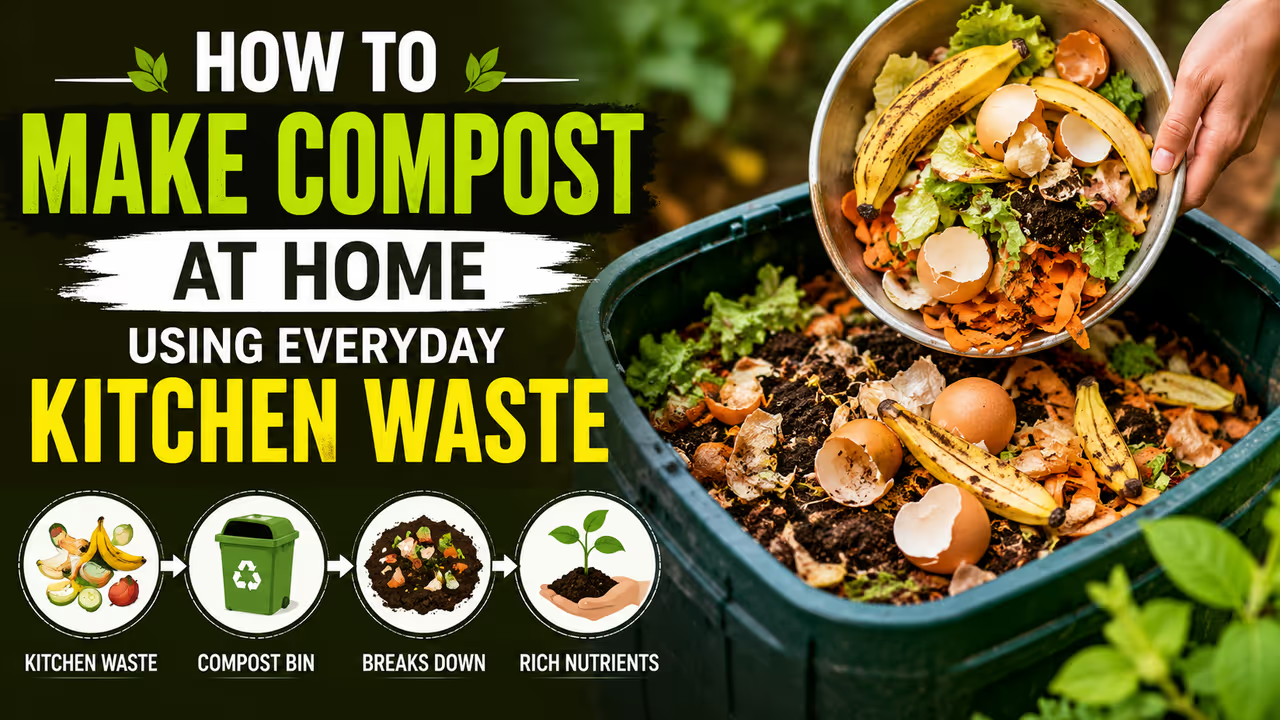
Composting at home is an easy way to turn everyday kitchen waste into nutrient-rich manure. From fruit peels to eggshells, these simple steps can help reduce waste and naturally nourish your plants.
Composting is an easy and eco-friendly way to turn everyday kitchen waste into nutrient-rich manure for your plants. Instead of throwing vegetable peels, fruit scraps and other biodegradable waste into the bin, you can reuse them to make natural compost at home.
What Can You Put In A Compost Bin?
You can use common kitchen waste such as vegetable and fruit peels, leftover raw vegetables, coffee grounds, tea leaves, eggshells and small amounts of cooked food. Dry materials such as fallen leaves, shredded newspaper and cardboard can also be added to maintain the right balance.
However, avoid adding meat, fish, dairy products, oily food and large quantities of cooked food, as these can attract pests and create unpleasant smells.
Related Articles

How To Start Composting At Home
Take a bucket, container or compost bin with small holes for ventilation and drainage. Start by adding a layer of dry material such as dried leaves, shredded cardboard or newspaper. Add a layer of kitchen waste over it and then cover it with another layer of dry material.
Continue alternating between wet kitchen waste and dry material. Keeping these layers balanced helps control moisture, smell and airflow, which are important for healthy decomposition.
Keep The Compost Moist, Not Wet
Your compost should have the moisture level of a wrung-out sponge. If it looks too dry, add a little water. If it becomes too wet or starts smelling bad, add more dry leaves, cardboard or shredded newspaper and mix the contents to improve airflow.
Stirring or turning the compost every few days can also help introduce oxygen and speed up decomposition.
How Long Does Homemade Compost Take?
Depending on the materials, temperature, moisture and airflow, homemade compost can take several weeks to a few months to become ready. The compost is generally ready when it turns dark brown, has a crumbly texture and smells earthy rather than rotten.
Once ready, you can mix a small amount into garden soil or add it around plants as a natural source of nutrients.
Why Make Compost At Home?
Home composting reduces the amount of biodegradable waste sent to landfills while giving you a natural alternative to chemical fertilisers. It can also improve soil structure and help the soil retain moisture.
With just a container and everyday kitchen waste, even people living in apartments can start a small composting setup and give their plants a useful dose of homemade nutrition.