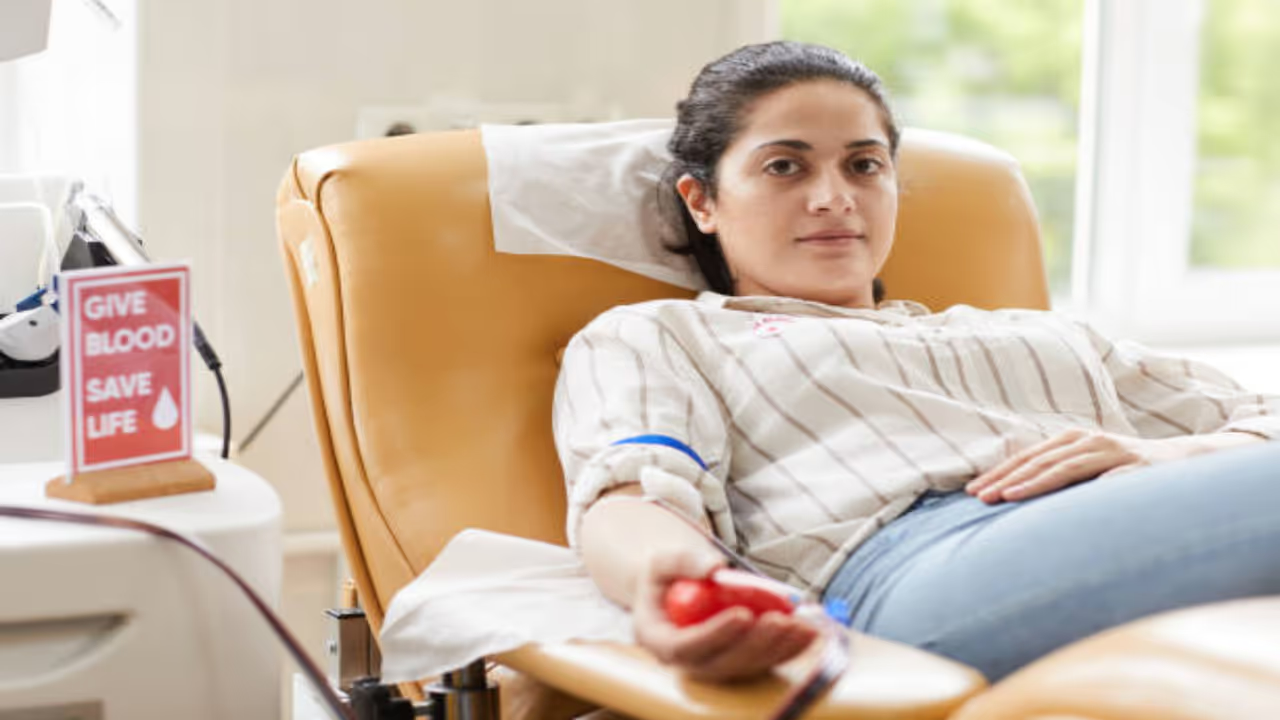
Thousands of individuals worldwide await rebirth every day. Transplants allow those with end-stage renal failure or heart or lung failure extra time with their families.
Every life can be affected by one decision. When people pledge to give away organs, eyes, tissues, blood or bone marrow, it is more than just a medical decision; it is a true humanitarian act. Thousands of people around the world are waiting each day for a second chance at life. If someone has reached the end stages of kidney failure or needs a heart or lung transplant, a transplant will give them more time to spend with their family.
If a person has lost their sight due to an accident or illness, the donation of their eyes will enable them to see again. If a person is injured in an accident or burns badly, the donation of tissue can help to provide them with new tissue to replace what was lost. If someone who has cancer or a blood disorder receives a bone marrow or blood donation, it could save their life.
While medical technology has made great advances, there is still a considerable disparity in the number of people needing transplants and the number of actual living donors who donate their organs. Too many individuals die because they have not received a donation in time to save their life. Making the commitment to donate will help to create hope for those people who are uncertain about whether they will ever live to see another day and will provide a legacy of life from those who have lost a family member.
Related Articles

The act of giving, or donating, makes no impact on the individual(s) but instead helps to create greater impacts. One donation can improve or save many lives through your donation. When you put in the effort to make your donation decision today, as well as encourage your family members to engage in an ongoing dialogue about donation, you will help build a culture of compassion, accountability and empathy for human beings. This type of culture will ultimately result in a more equitable society overall.
-Dr. Manas Ranjan Pradhan, Senior Consultant Urbology, Manipal Hospital, Bhubaneshwar