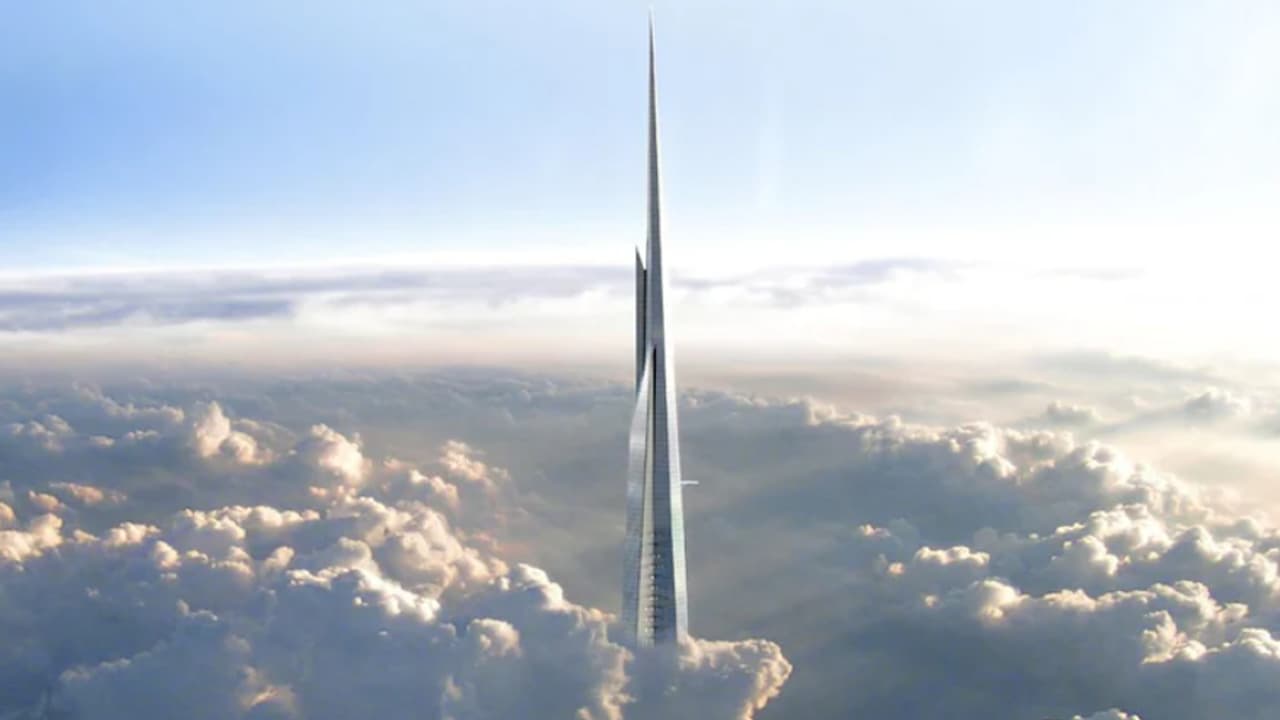
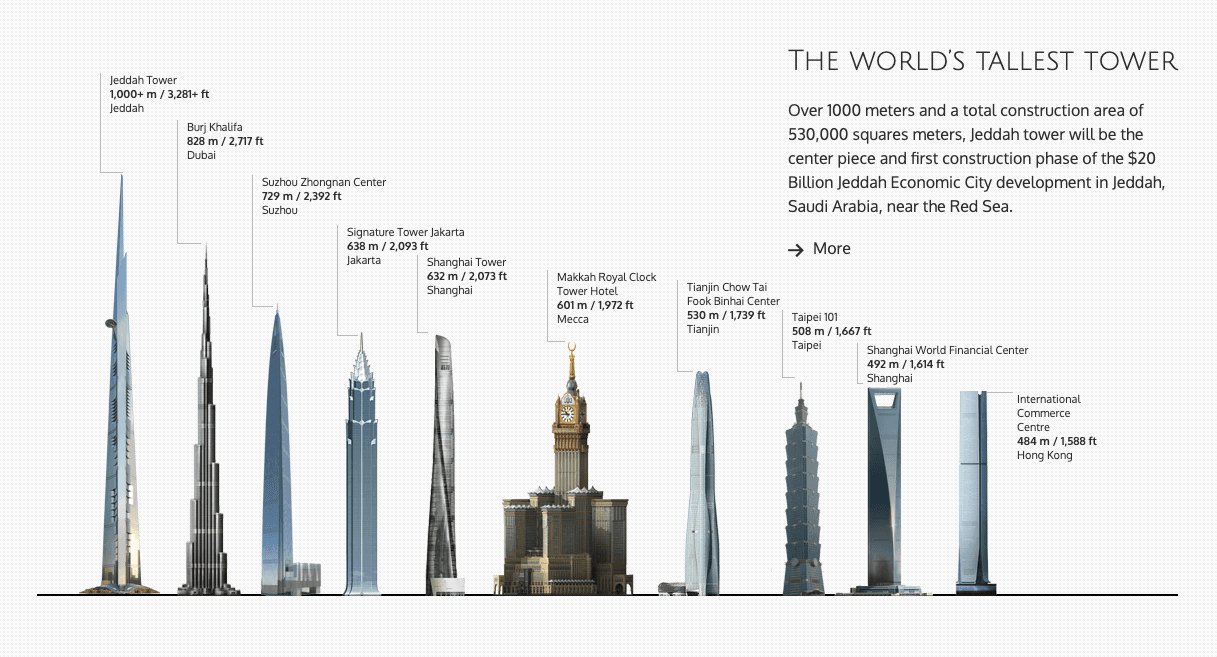
Jeddah Tower in Saudi Arabia is set to become the world's tallest building, exceeding 1,000 meters. The mixed-use skyscraper is designed as a "vertical city," featuring a luxury hotel, residences, offices, and retail.
Jeddah Tower, set to redefine the limits of modern skyscrapers, is rapidly rising on the Red Sea coast in Saudi Arabia’s Jeddah Economic City and is planned to become the tallest building in the world, surpassing Dubai’s Burj Khalifa by a significant margin. The ambitious megastructure is designed to exceed 1,000 metres in height and will serve as a landmark for engineering innovation, luxury living, and mixed-use urban life.
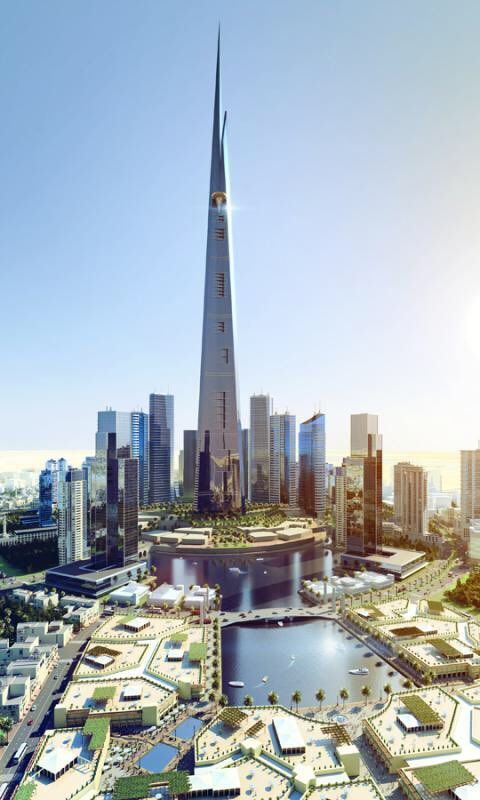
The tower’s design reflects painstaking architectural and environmental considerations. Its aerodynamic, tapering form, inspired by desert plant structures, helps reduce wind loads and manage the challenging climate of Jeddah’s heat and winds. The overall architectural and engineering work involves heavyweight firms, including Adrian Smith + Gordon Gill Architecture, with support from structural engineering specialists.
Related Articles

Once complete, Jeddah Tower will function as a “vertical city” — a self-contained ecosystem of luxury, business and residential spaces stacked into the sky. Spread over more than 160 floors, the tower will house a range of high-end amenities: a five-star hotel (reportedly a Four Seasons) with around 180–200 rooms, serviced apartments for long-stay guests and a range of private residential units including luxury apartments and penthouses.
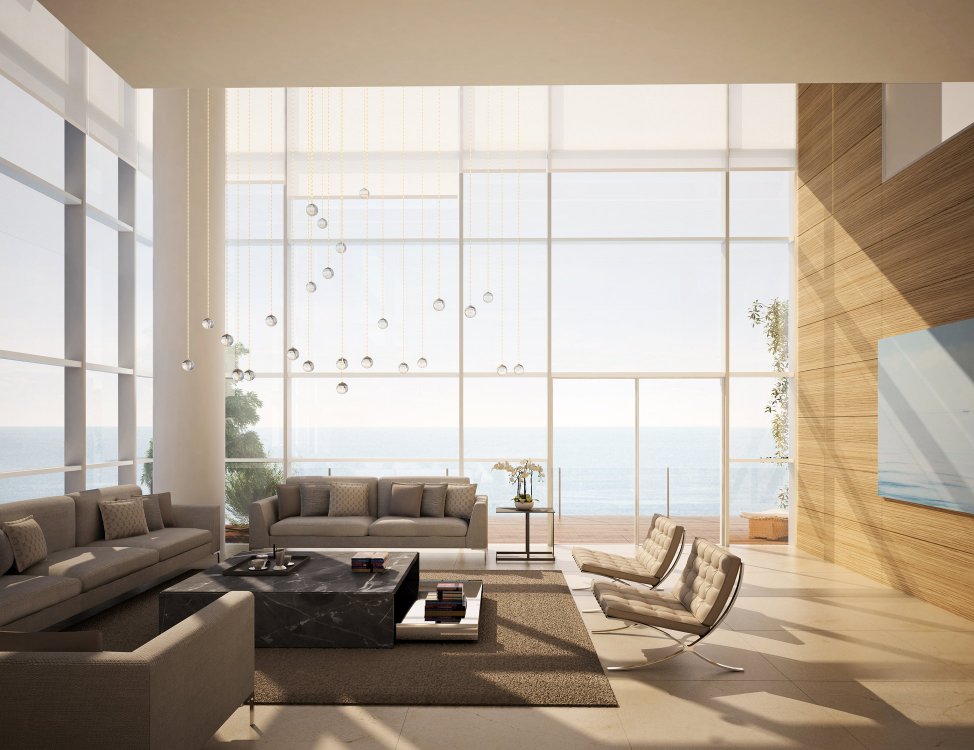
Beyond hospitality and homes, the building is being designed to accommodate premium office spaces, retail outlets, cafes and restaurants, all wrapped within a multi-level podium at its base. Wellness and leisure facilities will be strategically dispersed across different levels, including gyms, spa areas, swimming pools and sky lobbies with panoramic views of the city and the Red Sea.
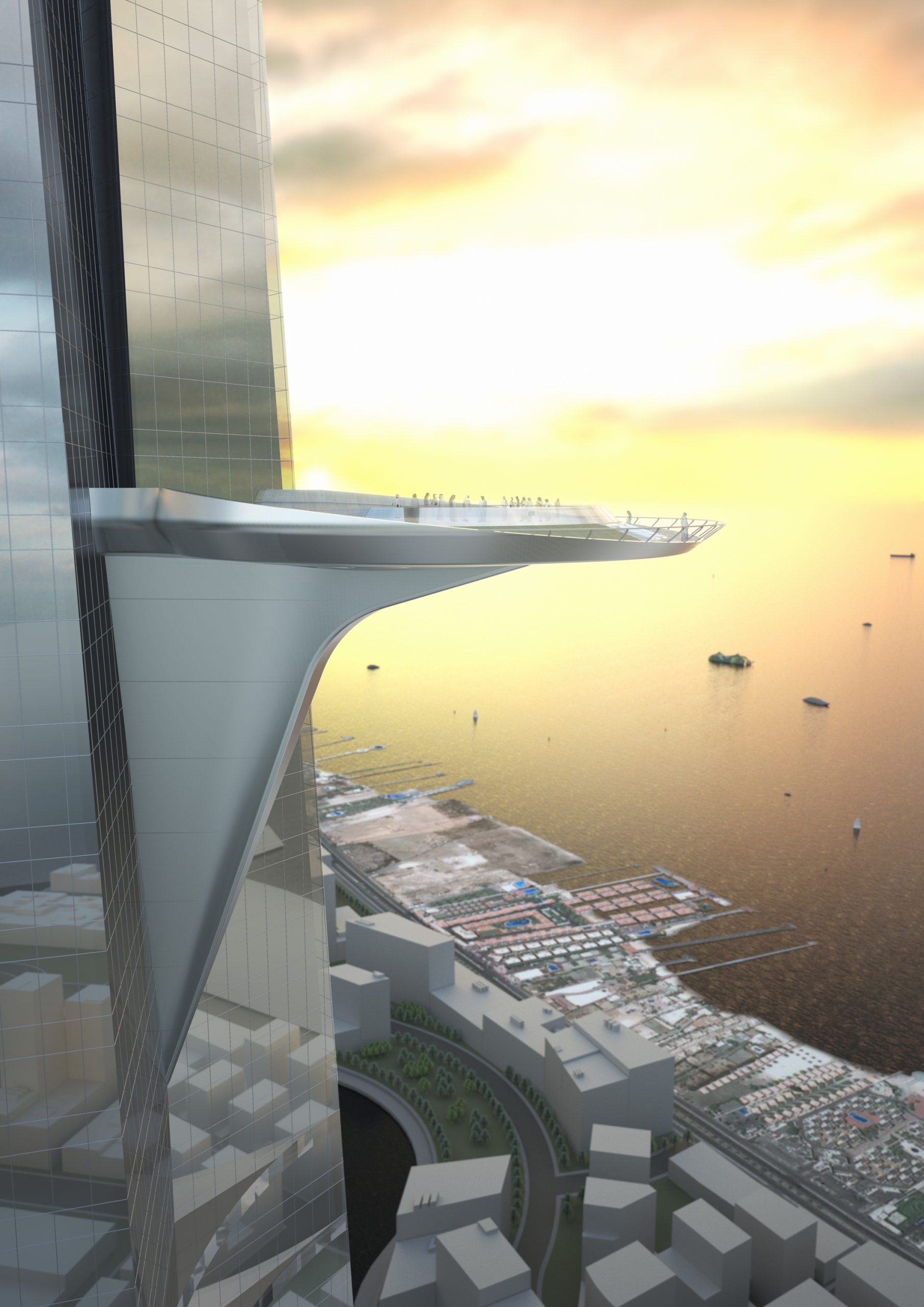
One of the tower’s most anticipated attractions is its high-altitude observation deck, expected at around 630 metres above ground — potentially the world’s highest public viewing platform. Adjacent to this is a dramatic outdoor sky terrace, originally meant as a helipad, now reimagined as a leisure space offering unparalleled vistas and experiences.
To support the flow of people across this monumental structure, Jeddah Tower will use around 56–59 high-speed elevators, some double-decked, capable of travelling at speeds of up to 10–12 metres per second. These lift systems, along with advanced building management systems, fire safety refuges and smart environmental controls, are critical to the tower’s function as a habitable, vertical community.
Construction, resumed in early 2025 after historic pauses, has already shown rapid progress — with a new floor added every few days — and the project is targeting completion around 2028. Once finished, Jeddah Tower will not just be an architectural record-breaker but a symbol of Saudi Arabia’s ambitions under its Vision 2030 development plan.