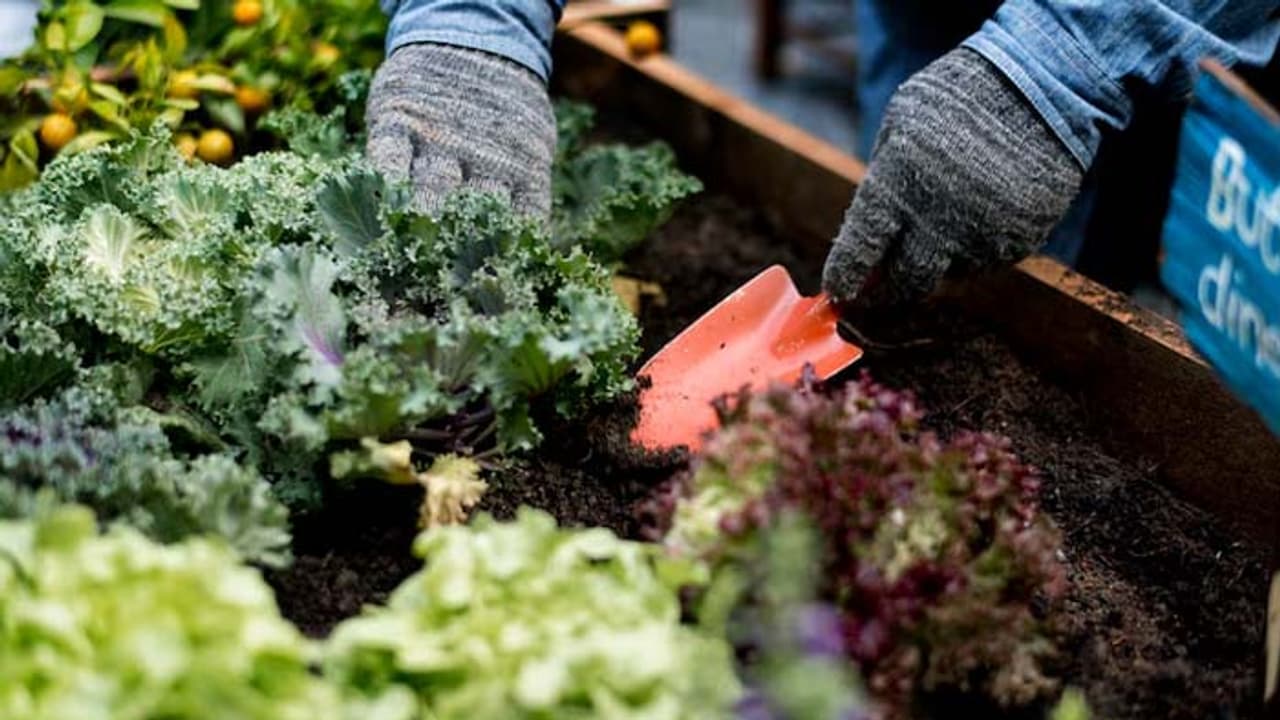
Companion planting is a strategic gardening method where certain plants are grown together to enhance growth, improve soil health, and naturally repel pests for a thriving garden.
Companion planting is a method in gardening where certain plants are grown together to help each other grow naturally. Plants repel others, and some provide added soil nutrition or act as shade-producers—turning a healthier, more prolific garden.
What is Companion Planting?
Companion planting is the act of planting together based on their advantage to each other. It helps in enhancing growth, taste, pest resistance, and soil nutrition. Companion planting should be done by organic farmers and gardeners to minimize the use of chemical pesticides and fertilizers.
Which Plants Grow Together?
1. Tomatoes & Basil
Related Articles

Basil enhances the growth and flavor of tomatoes and repels pests such as aphids and whiteflies.
2. Carrots & Onions
Onions keep carrot flies away, keeping carrots healthy to mature without infestation.
3. Corn, Beans & Squash (Three Sisters)
This has been a long-standing Native American tradition that promotes each plant:
Corn provides a trellis for climbing beans.
Beans fix nitrogen in the soil, which enriches it.
Squash radiates out to smother weeds and retain soil moisture.
4. Roses & Garlic
Garlic keeps aphids and fungi from infecting roses, healthy and pest-free roses.
5. Lettuce & Radishes
Radishes grow fast and open up the soil, enabling roots of lettuce to develop effortlessly.
6. Nasturtiums & Cucumbers
Nasturtiums naturally deter beetles from harming cucumber crops.
7. Spinach & Strawberries
Spinach covers the ground, preventing weeds, and maintains strawberries at the right moisture levels.
Why Companion Planting Works?
Pest Control: Certain plants naturally repel harmful insects.
Improved Growth: Certain plants emit good nutrients into the soil.
Maximized Space: Plants that develop in various manners can be planted in combination.
Enhanced Soil Health: Certain plants fix important nutrients into the soil.