To promote environmental responsibility and reduce waste, upcycling has emerged as a compelling practice to repurpose discarded items creatively. Here are some practical and innovative ways to do upcycling- By Leona Merlin Antony
In a world increasingly concerned with environmental preservation and sustainable practices, the concept of upcycling has gained tremendous popularity. Upcycling is the process of giving anything that is no longer in use a new purpose and a second chance at life. By doing this, the final product frequently improves upon what it was in terms of usefulness, worth, and aesthetic appeal.
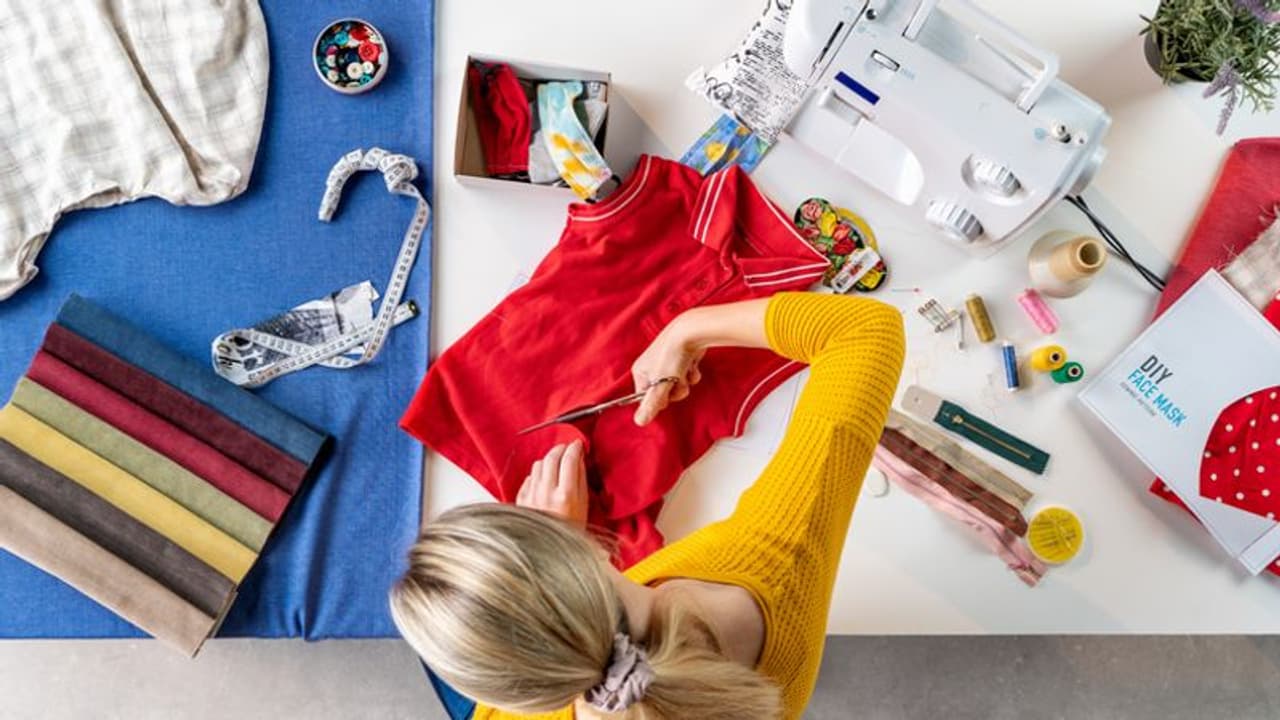
Refresh Old Clothes : Refreshing old clothes is a great method to give your wardrobe new vitality. Get inventive by repurposing worn-out trousers into chic denim shorts or old t-shirts into contemporary crop tops. This helps in reducing textile waste which is a growing concern in today's economy.
Crafting with recycled resources : Use recycled resources to unleash your creativity. Create wall art from recycled wood or use glass jars as rustic candle holders. Reusing things that might otherwise go to landfills helps to create a more accommodating mindset towards used things.
Upcycle Plastic Containers: Practical storage options can be created from plastic containers. To store tiny goods like kitchen spices or office supplies, use clean, decorative plastic jars. Plastic upcycling minimizes single-use plastic waste and lessens the harm it causes to the environment.
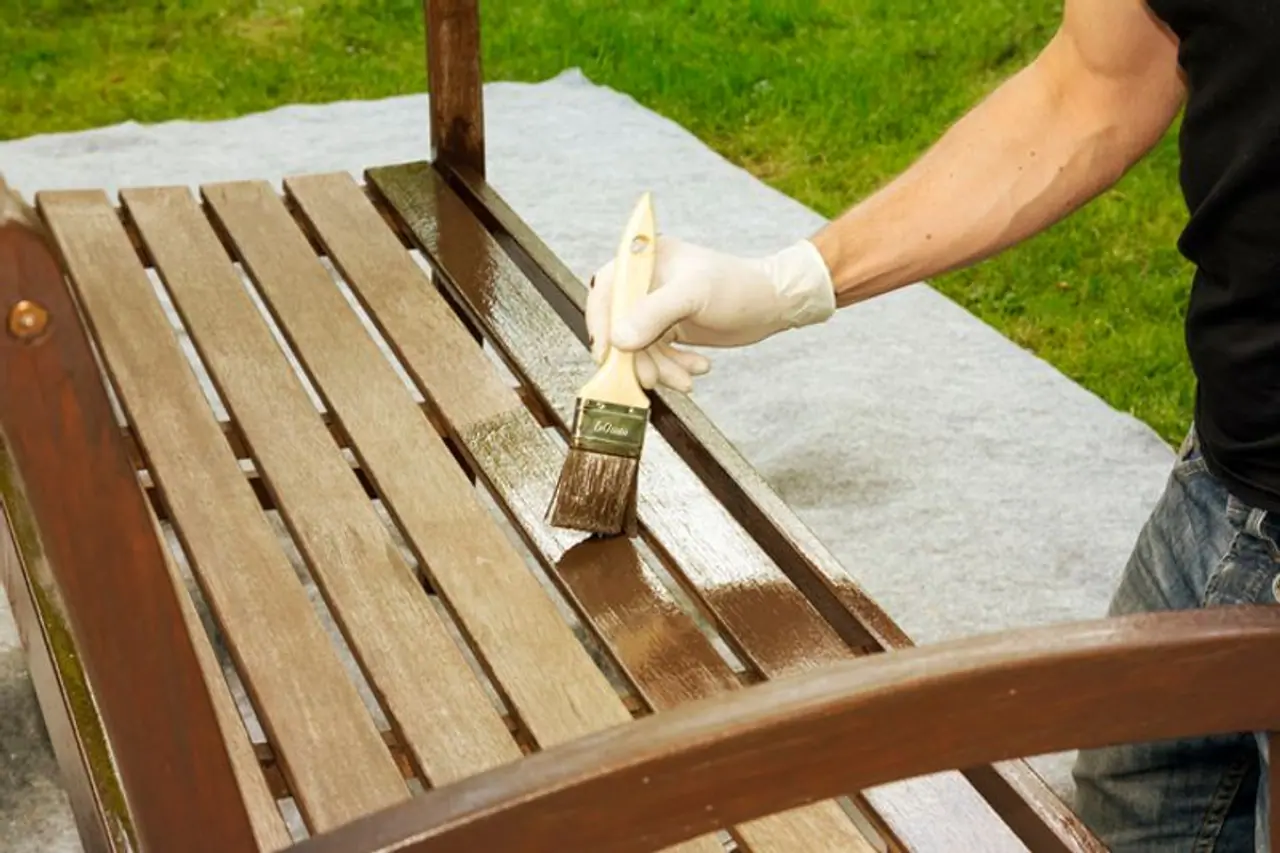
DIY Furniture Makeover: Instead of throwing out outdated furniture, think about giving it a DIY facelift. Old, worn-out pieces can be refinished, painted, or reupholstered to produce beautiful, one-of-a-kind furniture that matches your interior design. In addition to reducing trash, upcycling furniture gives your home a unique touch.
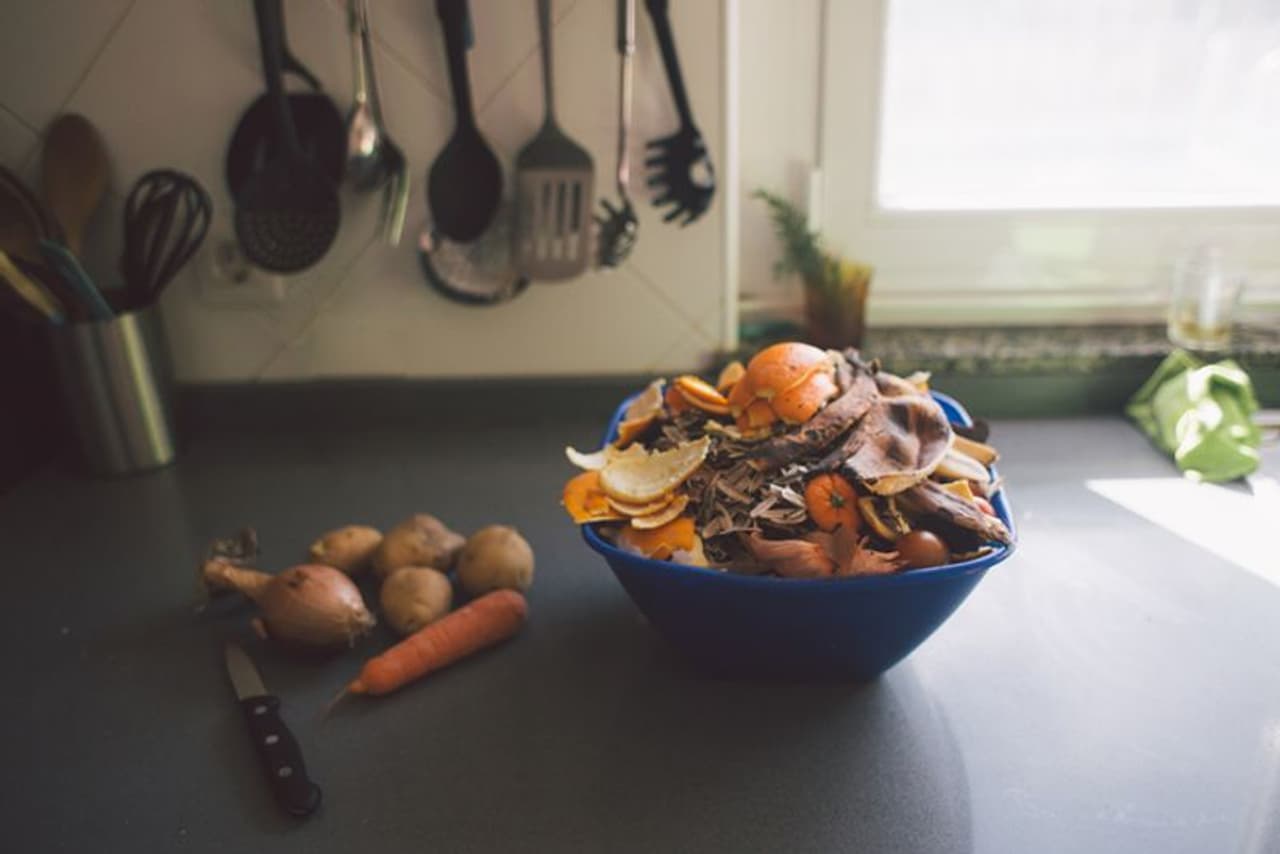
Turn Scraps into Compost: Your kitchen can benefit from upcycling as well. Create nutrient-rich compost for your garden out of kitchen wastes like fruit peels and vegetable trimmings. Composting limits the amount of organic waste dumped in dumps, and the resulting compost improves soil and encourages environmentally friendly gardening techniques.
Make Plastic Bricks: The small plastic pieces like the topmost side of a chips packet or a milk cover usually gets lost in our soil even while trying to recycle. These microplastics can be filled up inside a bottle and send to organisations which make bricks out of it. It is a very healthy practice which will lead to better management of plastic waste.