
Pregnancy-like symptoms can occur due to hormonal imbalance, stress or conditions like PCOS—even with a negative test. Experts explain why.
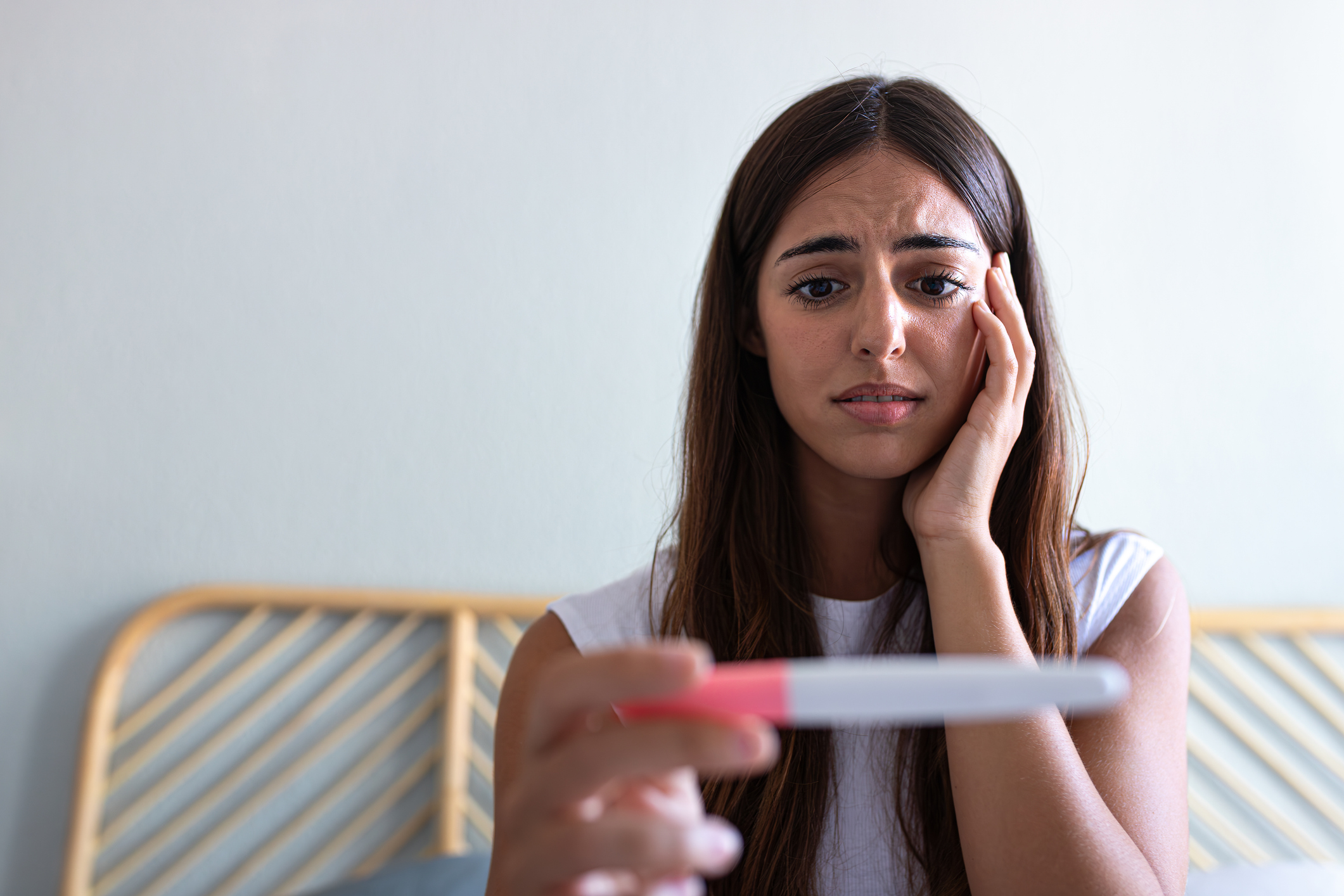
Pregnancy-related symptoms such as nausea, breast tenderness, bloating, fatigue, or even mood changes, are not only specific to pregnancy. They can also be seen in cases of hormonal disturbances, at different levels and for women in different stages of their life. For example, a woman who is not planning for her pregnancy will get worried if she sees these pregnancy-related symptoms.
Similarly, a woman who is planning for her pregnancy will be more worried if she sees these pregnancy-related symptoms, but the urine pregnancy test is negative despite having a missed cycle of period.
Related Articles

It is very important for women going through any of the above scenario to understand why it is happening. The first thing we need to understand here is how our brain, hormones, and body are connected and should not be seen separately. For instance, chronic stress, anxiety, or an intense desire or fear of pregnancy can disrupt this axis, resulting in missed periods, breast changes, abdominal distension, nausea, or changes in appetite. These symptoms can closely resemble those of pregnancy, even though there is no actual pregnancy. Common conditions that may mimic pregnancy include PCOS, thyroid dysfunction, elevated prolactin levels (especially during perimenopause), functional ovarian cysts, and a condition known as pseudocyesis, in which a woman experiences a false pregnancy.
A negative pregnancy test does not mean the conversation ends there. It is important to recognize why these symptoms are occurring and why they may be heightened. Such symptoms require proper evaluation and explanation, as this is the only way to determine how they can be corrected.

Depending on whether a woman desires pregnancy or not, she may either seek help promptly or hesitate to do so. This delay can worsen hormonal imbalance, increase anxiety, and lead to a delayed diagnosis. Therefore, it is essential to consult a gynaecologist whenever something feels off with the menstrual cycle and the urine pregnancy test is negative.
Further hormonal evaluation, an ultrasound, and a detailed discussion of bodily changes are often needed. This holistic approach helps address situations where pregnancy-like symptoms are present despite the absence of an actual pregnancy.
-Inputs by Dr. Shruthi Kalagara, Consultant - Obstetrician and Gynecologist, Motherhood Hospitals, Sarjapur, Bangalore