
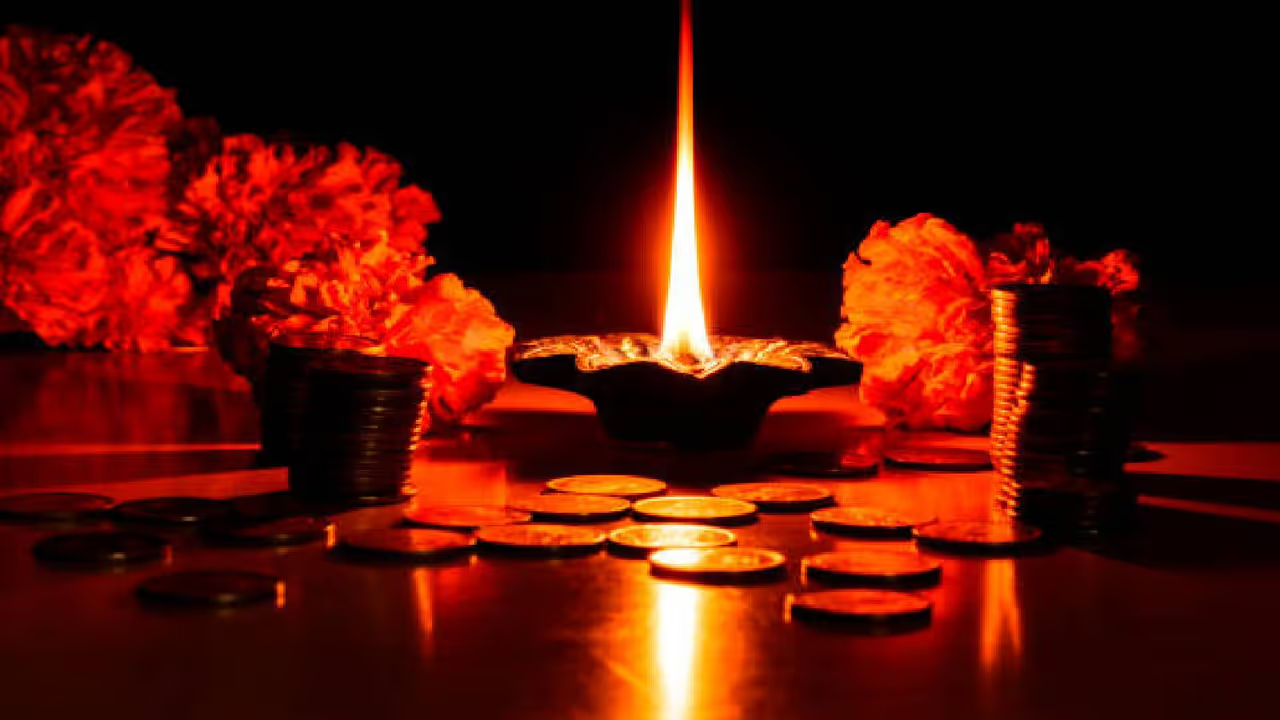
Dhanteras 2026 will be celebrated on November 6. Devotees worship Goddess Lakshmi, Lord Dhanvantari and Lord Kubera, buy gold and silver, clean their homes, perform evening puja and light diyas for prosperity and good health.
Dhanteras, 2026 Date
Dhanteras, also known as Dhantrayodashi, marks the beginning of the five-day Diwali festival. In 2026, the festival will be observed on Friday, November 6. It falls on the Trayodashi Tithi of Krishna Paksha in the Hindu month of Kartik and is considered an auspicious occasion for welcoming prosperity, wealth and good health.
The festival holds religious significance as it is associated with Lord Dhanvantari, the Hindu god of Ayurveda and medicine, who is believed to have emerged from the ocean during the Samudra Manthan carrying a pot of amrit (nectar of immortality). Goddess Lakshmi and Lord Kubera are also worshipped on this day for wealth and prosperity.
One of the most popular Dhanteras traditions is purchasing gold, silver, utensils and other metal objects, as buying these items is believed to bring good fortune. Devotees also clean and decorate their homes with rangoli, flowers and diyas before performing the evening Lakshmi Puja.
Dhanteras 2026 Puja Muhurat
According to Drik Panchang, the Dhanteras Puja Muhurat in Thane on November 6 will be from 6:34 PM to 8:34 PM. The Trayodashi Tithi will begin at 10:30 AM on November 6 and end at 10:47 AM on November 7. The timings may differ across cities.
Dhanteras Puja Samagri
The commonly used puja samagri includes idols or pictures of Goddess Lakshmi, Lord Ganesha, Lord Dhanvantari and Lord Kubera, a puja thali, diya, cotton wicks, ghee or oil, incense sticks, camphor, flowers, kumkum, turmeric, rice, sandalwood paste, fruits, sweets, betel leaves, betel nuts and a kalash filled with water. Gold, silver coins or newly purchased utensils may also be placed during the puja.
Dhanteras Rituals
Devotees begin by cleaning their homes and decorating entrances with rangoli and flowers. During the evening puja, prayers and offerings are made to the deities, followed by aarti. Another important tradition is Yama Deepam, where an oil lamp is lit outside the house, usually facing south, to pray for protection from untimely death and the well-being of family members.




