Too busy to water plants every day? These indoor plants thrive with little water, improve air quality, and bring calm to your home—perfect for beginners and busy lifestyles.
Growing plants at home does more than beautify your living space—it creates a calm, positive environment and is known to reduce stress and improve mental well-being. However, not everyone has the time to care for plants that need daily attention and frequent watering.
If a busy schedule often leaves you forgetting to water your plants, choosing drought-tolerant indoor plants can be the perfect solution. These plants store water efficiently, require minimal care, and continue to thrive even when watering is occasional.
Here are some indoor plants that grow well with very little water, making them ideal for beginners and busy households.
Related Articles

Aloe Vera: A Plant With Beauty and Benefits
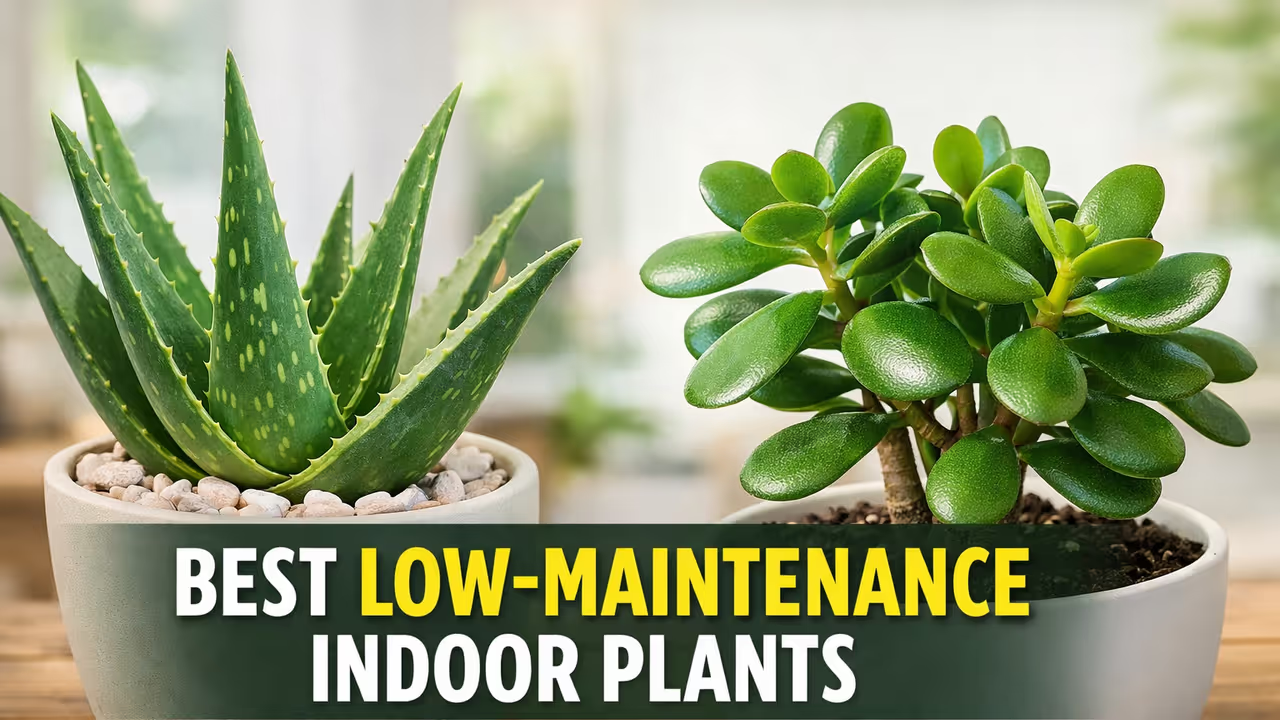
Aloe vera is one of the most popular indoor plants, valued not only for its appearance but also for its numerous health benefits. The gel inside its thick leaves is widely used to promote hair growth, soothe burns, and improve skin health.
Aloe vera stores water in its fleshy leaves, which allows it to survive long periods without watering. Overwatering can actually harm the plant, so it’s best to water only when the soil feels completely dry. The plant prefers bright, indirect sunlight and grows well near windows with filtered light.
Care tip: Use well-draining soil and avoid letting water collect at the base of the pot.
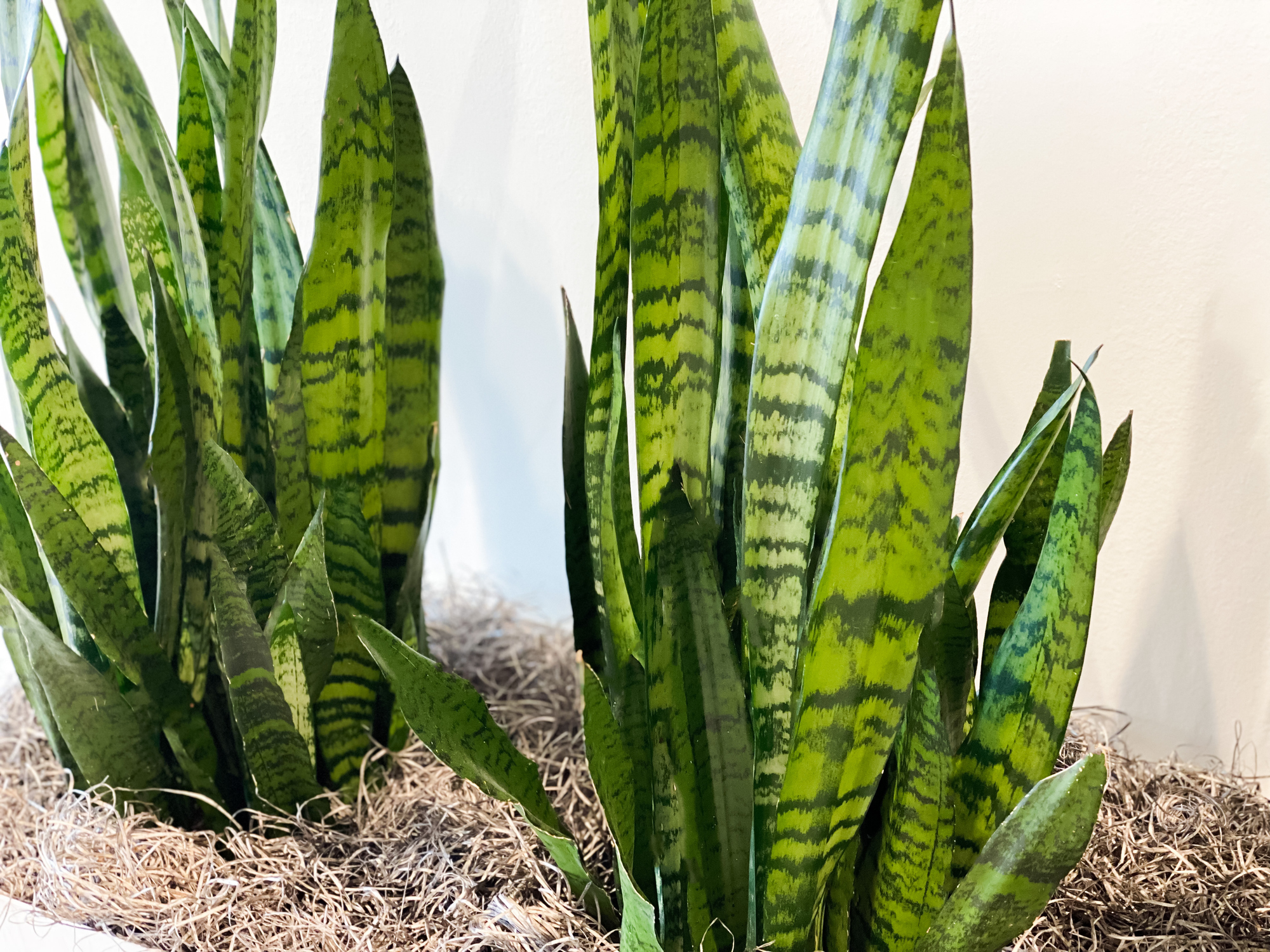
Snake Plant: Almost Impossible to Kill
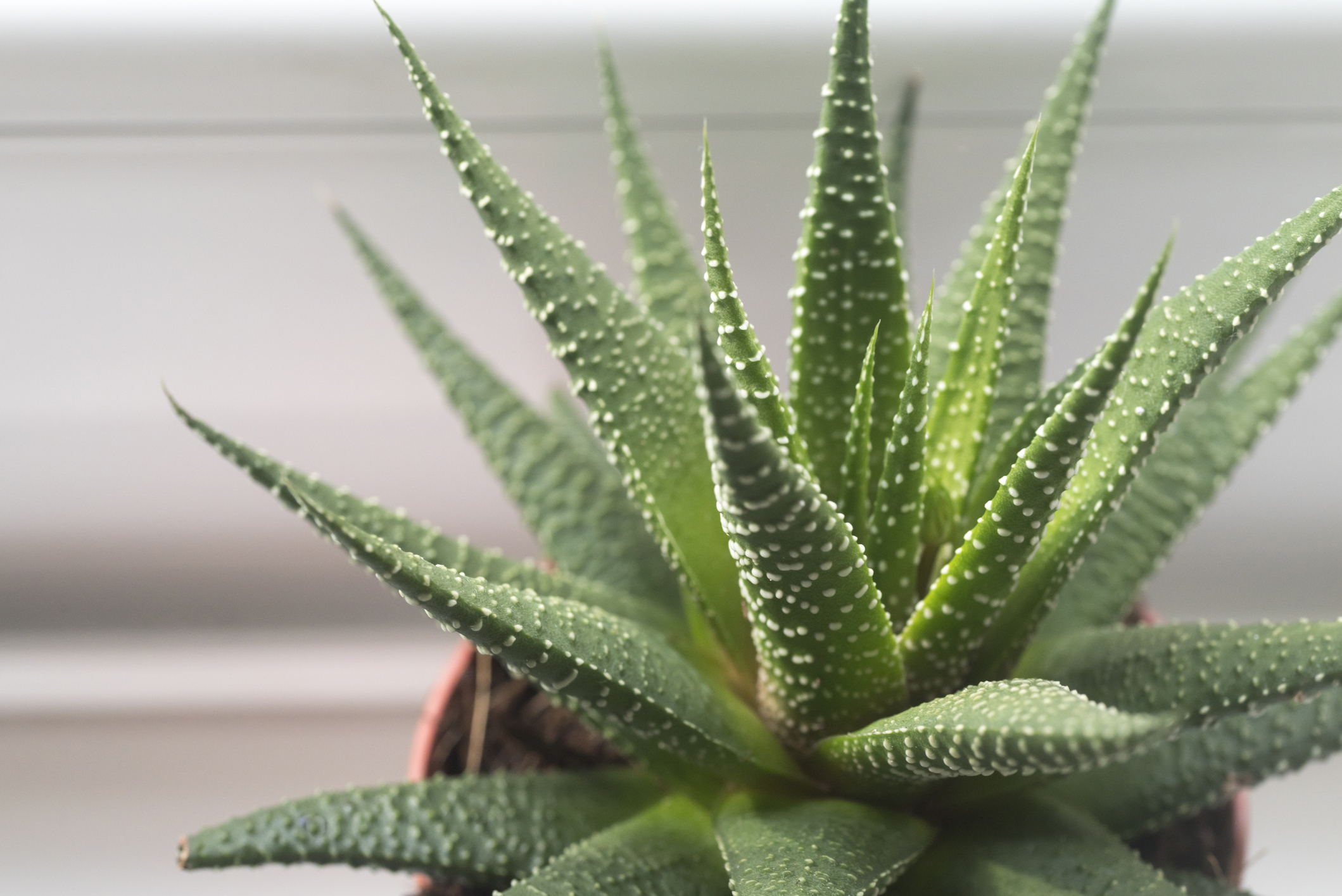
The snake plant, also known as mother-in-law’s tongue, is one of the most low-maintenance houseplants available. It adapts easily to a wide range of conditions, including low light and irregular watering.
Its long, upright leaves store water, allowing the plant to survive weeks without watering. Even if the soil dries out completely, the snake plant remains resilient.
In addition to being easy to care for, the snake plant is also known for improving indoor air quality by removing toxins.
Care tip: Water sparingly and place it in indirect sunlight, though it can tolerate low-light areas.
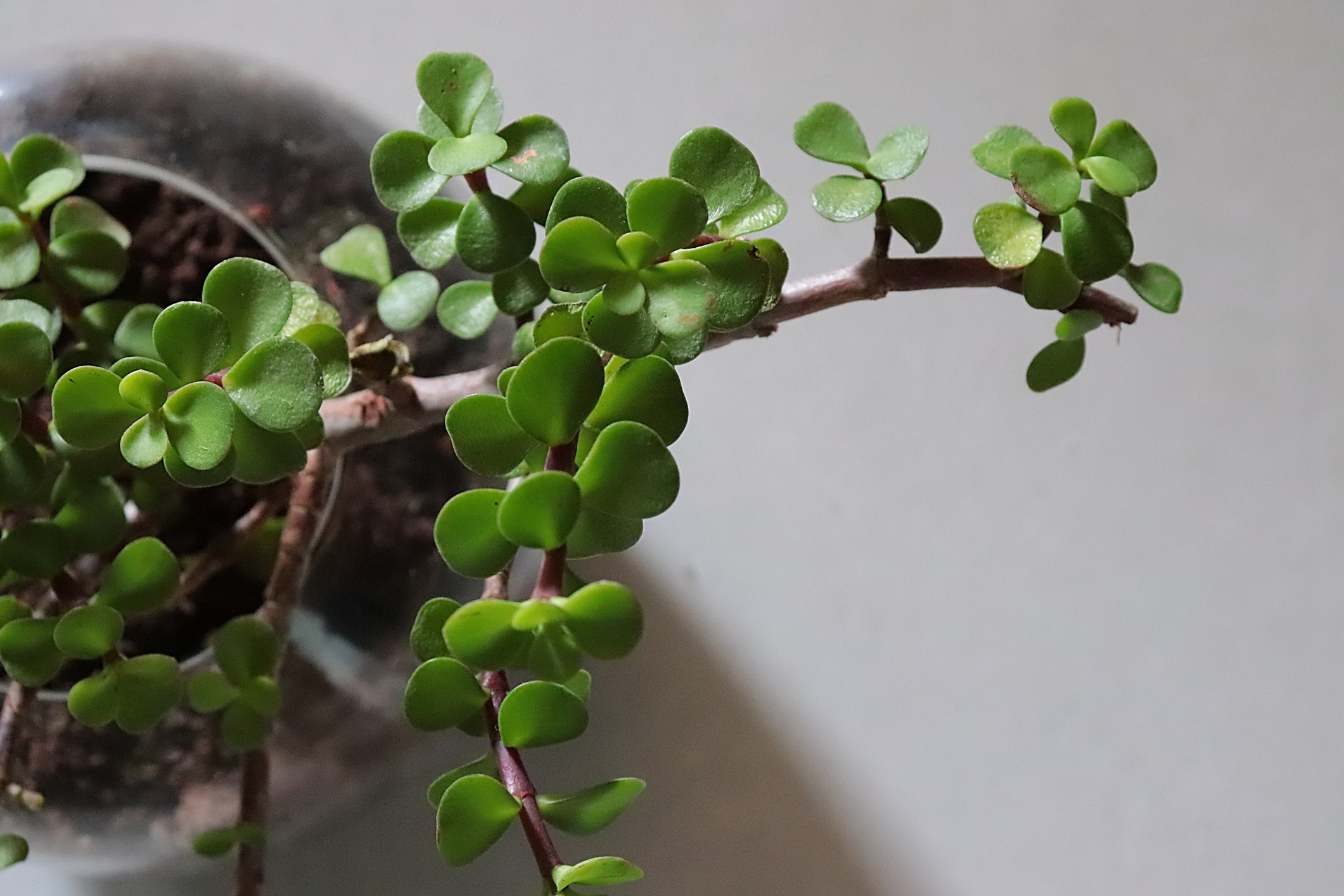
Jade Plant: A Symbol of Prosperity
The jade plant is a popular indoor plant, often associated with good luck and prosperity. Its thick, round leaves store water, making it highly drought-tolerant.
This plant grows well in warm conditions and does not require frequent watering. In fact, watering should be done only when the soil is fully dry. Excess water can cause root rot.
The jade plant prefers bright light and can even tolerate some direct sunlight, making it suitable for windowsills.
Care tip: Use a shallow pot with good drainage to prevent waterlogging.
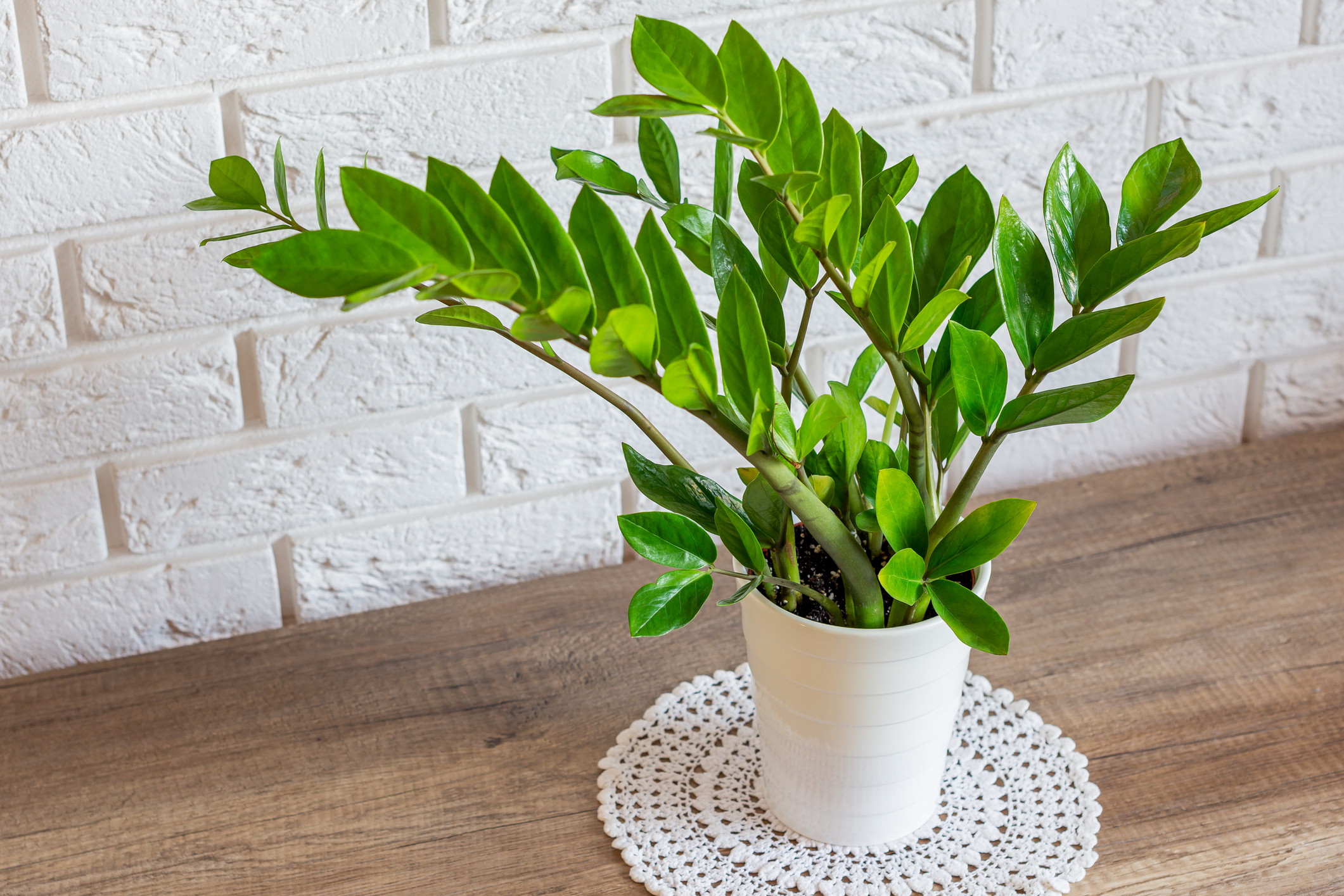
ZZ Plant: Perfect for Low-Light Homes
The ZZ plant is an excellent choice for indoor spaces with limited sunlight. Known for its glossy, dark green leaves, it adds elegance to any room while requiring very little care.
The plant stores water in its roots and stems, allowing it to survive for many days without watering. It grows slowly but steadily and is highly tolerant of neglect.
Because of its ability to thrive in low light and dry soil, the ZZ plant is ideal for offices and apartments.
Care tip: Water once every two to three weeks and avoid placing it in direct sunlight.
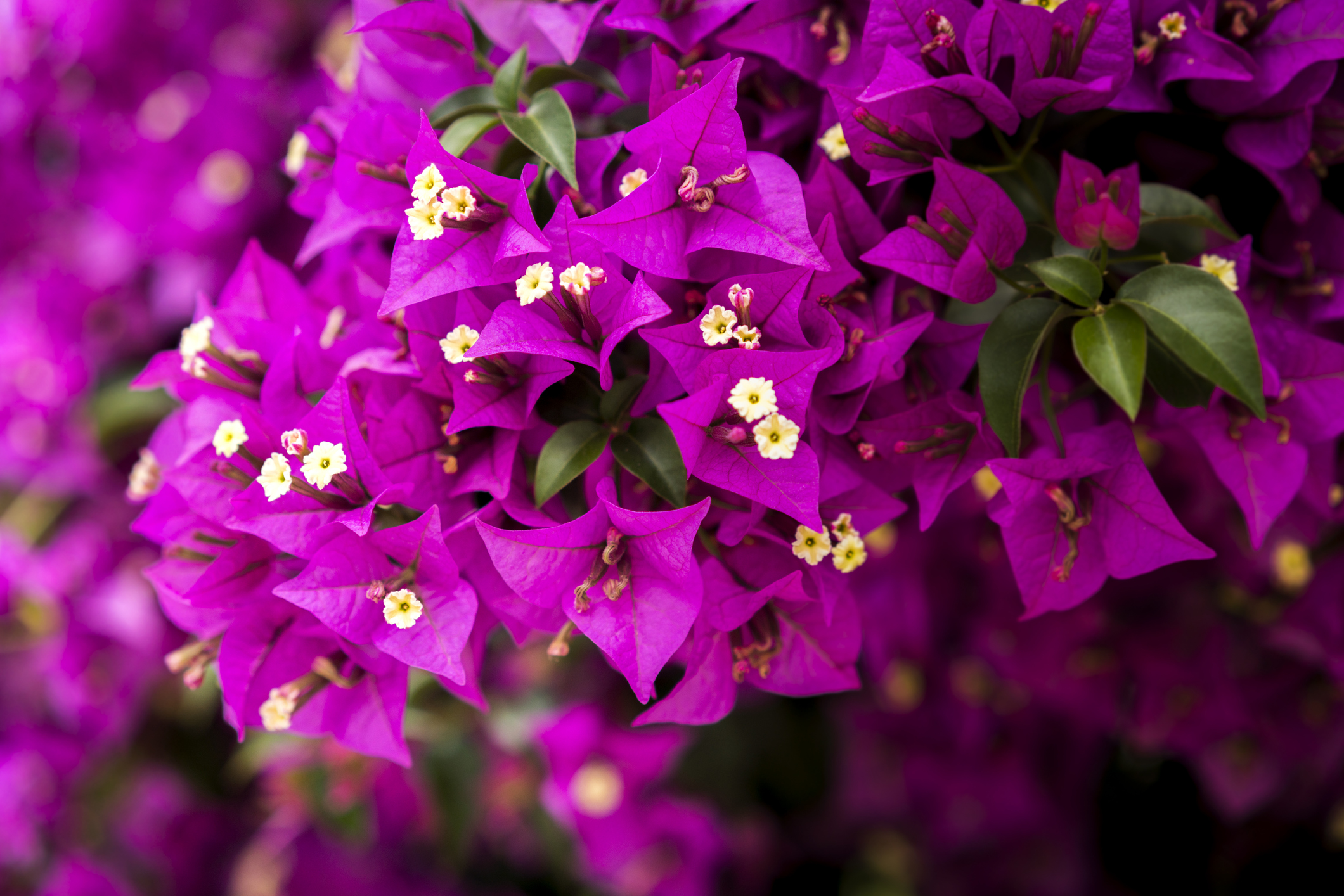
Bougainvillea: A Splash of Colour Indoors
Bougainvillea is best known for its vibrant flowers and is often seen growing outdoors. However, it can also be grown indoors if provided with sufficient sunlight.
This plant is drought-resistant and can go for several days without water. In fact, bougainvillea flowers better when watered sparingly. Unlike other plants on this list, it requires direct sunlight to thrive and bloom.
Care tip: Place the plant near a sunny window or balcony and water only when the soil is dry.
Why Choose Low-Water Indoor Plants?
Low-water plants are ideal for people with busy lifestyles, frequent travelers, or beginners in gardening. They reduce the stress of daily care while still offering the benefits of greenery, cleaner air, and a peaceful home environment.
By choosing plants that naturally conserve water, you not only save time but also create a sustainable and relaxing indoor space that thrives with minimal effort.