
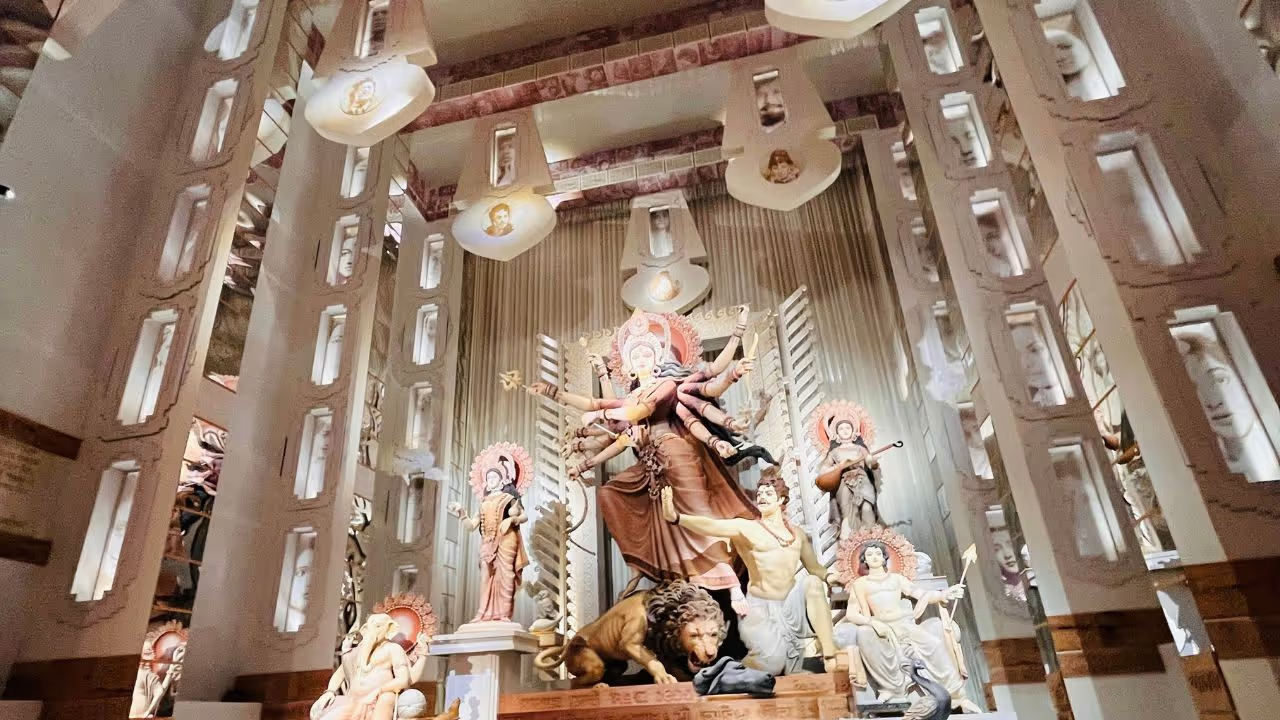
Maha Navami 2026 will be celebrated on October 19. Discover the puja vidhi, auspicious muhurat, Kanya Pujan rituals, havan traditions and fasting rules observed to worship Maa Siddhidhatri and seek Goddess Durga's blessings for prosperity.
Maha Navami is one of the most auspicious days of Sharadiya Navratri, dedicated to the worship of Goddess Durga and her divine power. Observed on the ninth day of Navratri, the festival marks the culmination of nine days of prayers, fasting and devotion. In 2026, Maha Navami falls on Monday, October 19, according to the commonly followed Navratri calendar. Devotees worship Maa Siddhidhatri, the ninth form of Goddess Durga, and seek blessings for wisdom, prosperity, happiness and spiritual growth.
Durga Puja 2026: 13 Iconic Pandals to Visit Across India This Festive Season!
Maha Navami 2026 Muhurat and Tithi
According to the Hindu Panchang, the Navami Tithi begins at 10:51 am on October 19 and ends at 12:50 pm on October 20, 2026, in New Delhi. The observance of Maha Navami may vary depending on regional customs and the traditional calendar followed by devotees. Those planning their puja should check the local Panchang for the appropriate timings.
Navratri 2026: 15 Budget-Friendly Gifting Ideas To Make Your Loved Ones Feel Special!
Maha Navami Puja Vidhi
Devotees typically begin the day by waking up early, taking a bath and wearing clean clothes. The puja area is cleaned and decorated, and an image or idol of Goddess Durga is placed for worship. Devotees offer flowers, fruits, incense, sweets and other traditional offerings while lighting a diya.
Prayers and mantras dedicated to Maa Siddhidhatri are recited, followed by aarti. Many devotees also perform Durga Saptashati recitations and seek the goddess's blessings for strength, success and well-being.
Kanya Pujan Ritual
Kanya Pujan, also known as Kanjak Puja, is an important Maha Navami tradition. Young girls are worshipped as manifestations of the divine feminine. Devotees wash their feet, apply a tilak and offer them a traditional meal, commonly including puri, kala chana and halwa. Gifts or monetary offerings may also be given as a gesture of respect and devotion.
Havan and Fasting Rituals
Many devotees perform a havan to conclude their Navratri prayers, offering sacred materials into the fire while chanting mantras. Some observe a fast throughout Navratri and break it after completing their puja and Kanya Pujan, according to family traditions.
Maha Navami represents faith, courage and the victory of good over evil. Devotees celebrate the occasion with prayers and rituals, seeking divine blessings for a peaceful and prosperous life.
