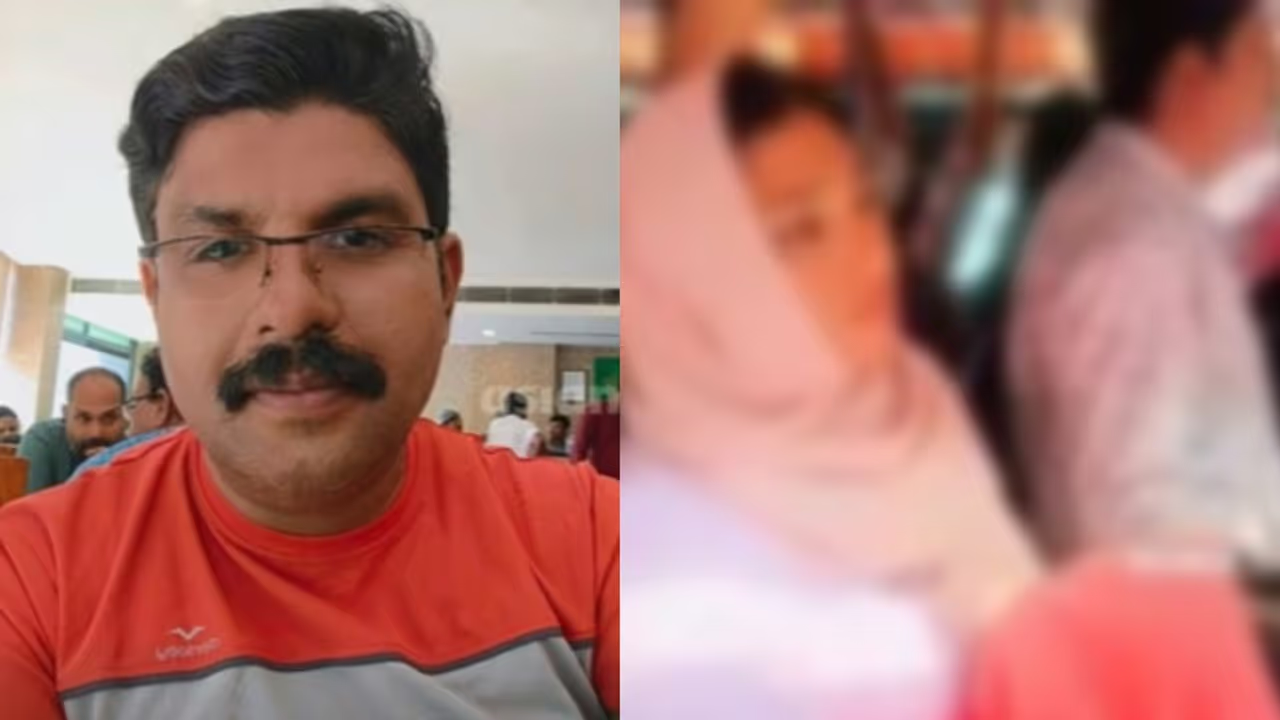
Kerala police arrested social media influencer Shimjitha Musthafa for abetment to suicide. Her arrest followed the death of U Deepak, whom she accused of sexual harassment in a viral video filmed on a bus.
Kerala police have arrested Shimjitha Musthafa, the woman at the centre of a controversial case in Kozhikode involving the suicide of 42-year-old U Deepak following a viral video accusation. Shimjitha, a social media influencer and former panchayat member, was taken into custody on charges of abetment to suicide, after a video she recorded alleging that Deepak sexually harassed her on a private bus went viral on social media. The incident has sparked widespread debate about responsible social media use, legal boundaries, and police response.
Deepak, a native of Govindapuram and employed in the textile sector, was found hanging in his home two days after the video’s circulation. His family maintains that he was innocent of the allegations and deeply humiliated by the online attention and public reaction, which they believe contributed to his death. They have criticised authorities for their handling of the case, alleging leniency toward the accused and calling for a more thorough investigation.
According to police records, Shimjitha posted the video without first filing any formal complaint with law enforcement. After the case was filed by Deepak’s parents, she briefly went into hiding, prompting authorities to issue a lookout notice to prevent her from leaving the country. She was eventually located at a relative’s home in Vatakara and remanded to judicial custody after being produced before a magistrate’s court.
Related Articles

The Kozhikode Medical College police have also begun examining digital evidence, including Shimjitha’s devices, to determine whether the footage was edited or altered. Statements from other passengers and bus staff are being recorded as part of ongoing investigations.
The case has ignited wider discussion on social media accountability and due process, with critics warning against hastily shared online allegations that can destroy personal reputations and have fatal real-world consequences. Advocacy groups and some political figures have also called for deeper probes and stricter legal action to prevent similar incidents in the future.