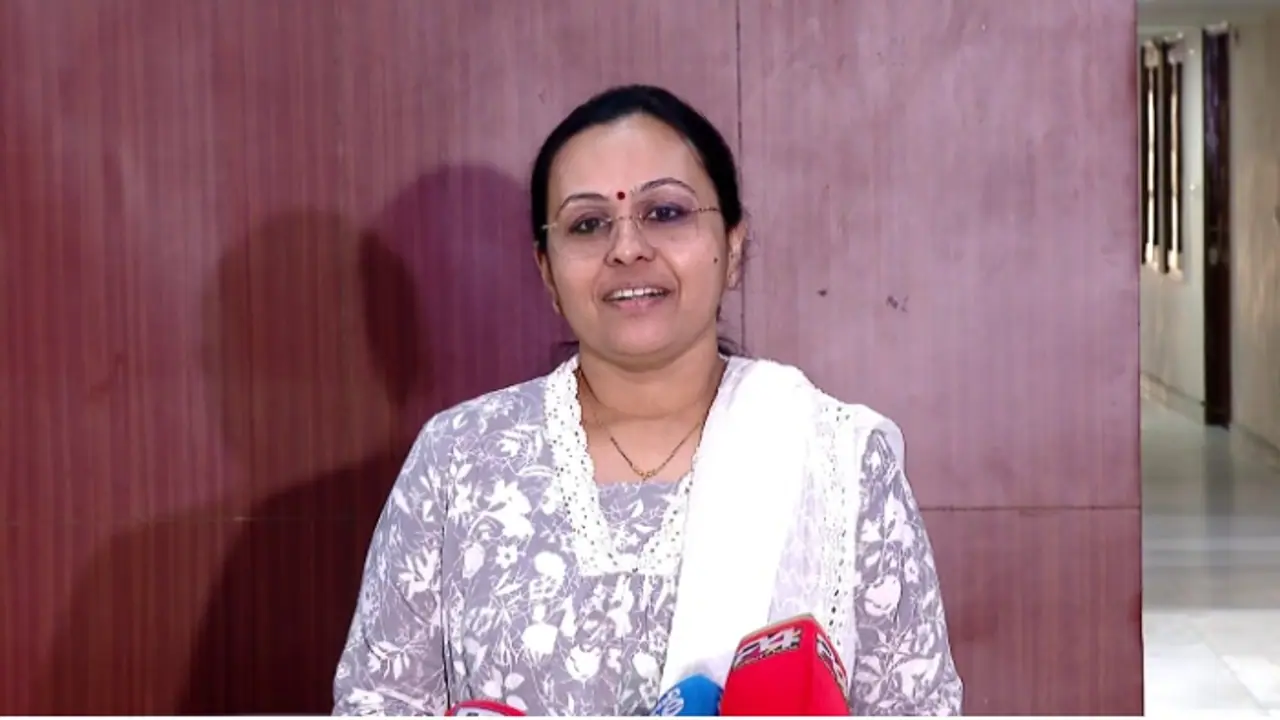
Kerala's aggressive action plan against antimicrobial resistance has led to a significant drop in antibiotic use.
Thiruvananthapuram: In a decisive move to combat the growing threat of antimicrobial resistance (AMR), Health Minister Veena George has announced a series of robust interventions under the Kerala Antimicrobial Resistance Strategic Action Plan (KARSAP). One of the most significant outcomes of this initiative has been the near-complete enforcement of the directive that prohibits the sale of antibiotics without a doctor's prescription. As a result, 450 pharmacy licenses have been suspended, and five licenses have been permanently cancelled. According to the minister, these strict measures have already contributed to a 20 to 30 percent decline in antibiotic usage across the state. Moreover, the antibiotics being dispensed now are generally of a lower potency, indicating a shift toward more responsible prescribing practices.
At a high-level AMR review meeting chaired by the minister, it was decided to intensify the testing of milk, meat, and fish for traces of antibiotic residues. This step is aimed at curbing the indiscriminate use of antibiotics in the food supply chain. The government also plans to introduce measures to reduce the levels of antibiotics in cattle and poultry feed, thereby addressing a major source of antibiotic resistance in humans.
The meeting further emphasized the need to make hospitals across Kerala antibiotic-smart. A color-coding system will be introduced in all hospitals to guide the appropriate use of antibiotics, with a strict implementation deadline of three months. As part of this initiative, antibiotics will henceforth be dispensed only in blue-colored covers, a regulation that will be mandatory for all hospitals, pharmacies, and medical stores. To promote community-level awareness and engagement, new guidelines will be issued to local self-government bodies on antibiotic literacy. These bodies will use the guidelines to prepare micro-level action plans aimed at fostering responsible antibiotic use in their respective regions.
Related Articles

Efforts are also being made to bring more hospitals under the antibiotic-smart umbrella through increased collaboration with professional medical bodies such as the Indian Medical Association (IMA), the Association of Physicians of India (API), the Indian Academy of Pediatrics (IAP), and the Clinical Infectious Diseases Society (CIDS). Public engagement remains a key component of the campaign, with over 400,000 households having already been reached through direct visits by trained health workers. The state has set an ambitious goal of becoming fully antibiotic-literate by December this year.
In terms of surveillance and monitoring, Kerala has made notable progress. In 2018, the state had only one AMR laboratory. Today, every district has a dedicated lab, and these facilities collectively test approximately 10,000 samples each month. Using a hub-and-spoke model, culture samples are collected from 185 affiliated hospitals and analyzed in district AMR labs. The minister has directed other districts to gradually adopt the successful hub-and-spoke antibiogram model implemented in Ernakulam to ensure uniform and efficient surveillance across the state.
The state is also expanding the N-PROUD initiative, a program launched by the Drugs Control Department in Kozhikode for the scientific collection and disposal of expired and unused medicines. This is part of a broader effort to eliminate unregulated access to antibiotics and prevent environmental contamination.
Kerala continues to lead nationally in its fight against antibiotic misuse. The Centre for Science and Environment (CSE) recently recognized the state as a model for its awareness campaigns and regulatory framework. Notably, Kerala remains the only state conducting AMR surveillance at both the primary and secondary healthcare levels. The KARSAP network now extends to 59 tertiary care hospitals.
The review meeting was attended by the Chief Minister’s Scientific Advisor Dr. M.C. Dathan, the Additional Chief Secretary for Health, and other senior officials. Together, they reaffirmed the state’s commitment to turning Kerala into a model for antimicrobial resistance control and public health resilience.