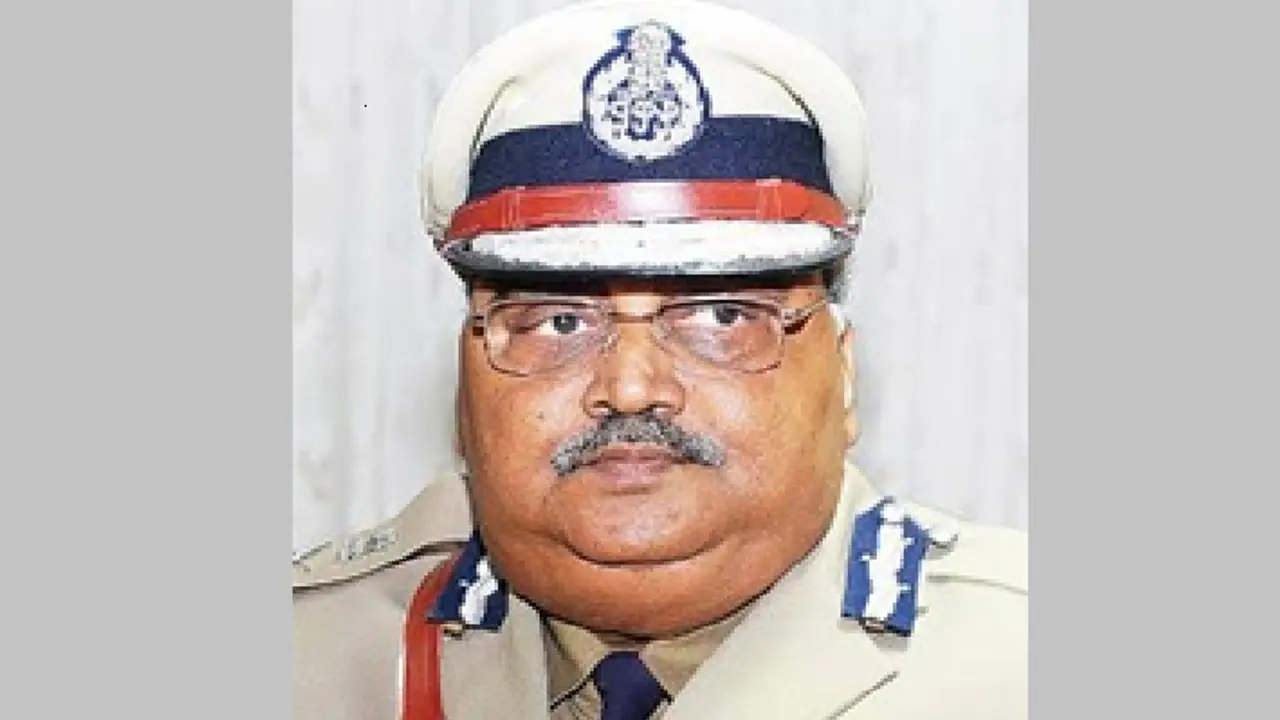
Om Prakash, a 1981-batch IPS officer and former Karnataka DGP, served the state with integrity for over three decades. Known for his calm leadership, he handled key roles and major crises, including the 1993 Bhatkal riots.
Bengaluru: The sudden and suspicious death of former Karnataka Director General of Police (DGP) Om Prakash has left the state in shock. As investigations continue into the circumstances surrounding his demise, many are reflecting on the distinguished life and career of a man who spent over three decades in service to law and order.
Early Life and Career Beginnings
Hailing from Champaran district in Bihar, Om Prakash joined the Indian Police Service (IPS) in 1981 and was allotted to the Karnataka cadre. His first posting was as Assistant Superintendent of Police (ASP) in Harapanahalli, then part of the Bellary district. From his early days in uniform, Om Prakash was known for his disciplined approach, firm leadership, and sensitivity in handling law and order situations.
Related Articles

Key Positions Held in Karnataka Police
Over the years, Om Prakash rose steadily through the ranks, taking on critical roles that shaped Karnataka’s policing systems. His career highlights include:
Superintendent of Police (SP) – Shivamogga, Uttara Kannada, Chikkamagaluru
Deputy Inspector General (DIG) – Administration, Training, Fire Force, Northern Range
Inspector General of Police (IGP) – Criminal Investigation Department (CID)
Transport Commissioner – Karnataka
Service with Karnataka Lokayukta and State Vigilance Cell
Additional Director General of Police (ADGP) – Crime & Technical Services; Grievances & Human Rights
Director General and Inspector General of Police (DG & IGP) – Karnataka (2015–2017)
He handled the 1993 Bhatkal communal riots calmly and effectively, showing his ability to manage tense situations with care and planning.
A Lasting Legacy
Om Prakash's untimely death has left a deep void in Karnataka’s policing community. Known for his dedication, discipline, and quiet leadership, he served the state with distinction for over three decades. As the investigation into his death continues, colleagues, officials, and citizens alike remember him as a man who upheld the values of justice, fairness, and public service. His legacy will continue to inspire generations of officers in the years to come.