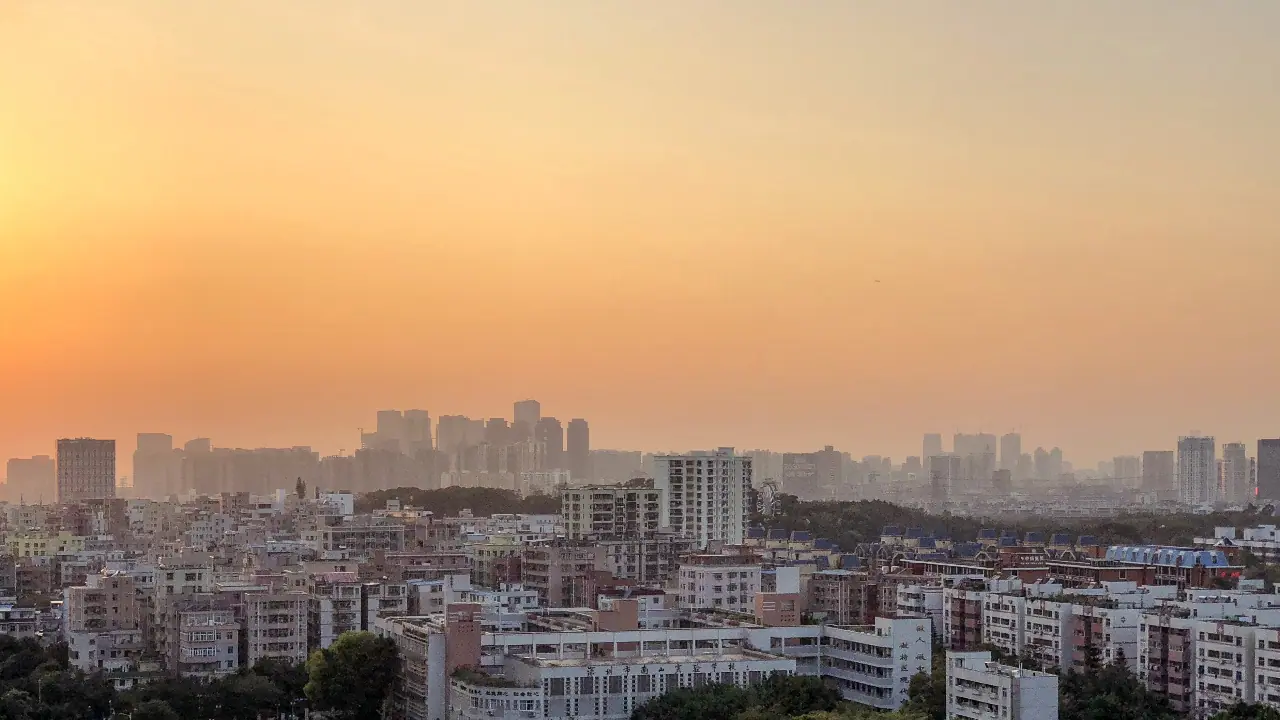
Bengaluru is known for its tech scene, but the city hides a rich past—from royal curses and haunted airports to the birth of Rava Idli and India’s oldest army regiments. Discover the untold stories behind the city you thought you knew.
Bengaluru: Once known for its gardens and cool climate, Bengaluru has evolved into India’s Silicon Valley, a bustling tech hub filled with innovation, startups, and rapid urban growth. But beyond the glass buildings and crowded roads lies a lesser-known side of the city.
From the accidental invention of Rava Idli to ghostly tales at the airport, Bengaluru's history is rich with surprising stories that offer a fresh perspective on its journey through time.
The ‘Malgudi’ Connection to Bengaluru
One of India’s most beloved fictional towns, Malgudi, created by R.K. Narayan, has its roots in Bengaluru. It is believed that the name was derived by combining “Mal” from Malleswaram and “gudi” from Basavanagudi, two of the city's oldest neighbourhoods.
Related Articles

Trinity Circle Was Once the City’s Border
Before the tech boom transformed Bengaluru, the area beyond Trinity Circle was considered the outer edge of the city. Everything past this point, including the old airport, was regarded as the city’s boundary.
A Plague That Transformed the City
A major turning point in Bengaluru’s development came in 1898, when a plague epidemic gripped the city. In response, the administration made sweeping reforms: sanitation systems were modernised, houses were required to meet new hygiene standards, and the city was divided into wards for better management. Victoria Hospital was inaugurated by Lord Curzon in 1900, and the city even saw the installation of telephone lines to coordinate anti-plague efforts.
The Victoria Hospital: A Royal Beginning
The foundation stone of Victoria Hospital was laid on June 22, 1897, to commemorate Queen Victoria’s 60th year on the throne. It was commissioned by the Maharani Regent of Mysore and has remained a pillar of the city’s healthcare for over a century.
Rava Idli: A Wartime Innovation
One of Bengaluru’s most iconic breakfast dishes, Rava Idli, was born out of necessity during World War II. With rice in short supply, Mavalli Tiffin Rooms (MTR) experimented with semolina and created a delicious alternative that has since become a staple in South Indian cuisine.
From Prison to Freedom Park
Today’s Freedom Park on Seshadri Road was once Bengaluru's Central Jail. It gained national prominence during the Emergency in 1975, when opposition leaders including Atal Bihari Vajpayee and L.K. Advani were imprisoned there. The site was later transformed into a public park symbolising democracy and freedom.
Bengaluru’s Forgotten Mutiny
While the 1857 revolt in Meerut is widely recognised as India’s first war of independence, some historians argue that the earliest sepoy rebellion took place in 1832 at Bangalore Fort, Kalasipalyam, 25 years earlier.
Home to One of India’s Oldest Army Regiments
Bengaluru was once a major British cantonment and remains a key military hub even today. It is home to some of India’s oldest and most distinguished regiments. The Madras Sappers, officially known as the Madras Engineering Group, were established in the 1770s and continue to serve actively. Based in Halasuru (Ulsoor), the regiment is not only known for its engineering excellence but also plays a crucial role in the maintenance and preservation of Ulsoor Lake.
Haunted Tales from Kempegowda Airport
There’s no shortage of spooky stories at Kempegowda International Airport. Pilots have reported sightings of a mysterious woman in a white saree wandering along the runway, a figure whose presence remains unexplained to this day.
Mapping India from Trinity Church
It is believed that one of the earliest survey benchmarks used to map India was laid at Trinity Church on MG Road. A stone embedded near the church marks this cartographic milestone.
Powering Progress
Electricity Arrives in 1906 Bengaluru was among the first cities in India to receive hydroelectric power, thanks to the Shivanasamudra Hydroelectric Project established in 1906. The electricity was used to power industries and the famed Kolar Gold Fields.
The Curse of Bangalore Palace
Local legend speaks of Alamelamma, a royal consort who, upon being asked to return stolen jewels, is said to have cursed the Wodeyar kings: Talakadu shall turn into sand, and the Mysore kings shall have no heirs. Strangely, both parts of the curse have seemingly come true: Talakadu remains a desert-like region, and the royal family has faced repeated issues with succession.
Other Remarkable Facts About Bengaluru
Lalbagh’s British Legacy: The iconic glasshouse in Lalbagh Botanical Garden was imported from England and modelled after London’s Crystal Palace.
Military Prestige: The city once hosted horse-drawn trams and continues to house strategic regiments.