
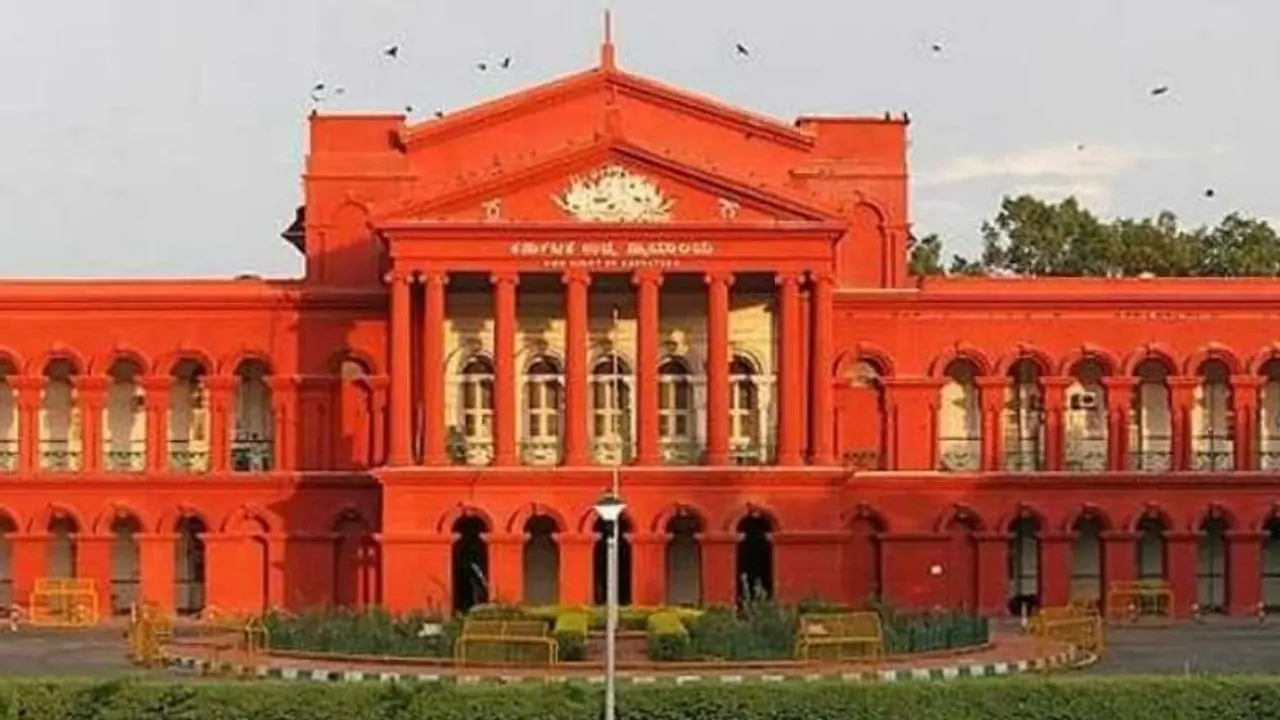
The Karnataka High Court's ruling mandates providing Goonda Act arrest warrant documents in a comprehensible language, affirming the detained individual's right to crucial information. The decision stemmed from a habeas corpus plea for Roshan Jameer, arrested under the Act, highlighting language barriers and emphasizing the right to contest arrest orders with accessible documents.
In a significant ruling, the Karnataka High Court has stated that individuals arrested under the Goonda Act must be provided arrest warrant documents in a language comprehensible to them, affirming their right to access crucial information.
The court's directive came following a habeas corpus plea filed by Mohammad Shafiullah, seeking relief for his son Roshan Jameer, who was arrested under the Goonda Act. The division bench, headed by Justice K. Somasekhar, scrutinized the police's actions in apprehending Roshan and raised pertinent queries about the arrest process.
Allahabad High Court allows survey of Shahi Idgah in Mathura for Shri Krishna Janmabhoomi dispute
Highlighting a crucial factor, it was revealed that Roshan Jameer is proficient only in Arabic and Urdu. The High Court, considering this language barrier, ruled in favour of Roshan's release, citing the authorities' failure to provide arrest warrant documents in a language he comprehends.
Karnataka: Retired soldiers move HC against election guarantees by Congress, claim misuse of public funds
The court underlined the fundamental right of an accused detained under the Goonda Act to contest their arrest order before the appropriate authority. To enable this, the arresting officers are obligated to furnish a copy of the arrest order and relevant documents in the language specified by the accused.
This ruling by the Karnataka High Court holds significant implications, asserting the right of accused individuals to access critical information in a language they understand, particularly when detained under such acts.
