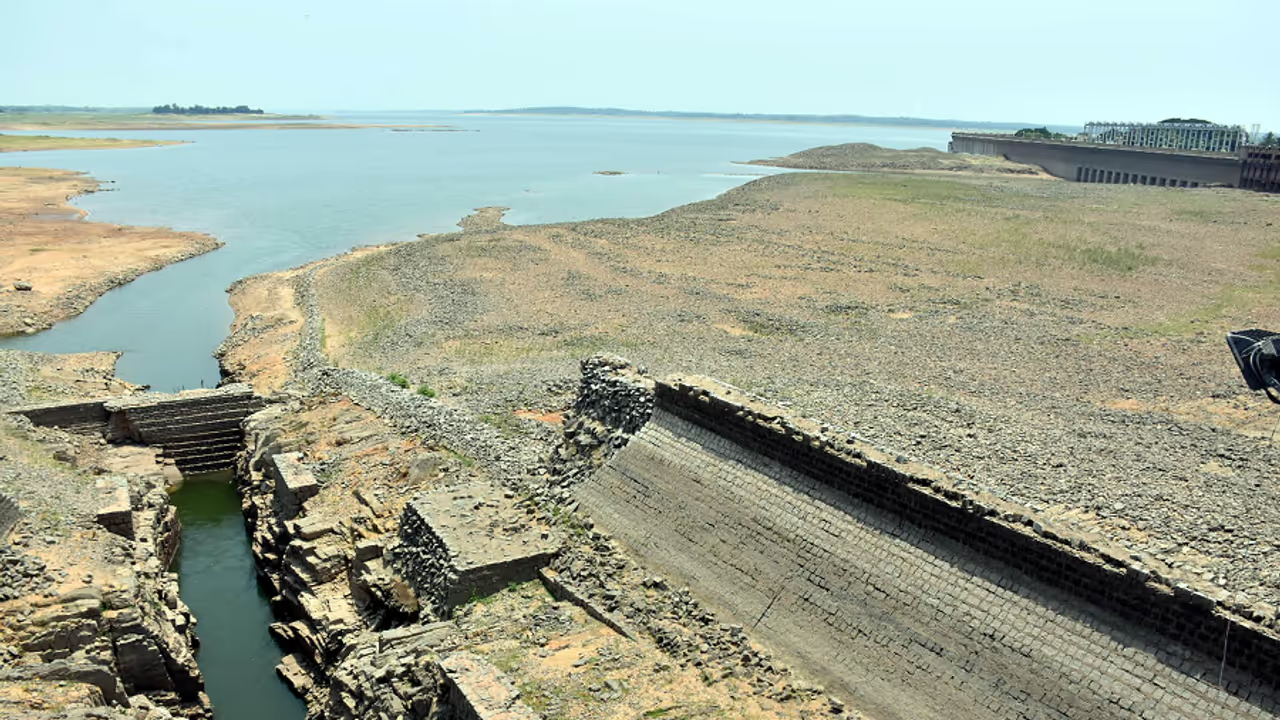
Bengaluru faces growing water crisis concerns as BWSSB seeks 9.56 TMC of Cauvery water for drinking purposes. Declining reservoir levels, below-normal rainfall and rising demand have raised fears of water shortages in the coming months.
Bengaluru, often referred to as India's Silicon City, continues to witness rapid population growth and urban expansion. However, this growth has placed immense pressure on the city's water resources. Although the monsoon season has begun, rainfall has remained below expectations, raising concerns about Bengaluru's water security in the coming months. With reservoir levels declining and water demand steadily increasing, officials of the Bengaluru Water Supply and Sewerage Board (BWSSB) have expressed concern about the possibility of a fresh water crisis.
Population Growth Drives Water Demand
Bengaluru's population has now crossed 1.5 crore, with thousands of people continuing to move to the city each year. As a result, the demand for water has increased significantly.
The BWSSB currently manages more than 11.5 lakh official water connections across the city. To meet the growing demand, the board supplies approximately 2,225 million litres of water per day (MLD), including 775 MLD from the recently commissioned Cauvery Phase V project. Despite these efforts, several parts of the city continue to experience water shortages.
Related Articles

BWSSB Seeks Dedicated Cauvery Water Allocation
To prevent a severe shortage in the future, the BWSSB has submitted a request to the Cauvery Water Regulation Committee, seeking the reservation of 9.56 TMC of water from reservoirs in the Cauvery basin exclusively for drinking purposes.
According to the board, securing this allocation in advance is essential to ensure an uninterrupted drinking water supply for Bengaluru's growing population.
Key Figures at a Glance
- Bengaluru's population: Over 1.5 crore
- Water connections: More than 11.5 lakh
- Daily water supply: 2,225 MLD
- Supply from Cauvery Phase V: 775 MLD
- Water sought for reservation: 9.56 TMC
Reservoir Levels Raise Concerns
The southwest monsoon typically gathers momentum in June, replenishing reservoirs and catchment areas across the state. However, rainfall this year has been weaker than expected in several parts of the Cauvery catchment region.
As a result, water storage levels in major reservoirs, including the Krishna Raja Sagara (KRS) reservoir, remain lower than those recorded during the same period last year. This has heightened concerns among BWSSB officials and the state government.
Risk of Water Shortages From September
Officials believe the next two months will be crucial in determining Bengaluru's water situation. If rainfall remains below normal during July and August, the city could face water shortages from September onwards.
The challenge is compounded by declining groundwater levels and shrinking water bodies in and around the city. Experts warn that inadequate rainfall during the remainder of the monsoon season could place additional stress on Bengaluru's already strained water resources.
Need for Water Conservation
With uncertainty surrounding rainfall and reservoir inflows, authorities have emphasised the importance of responsible water use. Citizens are being encouraged to conserve water, minimise wastage, and adopt sustainable consumption practices to help mitigate the impact of any potential shortage.