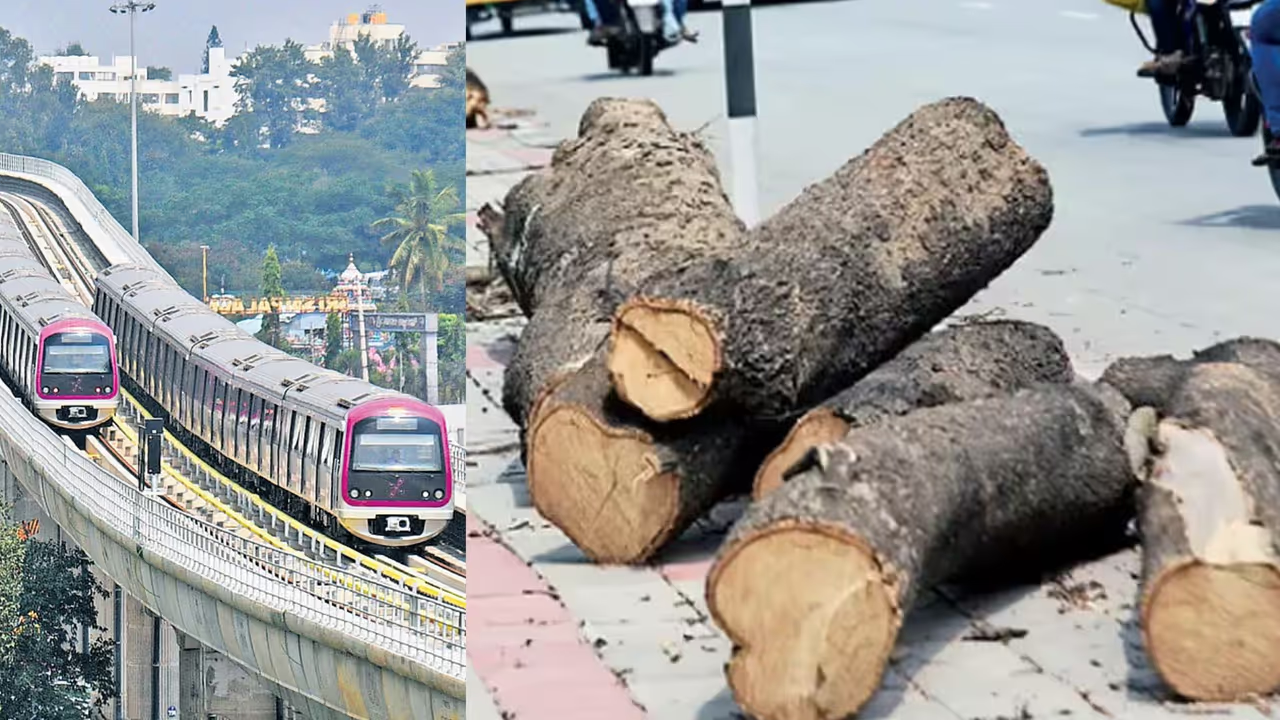
A CAG audit has raised concerns over BMRCL's failure to maintain records of 21,604 compensatory saplings linked to Namma Metro Phase 1. The report also flags concerns over tree-planting measures during Phase 2.
The Bangalore Metro Rail Corporation Limited (BMRCL) is facing questions over its failure to maintain records of 21,604 compensatory saplings reportedly required to be planted after trees were removed during Phase 1 of the Namma Metro project. According to a recent report by the Comptroller and Auditor General of India (CAG), the agency could not provide records to establish what happened to the saplings or whether they were properly maintained. The findings have raised concerns about the implementation and monitoring of compensatory planting measures associated with Metro construction in Bengaluru.
The saplings were intended to compensate for the 2,106 trees removed during the project's initial phase. Under the stated requirement, BMRCL was expected to plant replacement saplings and maintain them for a specified period. However, the corporation reportedly failed to maintain adequate records of the planting and maintenance activities carried out nearly two decades ago.
Metro Construction Began In 2006
BMRCL obtained permission from the Forest Department in 2006 to remove 2,106 trees that obstructed the initial stages of Metro construction in Bengaluru. As part of the compensatory planting requirements, the agency was required to plant 10 saplings for every tree cut or relocated and maintain them for three years.
Related Articles

Based on this requirement, 21,060 saplings would have been needed to compensate for the 2,106 trees. However, the figure of 21,604 saplings cited in the audit-related account differs from this calculation and requires verification against the original records.
Where Did The Compensatory Saplings Go?
BMRCL had entered into an agreement with the Forest Department regarding compensatory planting when the project began. The agency reportedly undertook planting activities with support from the then Bruhat Bengaluru Mahanagara Palike (BBMP), the Bangalore Development Authority (BDA), non-governmental organisations and other government departments.
However, questions remain about the subsequent maintenance of the saplings. BMRCL reportedly could not produce records showing where they were planted, how many survived or whether they received the required care. The absence of documentation has made it difficult to establish whether the compensatory planting obligations were fulfilled.
The CAG report reportedly highlighted these shortcomings, noting that BMRCL could not provide adequate records of the planting and maintenance activities. The findings have raised concerns about the corporation's monitoring and accountability mechanisms during the early years of Metro construction.
BMRCL Cleared 4,063 Trees During Phase 2
Tree removal continued during Phase 2 of the Metro project. BMRCL reportedly cut down 3,246 trees and relocated another 817, taking the total number of affected trees to 4,063. Under the stated requirement of planting 10 saplings for every tree removed or relocated, the compensatory planting target would have been 40,630 saplings.
However, the audit reportedly found that BMRCL assigned the planting and maintenance of only 1,400 saplings to a private agency through a nomination-based process. The contract was reportedly worth Rs 40 lakh, raising questions about the extent of the planting undertaken in relation to the overall compensatory requirement.
In response to the concerns, BMRCL stated that it began inviting open tenders for tree-planting work in February 2024. The agency said it now awards such contracts to eligible contractors who quote the lowest prices.
BMRCL Admits Lapses In Sapling Maintenance
Speaking to Kannada Prabha, a senior BMRCL official reportedly said the corporation did not have a dedicated forest division during the earlier phase of Metro construction, although it has one now.
The official suggested that some of the saplings might have been planted in districts outside Bengaluru. However, this could not be established from the available records. The official also acknowledged that BMRCL should have ensured the proper maintenance of the saplings and described the failure as a significant lapse.
The findings highlight the importance of maintaining accurate records and monitoring compensatory planting to ensure that infrastructure development does not come at the expense of long-term environmental commitments.