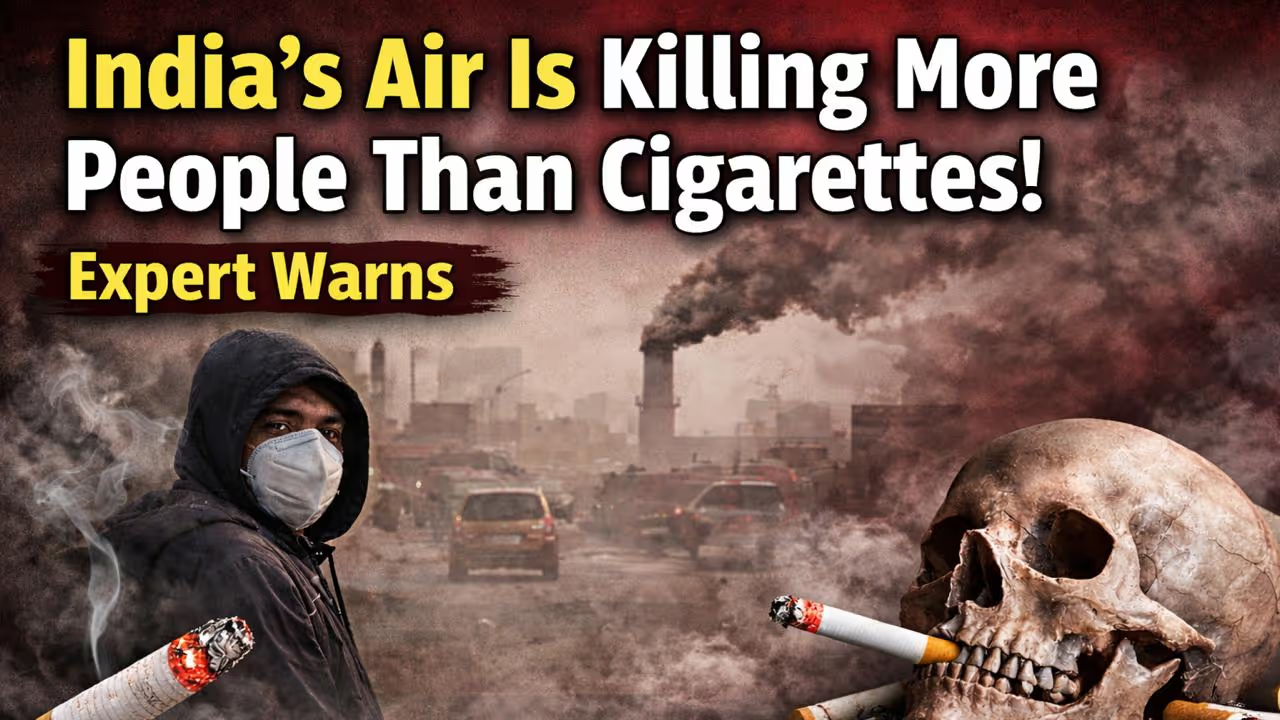
Air pollution is now a deadlier health threat than smoking in India. According to Dr. C.N. Manjunath, it caused 2.2 million premature deaths last year, compared to 1.4 million from tobacco.
Air pollution has become a deadlier health threat than smoking in India, with recent data indicating a significantly higher number of premature deaths linked to polluted air compared to tobacco use, according to senior parliamentarian Dr. C.N. Manjunath. Speaking at the closing ceremony of the second national tree-planting camp in Lalbagh, Bengaluru, he highlighted the alarming rise in air pollution levels in urban areas and urged citizens to recognise its severe health impacts.
Dr. Manjunath drew attention to figures showing that around 22 lakh (2.2 million) people died last year due to air pollution, while approximately 14 lakh (1.4 million) deaths were attributed to smoking, underscoring that polluted air now poses a greater risk to public health than tobacco consumption. Particulate matter from vehicle emissions, industrial pollution, dust from construction activities and smoke from burning biomass and other sources are major contributors to the worsening air quality in cities across the country.
Experts have long warned that breathing polluted air increases the likelihood of respiratory illnesses, asthma, chronic bronchitis, heart disease, strokes and other life-threatening conditions. According to global health studies, air pollution kills millions of people annually worldwide, particularly in low- and middle-income countries where rapid urbanisation and rising emissions amplify the problem.
Related Articles

Dr. Manjunath also emphasised the importance of expanding green cover and creating more parks like Lalbagh and Cubbon Park in major cities to improve air quality and provide residents with healthier living spaces. He urged citizens to treat clean air as a priority for overall wellbeing and called for sustained actions to reduce pollution from all major sources.
Public health advocates echo this message, noting that improving air quality requires coordinated policy measures, greater monitoring and community engagement to curb emissions and protect vulnerable groups such as children, the elderly and people with existing health conditions.