When you think of Antarctica, you picture endless ice and penguins, right? But what if dinosaurs once roamed there? It sounds like a movie plot, but it's true. A team of Argentinian scientists has confirmed that a bone, found 40 years ago on the Antarctic Peninsula's Vega Island, actually belongs to a hadrosaur dinosaur.
The year was 1986. Argentinian scientist Eduardo Olivero was on a dig on Vega Island in Antarctica. Suddenly, he found a strange piece of bone in a layer of rock. It looked like part of a large animal's foot. Back then, technology wasn't so advanced, and the idea of dinosaurs in Antarctica was just unbelievable. So, the bone was labelled 'unknown reptile' and stored away in a drawer at the La Plata Museum. Nobody had a clue that this dusty, neglected bone would rewrite history 40 years later.
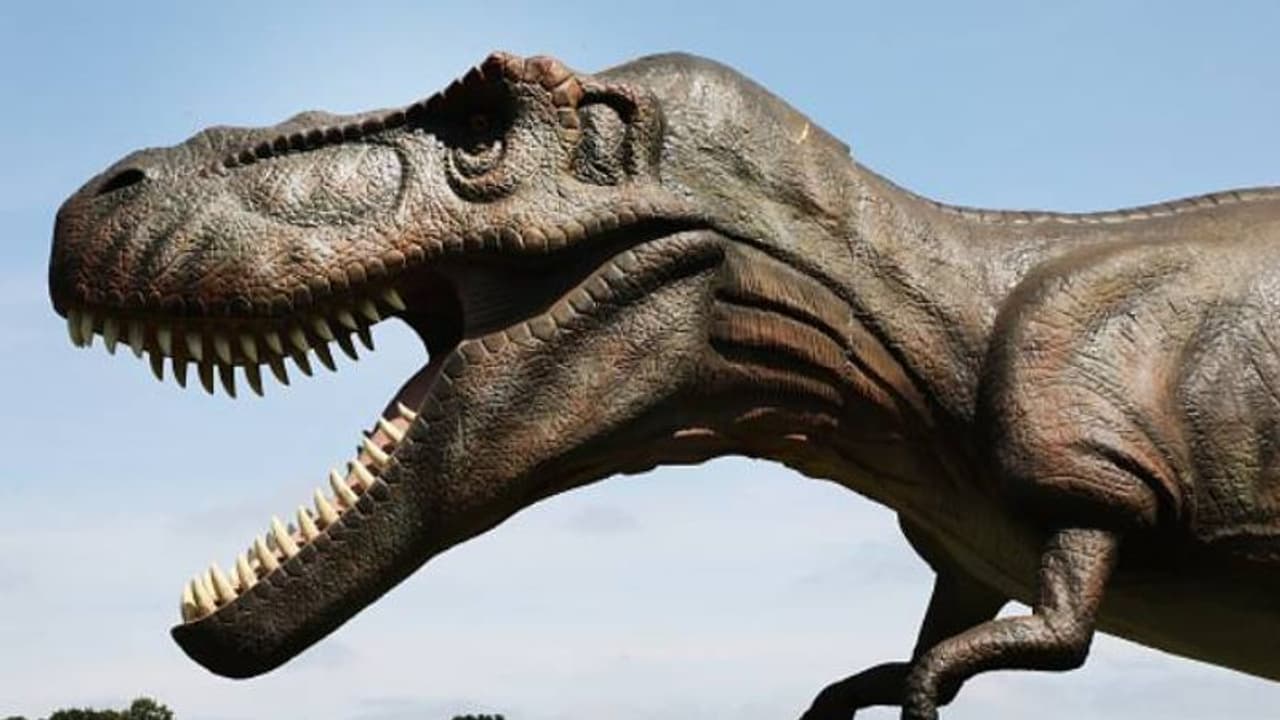
Fast forward to 2023. Dr. Penelope Cruzado Caballero, a paleontologist at La Plata University, was going through old collections when she decided to re-examine the bone. Using micro-CT scans and modern comparative anatomy, she was stunned. This wasn't some marine reptile; it was the right metatarsal bone from the foot of a hadrosaurid dinosaur. Hadrosaurs are famously known as 'duck-billed dinosaurs' because of their flat, duck-like snouts. They were plant-eaters, lived in herds, and could walk on two or four legs. So, 69 million years ago, while the T-Rex was terrorising North America, its distant, peaceful vegetarian cousins were roaming the forests of Antarctica.
But wait, forests in icy Antarctica?
This is where the story gets a real twist. About 100 million years ago, Antarctica wasn't at the South Pole. It was part of the Gondwana supercontinent, connected to Australia, South America, and Africa. The climate back then was temperate, much like New Zealand today. It had thick forests of conifers and ferns, rivers, and lakes. The average temperature was a pleasant 10-15 degrees Celsius. That green Antarctica was a paradise for dinosaurs. The continent only started freezing over about 34 million years ago, after continental drift pushed it towards the South Pole.
Related Articles

A Groundbreaking Discovery
The importance of this discovery is massive. While bits and pieces of other dinosaurs like theropods or ankylosaurs have been found in Antarctica before, this is the first confirmed evidence of a hadrosaur. And it's from the very end of the Cretaceous period. This means dinosaurs were living happily in Antarctica right up until the asteroid hit 66 million years ago. Dr. Caballero says, “This bone proves that Antarctica was not a lifeless wasteland. It was a habitat for dinosaurs and possibly a corridor for them to travel between South America and Australia.”
Just imagine! The place that now sees minus 80-degree temperatures and six months of darkness was once home to herds of hadrosaurs, munching on leaves and drinking from rivers. Maybe they even migrated like birds during the long, dark winters. This single bone is like a letter from that lost green world. Scientists are now planning new digs on Vega Island. They believe more complete skeletons are hidden under the ice. Who knows, maybe one day they'll find a whole hadrosaur or even an Antarctic version of the T-Rex. A bone that sat in a drawer for 40 years has changed history. One can only wonder what other secrets it holds.