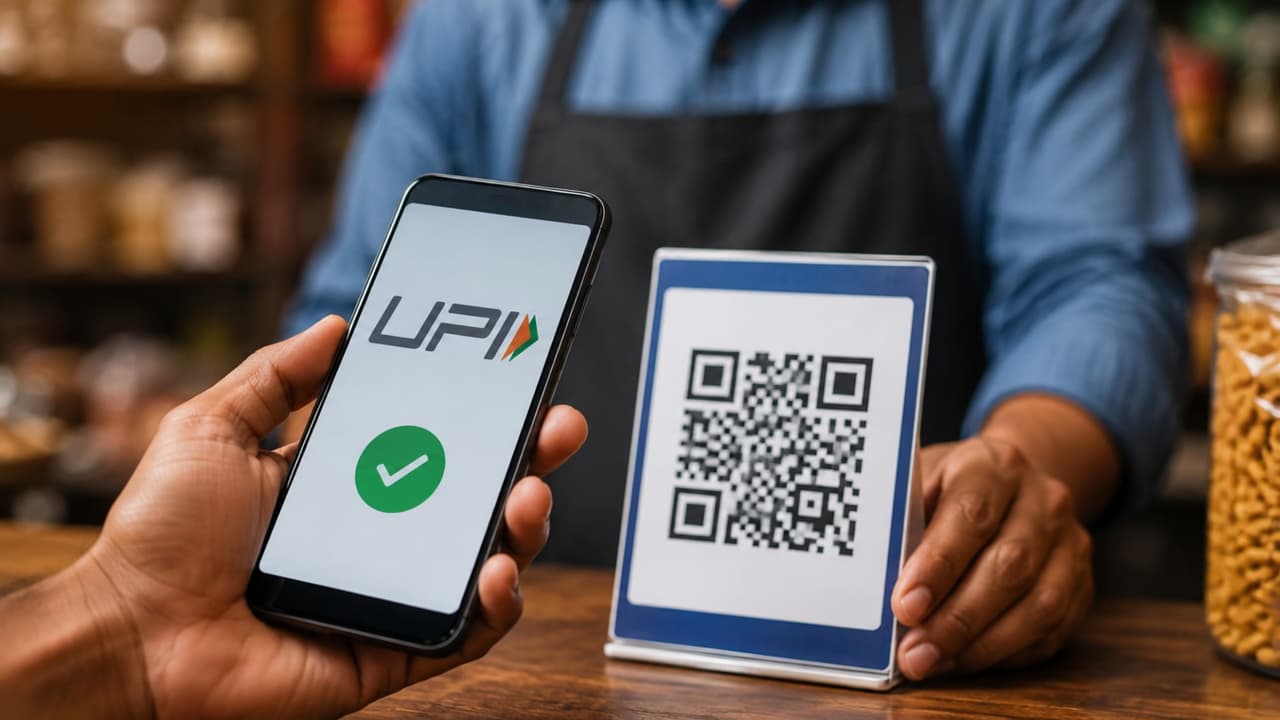
UPI payment charges explained: Find out what the latest MDR proposal means for Google Pay, PhonePe and Paytm users, who could be affected and whether regular UPI payments will remain free.
The debate about UPI payment charges has had millions of Indians speculating as to whether making a payment via Google Pay, PhonePe, or Paytm will soon become a more costly affair. The recent events, however, are not enough to signal that ordinary people will soon be required to pay for each of their UPI payment transactions.
The authorities have taken steps towards the introduction of the legal basis for applying a Merchant Discount Rate (MDR) on particular payments conducted digitally. Crucially, no final decision has been made concerning either the rate or transactions themselves.
Will Regular UPI Users Have to Pay?
Currently, no such decision has been made by the government as to imposing a flat fee for UPI transactions on a per-transaction basis for ordinary people. Making a payment from your bank account to someone else's via UPI remains a separate process from the merchant-side MDR.
Related Articles

That implies that you will not necessarily have to pay a special fee for every transaction conducted via Google Pay, PhonePe, and Paytm.
MDR: What It Really Means
MDR stands for Merchant Discount Rate. It is essentially a fee charged for the processing of digital payments. However, MDR differs from a direct transaction fee charged to a customer since MDR is charged to the merchant who pays it to the bank and other payment service providers.
MDR remains at zero in India for standard transactions done through the United Payment Interface (UPI) for promoting digital payments. These proposed changes may give the government a chance to introduce an MDR for some transactions in the future.
How Will Large Merchants Be Affected?
The government is trying to ensure that the quickly growing system of digital payments becomes self-sustainable in terms of finances. In this case, one option is to target specific large merchants or high-value transactions, while leaving small low-value transactions unaffected.
Various media reports about MDR rates and threshold values are just proposals and not the government's official decisions yet. Thus, it makes sense for users to wait until an official notification is issued.
What Does It Mean for Users of UPI?
There is no need for users of UPI to get worried just yet. Currently, the debate is focused on the economics of merchant transactions, not on the imposition of any universal fee on consumers.
UPI is one of the most commonly used digital payment methods in India. As reported in a recent publication, in July 2026, UPI accounted for 23.6 billion transactions worth ₹29.9 trillion.
What should be noted is that there is no confirmed universal fee for UPI transactions for regular customers right now. The structure of the MDR will depend on the future rules notified by the government.