
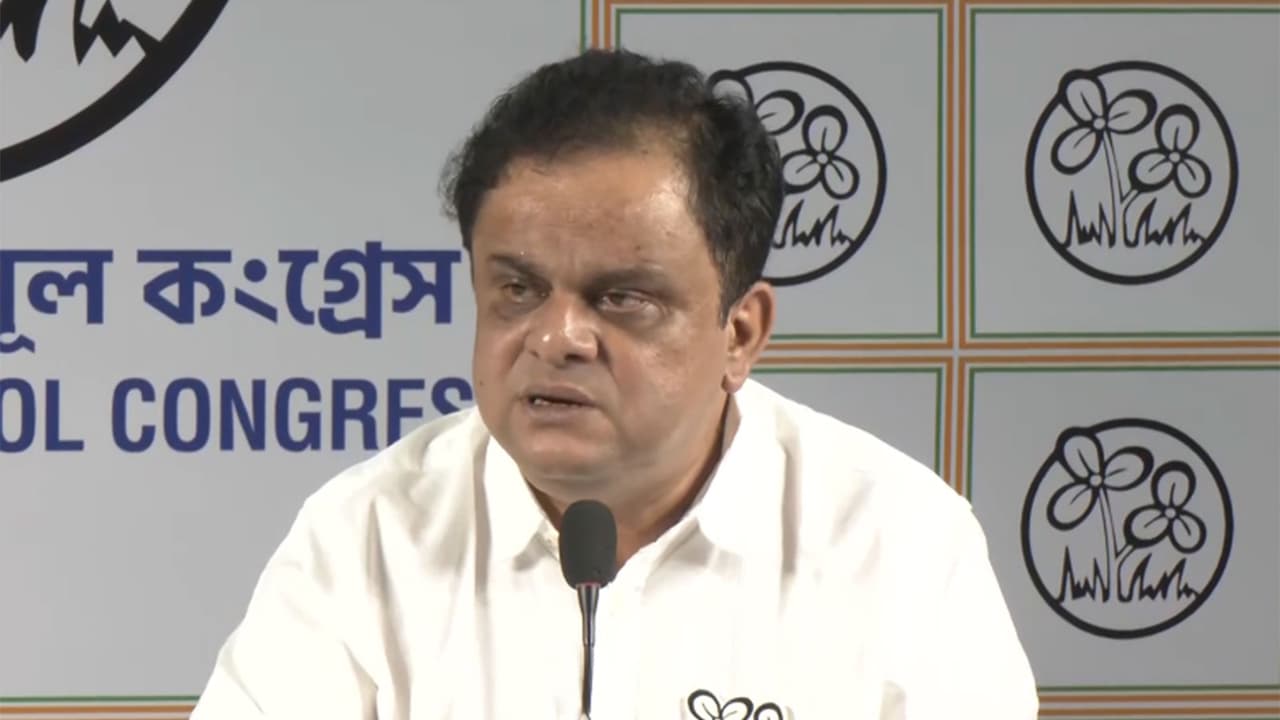
West Bengal's Dum Dum constituency is a key urban battleground for the upcoming polls. Incumbent AITC MLA Bratya Basu faces a multi-cornered fight, with the BJP emerging as the primary challenger, in a seat vital for gauging urban sentiment.
As the West Bengal assembly polls approach, the Dum Dum constituency in North 24 Parganas assumes significance as a high-profile urban battleground. The contest here is headlined by the incumbent MLA and West Bengal Education Minister, Bratya Basu of the All India Trinamool Congress (AITC), who has won three consecutive elections since 2011. Challenging him are Arijit Bakshi of the Bharatiya Janata Party, Mayukh Biswas of the CPI(M), and Susmita Biswas of the Indian National Congress. This lineup reflects a multi-cornered fight in a seat that was once a "Red Bastion" of the Left and transitioned to a key pillar of the Trinamool Congress' dominance since 2011.
A Bellwether for Urban Sentiment
The political importance of Dum Dum lies in its status as a bellwether for urban sentiment in the industrial and suburban belts surrounding Kolkata. As an urban hub housing the international airport and major metro links, the constituency is a vital indicator of middle-class and industrial sentiment in the region.
Campaign Focus: Infrastructure and Jobs
The main campaign issues here revolve around the urban infrastructure needs, such as improved drainage, water supply and reopening Jessop & Co, an engineering factory known for manufacturing railway wagons, cranes, and coaches, which shut down in 2014.
The incumbent MLA Bratya Basu asserts confidence in the development done under the TMC government in the constituency, including the establishment of government schools, libraries, road connectivity, resolution of drainage issues, etc. However, the opposition candidates argue that the TMC has only done minor works and the main development of the region is still pending. Thereby, their campaigns focus heavily on better education, clean drinking water, more work opportunities, etc.
Past Electoral Dynamics: The Rise of BJP
In the 2016 Assembly Election, Bratya Basu secured victory with 81,579 votes, maintaining a narrow margin of 9,316 votes over the CPI(M)'s Palash Das, who benefited from a Left-Congress alliance. By the 2021 elections, the dynamic shifted significantly as the BJP emerged as the primary challenger. Bratya Basu secured 87,999 votes, defeating Bimalshankar Nanda (BJP), who received 61,268 votes. The CPI(M) followed with 30,653 votes, leaving Basu with a comfortable winning margin of 26,731 votes. During this period, the BJP saw a dramatic rise in its vote share, climbing from roughly 8% in 2016 to over 33% in 2021, setting the stage for the intense ideological and developmental contest expected in the upcoming elections.
Election Schedule
Elections to the 294-member West Bengal Assembly will be held in two phases on April 23 and April 29, and votes will be counted on May 4. In 2021 polls, TMC won 213 seats and BJP 77. (ANI)
(Except for the headline, this story has not been edited by Asianet Newsable English staff and is published from a syndicated feed.)