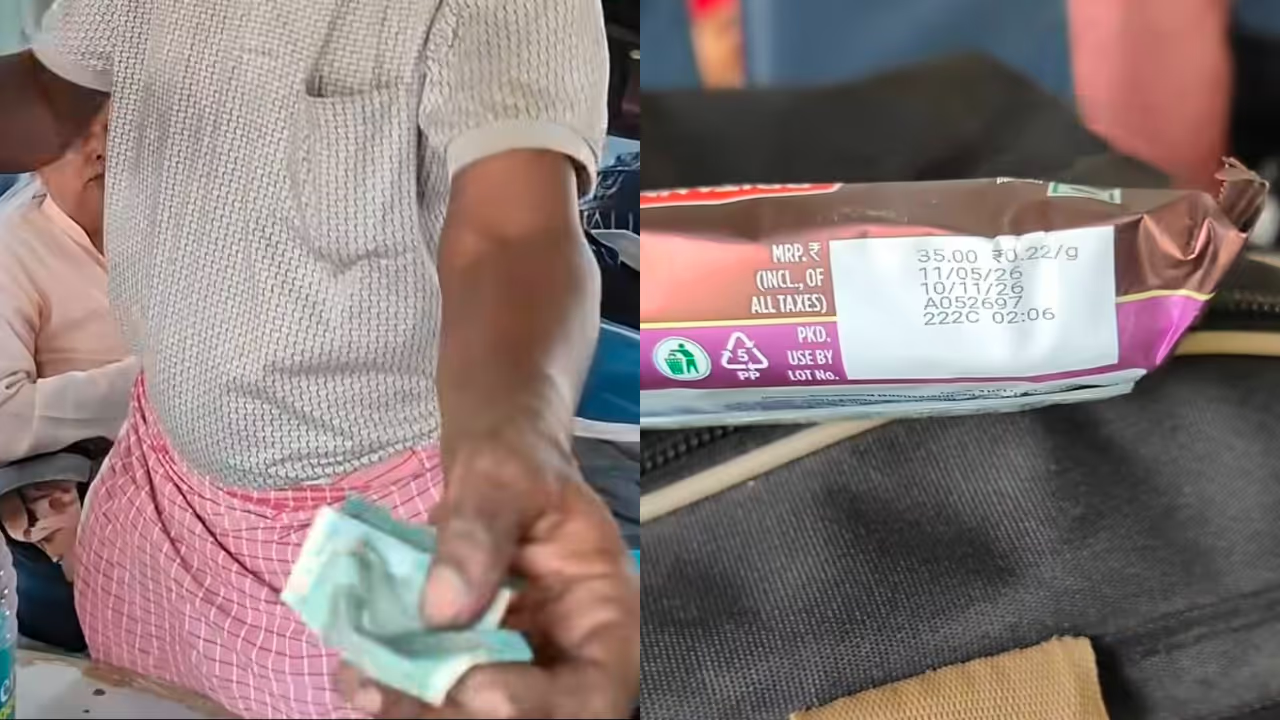
A train passenger claimed he was charged ₹50 for a cake packet with an MRP of ₹35, sparking a viral debate on vendor overcharging, passenger rights, and accountability in railway services. Social media users called for stricter action against offenders.
What began as a routine snack purchase during a train journey has sparked a wider discussion about passenger rights, pricing transparency and accountability within railway services. A traveller's experience with an onboard vendor has gone viral on social media, prompting many users to share similar concerns about overcharging during train travel.
The passenger reportedly purchased a packet of cakes from a vendor while travelling by train. At first, the transaction appeared routine. However, after checking the packaging, the passenger noticed that the Maximum Retail Price (MRP) printed on the packet was ₹35, while he had been charged ₹50.
Passenger Questions Price Difference
Surprised by the discrepancy, the passenger questioned the vendor about the additional ₹15. Instead of correcting the issue, the vendor allegedly offered an explanation that raised further concerns.
Related Articles

According to the passenger, the vendor claimed that the extra amount collected was not solely for personal gain and suggested that others were also entitled to a share of the money. The remark quickly attracted attention online and shifted the discussion beyond a simple case of overcharging.
Small Amount, Bigger Questions
Although the difference was only ₹15, many social media users argued that the issue extends far beyond the amount itself. The incident has reignited concerns about whether passengers are routinely being charged above the printed price during train journeys.
Several travellers pointed out that such experiences are not uncommon. Many passengers choose not to dispute small overcharges to avoid confrontation, but critics argue that such practices can become widespread if left unchecked.
The incident has also raised questions about the effectiveness of monitoring mechanisms and the enforcement of pricing regulations on trains. With millions of people relying on railway services every day, maintaining public trust remains crucial to ensuring a positive travel experience.
Social Media Users Demand Action
The post, shared on X by user @ItsAradhya_, attracted significant attention, with many users expressing frustration over the alleged overcharging.
One user wrote, "Overcharging passengers is unacceptable, no matter how small the amount. Rules should apply to everyone."
Another commented, "If a vendor is caught selling products above MRP on trains, strict action should be taken. It is not about ₹15. It is about honesty and trust. Passengers should not be treated as easy targets simply because they are travelling. Repeat offenders should face heavy penalties and cancellation of their licences. Railways must ensure fair pricing for every traveller."
A third user added, "If the price is clearly printed on the packet, it should be respected. Nobody should be asked to pay more than the MRP."
Calls for Stronger Enforcement
The incident has renewed calls for stricter monitoring of onboard vendors and stronger action against those found violating pricing regulations. Many users believe that repeated instances of overcharging, even involving small amounts, can undermine public confidence in railway services.
While a single packet of cake may appear insignificant, critics argue that similar practices across thousands of train journeys could affect a large number of passengers. The episode has once again highlighted the importance of consumer awareness and the need for fair and transparent pricing in public transport services.