A viral post on X showcased a hyper-realistic bank check image created using AI, sparking widespread concern. The image, seemingly a UCO Bank cheque, led to a debate about the potential for AI-generated financial fraud, with some users expressing alarm while others pointed out the technology's limitations.
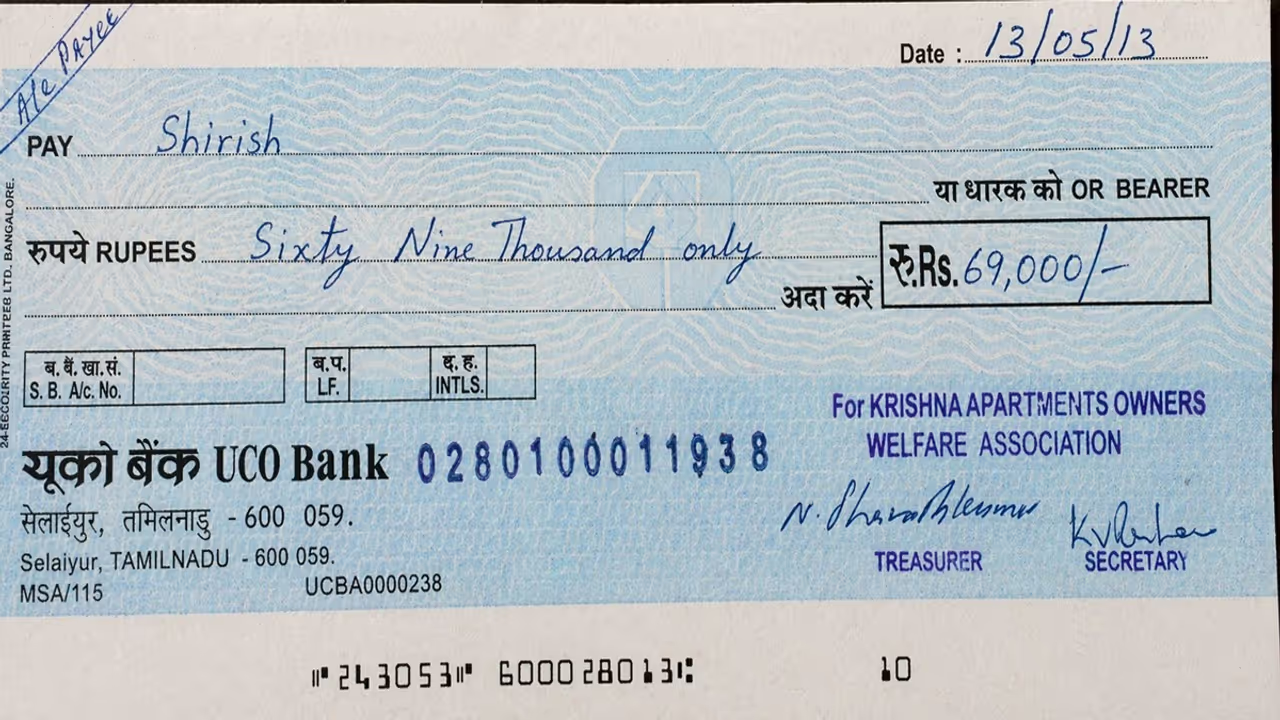
Concerns about the abuse of artificial intelligence have been rekindled by a widely shared post on X, where a user displayed an extremely lifelike image of a bank check created with AI techniques. The picture, which was posted by user Shirish (@shiri_shh), seemed to show an authentic UCO Bank cheque for Rs 69,000 made out to him. "This was made with ChatGPT Image 2.0," he remarked while sharing the post. "We are so cooked," received a lot of attention on the internet.
With features like an account number, branch information, a dedicated signature place, and even a MICR strip at the bottom, the cheque appeared to be authentic at first sight. The post's timing also attracted notice since it appeared just after OpenAI unveiled improved image-generation features meant to create more detailed and crisp images.
Check Out Viral Image
Related Articles

How Did Netizens React?
The tweet immediately caused a flurry of responses, with some users expressing concern over the possibility of financial fraud created by AI, while others attempted to soothe people by emphasising the limitations of such graphics.
Reacting to the post, one user wrote, “Don't panic! Regardless of the date, you cannot encash this cheque. It is not a CTS compliant cheque and won't be accepted. For CTS complaince you need a "VOID" mark in an ink that only shows up under UV light. ChatGPT cannot produce that.”
“Why would you even try that. These models becoming more and more paranoid and censored because some people can’t keep it in their pants,” commented another.
“AI can generate a perfect cheque… meanwhile my bank still rejects my own signature like nice try criminal,” expressed a third user. “Still the paper used in cheque book cant be copied,” remarked another.
The popular post has once again brought attention to the dual-edged character of AI developments: although the technology keeps pushing the bounds of creativity, it also poses significant concerns about security, abuse, and public awareness.