
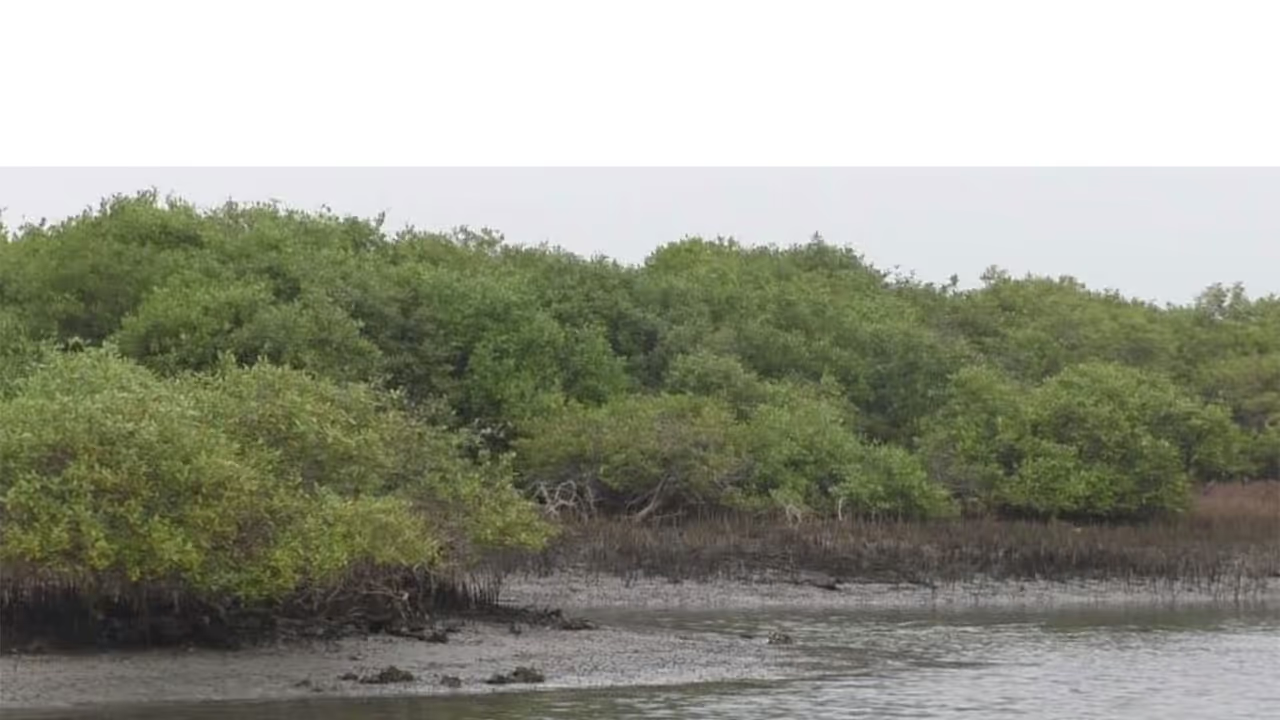
Thoothukudi's Forest Department is expanding mangrove forests to protect the coast and support livelihoods. The project, running since 2022, has covered 115.46 hectares and will continue until 2030 to enhance biodiversity and community income.
The Thoothukudi District Forest Department has been carrying out efforts to expand the extent of mangrove (swamp) forests and restore degraded areas to their natural condition. The mangrove forests in the Thoothukudi district serve as a primary protective shield for the coastal environment and the livelihoods of residents.
Ecological and Socio-Economic Significance
Mangroves spread across river mouths, estuaries, and coastal stretches are of immense ecological and socio-economic importance. These mangrove forests function as natural barriers that protect coastal settlements, roads, and other basic infrastructure from natural hazards such as coastal erosion, storm surges during cyclones, tidal inundation, and saline water intrusion. As a result, the safety and stability of coastal communities are ensured.
In addition, mangrove ecosystems support rich marine and estuarine biodiversity. They act as crucial nursery and breeding grounds for fish, prawns, and other aquatic organisms. This provides significant support to the local fisheries sector and helps safeguard the income of fishermen and other coastal communities.
The District Forest Officer, M. Ilayaraja, emphasised the importance of mangroves to fishermen. "Mangroves are very important for fish growth, and the conservation of mangroves would support fishermen. Understanding this information, the Forest Department has taken various steps to conserve mangroves.", he said.
Mangrove forests also play a vital role in mitigating the impacts of climate change through carbon sequestration. Additionally, they provide a wide range of essential ecosystem services that sustain the livelihoods of coastal and mangrove-dependent communities.
Conservation Initiatives and Future Strategy
Given this importance, mangrove plantation and restoration activities have been implemented continuously in the Thoothukudi district since 2022-23. Up to 2025-26, these activities have covered a total area of 115.46 hectares. Through these efforts, steps are being taken not only to increase mangrove cover but also to restore degraded areas to their natural condition.
To further strengthen these initiatives, a dedicated mangrove conservation programme is planned to be implemented up to 2030 under the Tamil Nadu Shore Protection and Conservation Scheme. As part of this initiative, a Detailed Project Report (DPR) is being prepared to improve mangrove ecosystems and enhance the livelihoods of mangrove-dependent communities. The DPR proposes key interventions, including removing invasive alien species that hinder mangrove growth, restoring hydrological flows to ensure smooth tidal flow, expanding mangrove cover, and measures to ensure the long-term sustainability of mangrove habitats.
Scientific Assessment for DPR
Under the guidance of Dr K Kathiresan, Emeritus Professor, CAS in Marine Biology, Annamalai University, and along with Dr Vinod Ravichandran, the District Forest Officer of Thoothukudi, Ilaiyaraja, along with forest department officials, conducted a field visit to the mangrove areas. During this inspection, a detailed assessment was conducted of the current status of the mangrove forests in the Punnakayal and Pazhayakayal regions.
To further strengthen mangrove conservation and development in these areas, the Detailed Project Report (DPR) is being prepared using a scientific approach. For this purpose, intervention zones have been clearly identified, and the proposed activities for each area have been planned and quantified in terms of hectares. Officials stated that these measures would help protect mangrove ecosystems, ensure their long-term sustainability, and further strengthen environmental protection along the coastal regions. (ANI)
(Except for the headline, this story has not been edited by Asianet Newsable English staff and is published from a syndicated feed.)