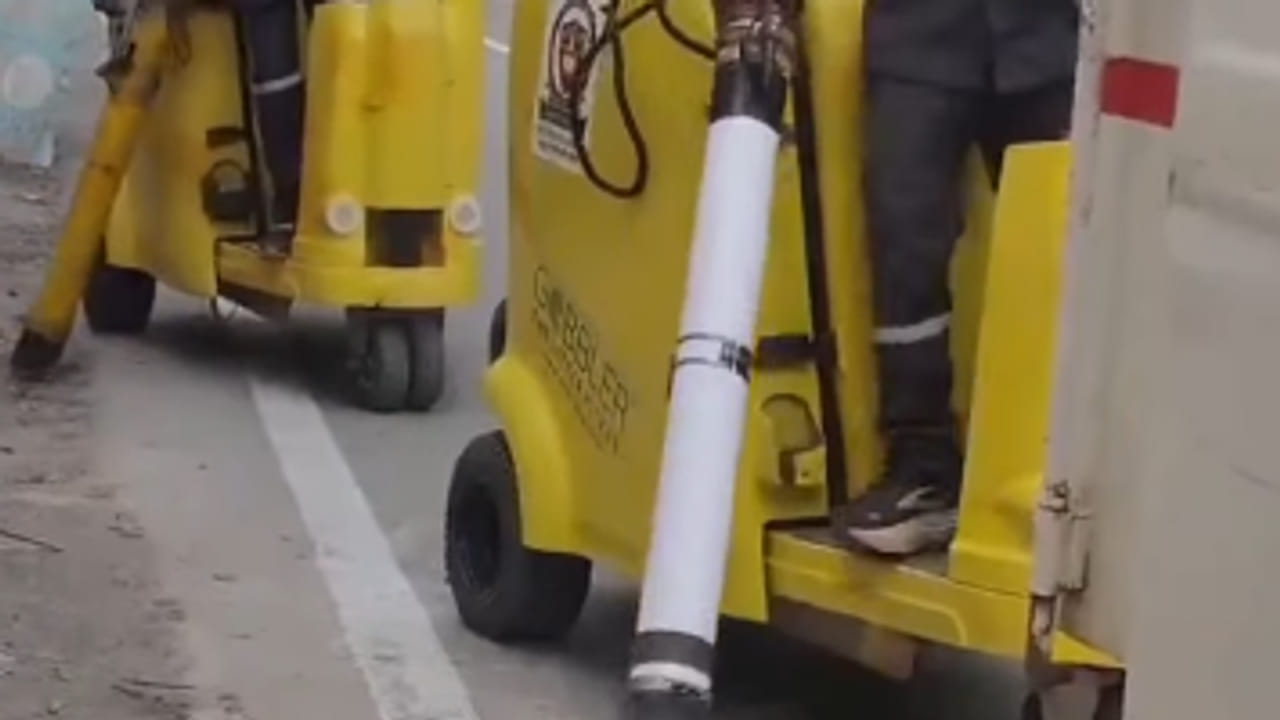
Delhi's MCD has introduced battery-powered litter-picking machines to improve street cleaning, with 1,000 units planned across the capital. Trials are underway in eight wards, but questions remain over their actual efficiency.
The Municipal Corporation of Delhi (MCD) has introduced battery-powered litter-picking machines as part of an effort to improve street cleanliness across the national capital. Designed to collect everyday waste such as food wrappers, plastic bottles and other litter, the machines use vacuum suction technology to pick up garbage from public spaces. Unlike conventional cleaning equipment, these battery-operated devices are intended to make waste collection easier, particularly in areas with heavy pedestrian movement. The initiative aims to improve the efficiency of sanitation workers while reducing the effort involved in manually collecting scattered waste from roads and footpaths.
1,000 machines planned across the capital
According to the rollout plan, the MCD intends to deploy 1,000 such machines across Delhi. Trials are already underway in eight municipal wards to assess their performance and suitability for different urban settings. The equipment is designed for use in busy markets, narrow lanes, crowded streets and other public spaces where conventional cleaning vehicles may find it difficult to operate. The pilot phase is expected to help authorities understand how effectively the machines can handle everyday litter collection before expanding their use across the city. The initiative is part of the civic body's broader efforts to strengthen sanitation infrastructure and modernise urban waste management.
Viral Video: Mexico Politician Faces Witchcraft Claims After Bizarre Hug With Governor! (WATCH)
Viral Video: Worker Hangs From High-Tension Wires After Hydra Tips Over! (WATCH)
Questions raised over efficiency of new technology
Despite the proposed benefits, the introduction of the machines has also prompted questions about whether the technology will genuinely make street cleaning faster and more effective. While vacuum-based equipment could help sanitation workers collect scattered waste more conveniently, its actual performance will depend on factors such as battery life, waste capacity, maintenance and ease of operation. Claims suggesting that the machines take hours to complete tasks that would otherwise take minutes have not been independently established. Ultimately, the success of the initiative will depend on whether the machines improve everyday cleaning operations and offer a practical solution for Delhi's growing sanitation challenges.