Harish Rana, in a vegetative state for 13 years, is undergoing passive euthanasia in New Delhi. The procedure follows a Supreme Court ruling that granted his family’s request to withdraw life support, upholding his right to a dignified death. Doctors are providing palliative care to ensure comfort during his final days.
A deeply emotional moment unfolded at the All India Institute of Medical Sciences (AIIMS) in New Delhi as passive euthanasia procedures began for 32-year-old Harish Rana, who has been in a vegetative state for over 13 years. A short video capturing his family’s farewell has drawn widespread attention, bringing national focus to the sensitive debate around end-of-life decisions and the right to die with dignity.
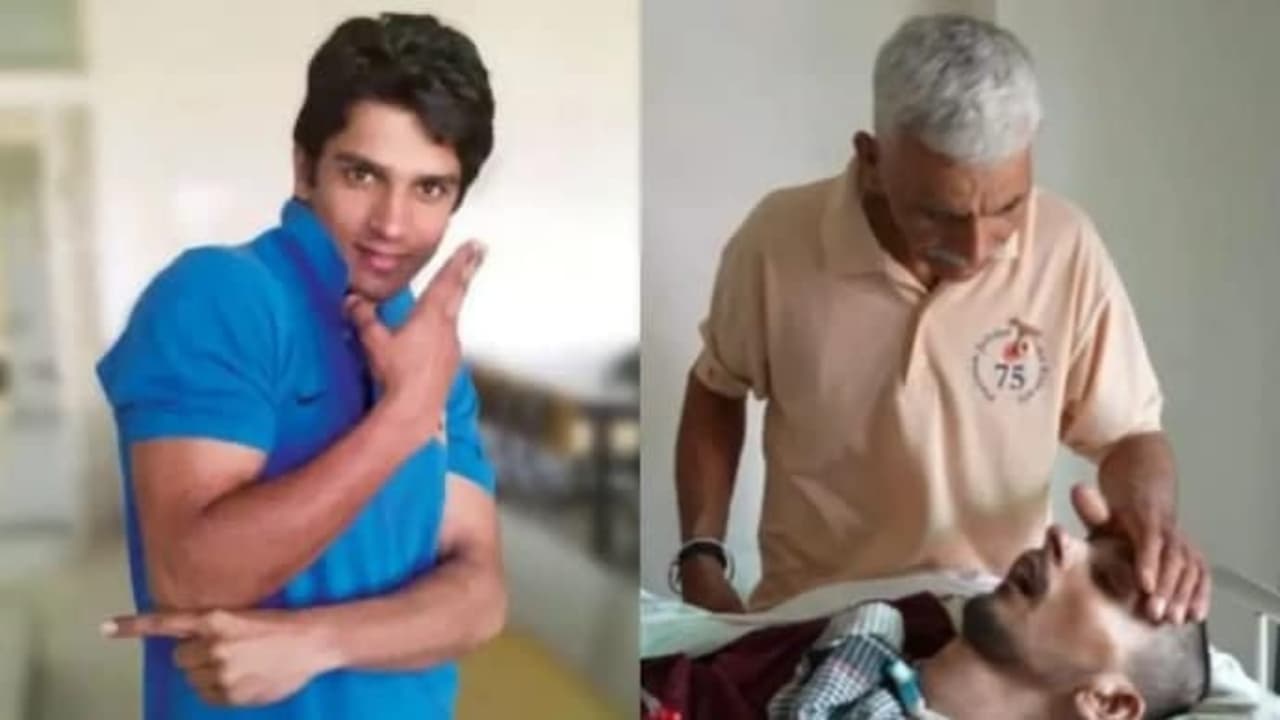
The visuals showed Rana lying in a hospital bed, surrounded by grieving family members, including his mother, as doctors initiated the legally sanctioned medical protocol. According to reports, the hospital admitted him to its specialised palliative care unit, where a dedicated medical team is overseeing the process in line with judicial guidelines.
Related Articles

The Supreme Court’s landmark decision permitting passive euthanasia in Rana’s case followed years of legal proceedings and medical assessments. The ruling acknowledged that continued life-sustaining treatment offered no realistic prospect of recovery and upheld his constitutional right to a dignified death. The judgment has been widely viewed as a significant development in India’s evolving legal framework governing end-of-life care.
Also Read: Supreme Court permits passive euthanasia for Ghaziabad man, Harish Rana
Harish Rana suffered severe brain injuries in an accident in 2013, leaving him in a persistent vegetative state. For more than a decade, his family provided continuous care while pursuing legal remedies to seek permission for withdrawal of life support. The final decision marked a painful yet decisive turning point for the family, closing a long chapter of uncertainty and emotional strain.
Passive euthanasia involves the withdrawal of life-prolonging medical treatment, allowing natural death while ensuring comfort-focused care. Medical experts emphasise that the process is guided by strict ethical safeguards, including evaluation by specialist doctors and consent from family members. At AIIMS, the focus has now shifted to palliative support aimed at minimising pain and distress during Rana’s final days.
The case has sparked wider discussions across the country about medical ethics, patient autonomy and the responsibilities of families and healthcare institutions in situations involving irreversible neurological conditions. While some view the decision as an act of compassion, others argue that clearer legal frameworks are needed to address complex moral questions surrounding euthanasia.
As the emotionally charged developments continue to unfold, Harish Rana’s story has become a defining moment in India’s conversation on dignity in death, highlighting the profound human dimension behind judicial rulings and medical protocols.
Also Read: From Aruna Shanbaug To Harish Rana: Key Cases That Changed India's Euthanasia Laws