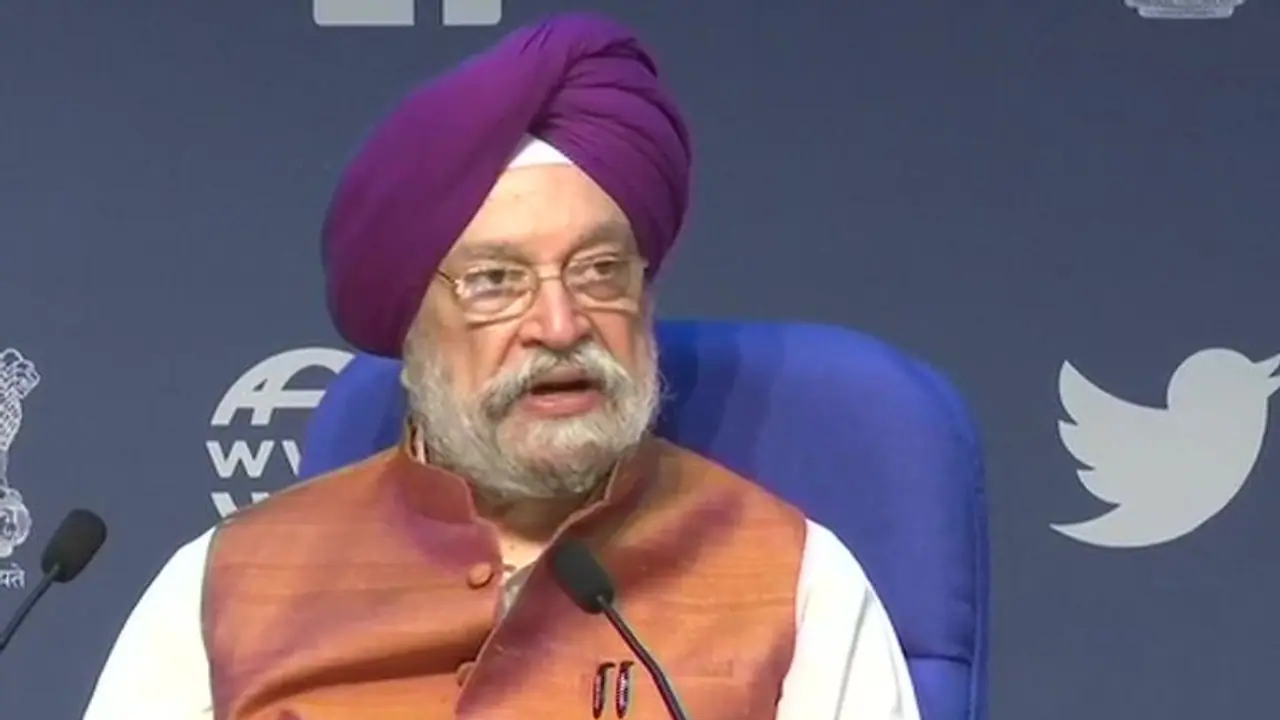
The Indian government has assured there is no immediate threat to fuel supply despite rising West Asia tensions. Officials say India has sufficient crude oil and petroleum reserves, ensuring no near-term shortage of petrol, diesel, or cooking gas.
Amid escalating tensions in West Asia, the Indian government has moved to calm fears of a potential fuel crisis, asserting that there is no immediate threat to the country’s energy supply.
Union Petroleum and Natural Gas Minister Hardeep Singh Puri confirmed that India has sufficient reserves of crude oil and petroleum products to meet current demand, ensuring that consumers will not face shortages of petrol, diesel, or cooking gas in the near term.
Hardeep Singh Puri assured that India has adequate energy reserves to manage the current crisis, emphasizing that there will be no immediate shortage of petrol, diesel, or cooking gas for consumers.
Related Articles

India imports slightly over five million barrels of crude oil daily, with nearly half—around 2.5 million barrels—passing through the strategically vital Strait of Hormuz, a narrow 33-kilometre route between Iran and Oman. Shipping through this corridor has slowed significantly following recent Iranian strikes in the Gulf. Meanwhile, Qatar, a key LNG supplier, has temporarily halted production.
Also Read: US Sinks Iranian Navy, Strikes 2,000 Targets in 'Epic Fury' Op
To stay prepared, the government has set up a 24x7 control room to closely track fuel supplies and stock levels nationwide. Officials stated that current reserves remain comfortable and expressed cautious optimism, noting that phased measures can be introduced if needed to manage any emerging challenges.
The reassurance comes at a time when geopolitical instability in the region—one of the world’s most critical energy hubs—has raised concerns globally about disruptions to oil supply chains.
West Asia plays a vital role in India’s energy security, with a significant portion of the country’s crude oil imports originating from the region. Any prolonged conflict, particularly affecting key transit routes such as the Strait of Hormuz, could have far-reaching implications for global oil prices and supply availability.
Despite these risks, the government emphasized that India is well-prepared to handle short-term disruptions. Officials highlighted that the country maintains adequate stockpiles and has diversified its sources of crude imports over the years. This strategic approach allows India to adapt quickly by sourcing oil from alternative suppliers if necessary, reducing overdependence on any single region.
Also Read: Trump Announces Insurance, Military Escorts For Ships Amid Escalating US-Israel-Iran War
To further strengthen preparedness, authorities are closely monitoring developments in West Asia through coordinated efforts across ministries. An inter-ministerial group has been set up to assess potential impacts on trade, shipping, and critical imports, ensuring swift response mechanisms are in place if the situation worsens.
Experts, however, caution that while immediate shortages may not occur, prolonged instability could still pose economic challenges. Rising crude oil prices, supply chain disruptions, and increased insurance costs for shipments could impact inflation, currency stability, and overall economic growth. Global markets have already shown signs of volatility as tensions continue to unfold.
Additionally, India’s heavy reliance on imported energy makes it particularly sensitive to sustained disruptions. Analysts note that while current reserves provide a buffer, long-term supply shocks could strain the country’s energy security if the conflict intensifies or persists.
For now, the government’s message remains clear: India is equipped to manage the immediate fallout of the crisis. With sufficient reserves, diversified sourcing strategies, and continuous monitoring, authorities aim to ensure stability in domestic fuel supply while navigating the uncertainties of an increasingly volatile geopolitical landscape.