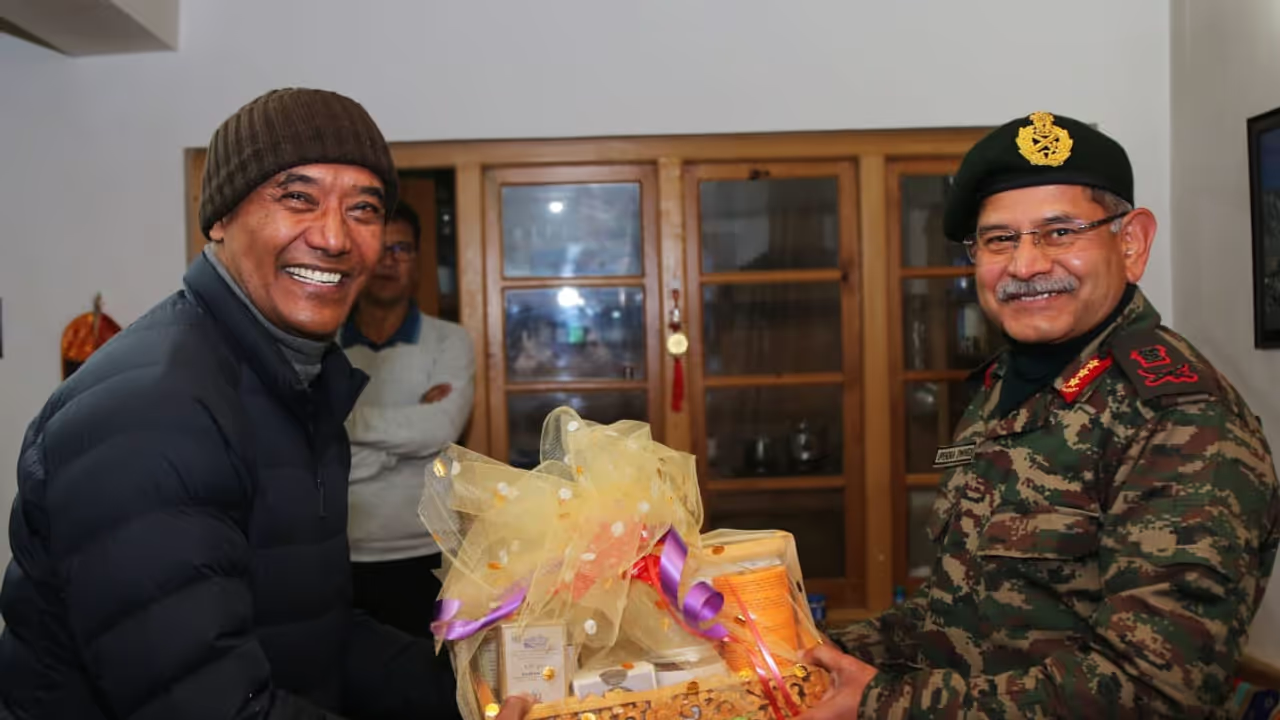
Maha Vir Chakra recipient Colonel Sonam Wangchuk died at the age of 61 after suffering a heart attack at his residence in Leh, Ladakh. His death has drawn tributes from across the country, with Defence Minister Rajnath Singh and the Indian Army mourning the loss of a decorated and courageous officer.
New Delhi: Some soldiers leave service. A few never really leave the Army. Col Sonam Wangchuk was one of them. His passing on 10 April 2025 did not simply mark the end of a life of service. It reopened something deeper in the collective memory of the Indian Army, the memory of a man whose name continued to carry warmth, respect, and quiet pride long after he had taken off the uniform in the formal sense. For men like him, retirement is only administrative. In the minds of comrades, juniors, and seniors, they remain what they always were: officers, leaders, brothers.
That is why remembrance in the Army is never limited to wreaths and formal words. It lives in gatherings where an old story is told once more. It lives in the pause that comes when a familiar name is spoken. It lives in conversations between officers who remember not only acts of bravery, but the way a man carried himself, the way he spoke to his troops, the way he made others feel seen and valued.
Related Articles

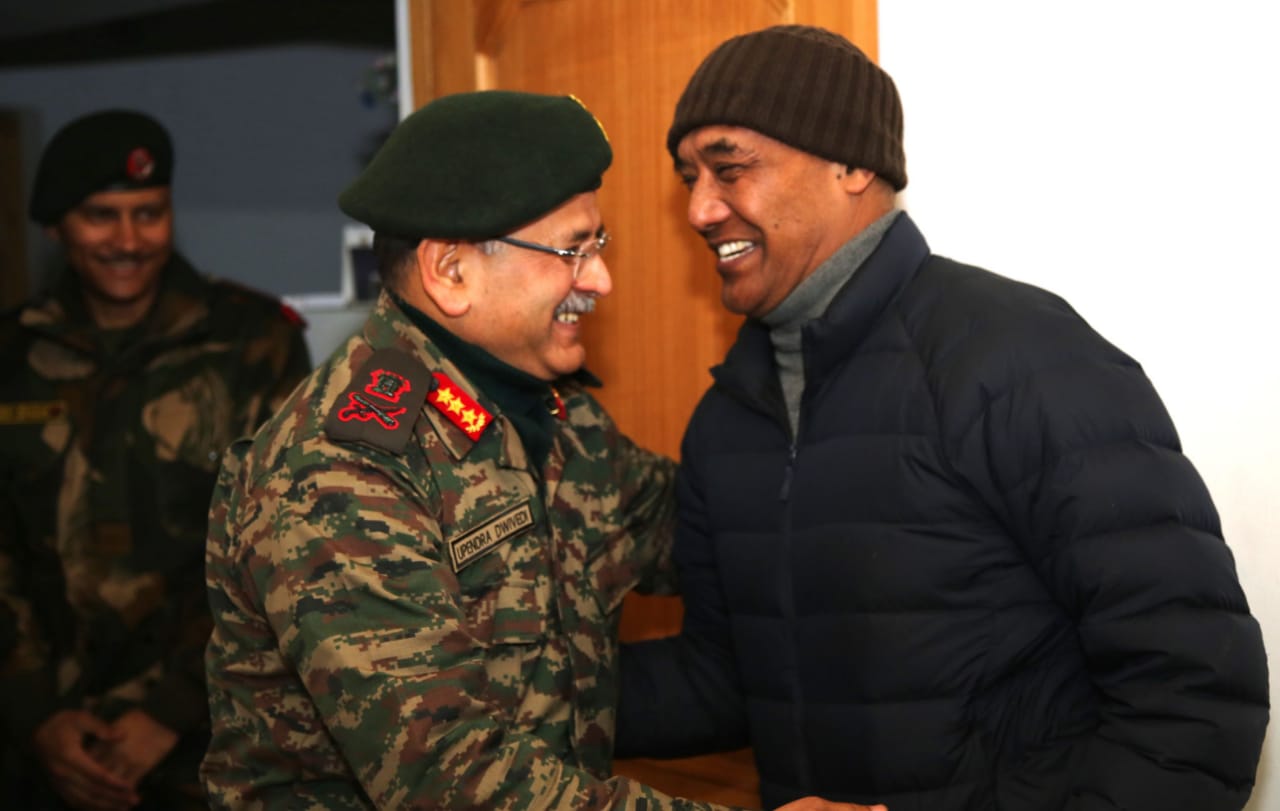
Col Wangchuk clearly belonged to that rare category of soldiers whose presence stayed behind even when he was no longer on active duty. Such officers become part of the regimental culture. They are remembered not because protocol demands it, but because memory insists on it. Their example enters the everyday life of the unit. Young officers hear about them. Veterans speak of them with affection. Their names surface naturally at reunions, in mess conversations, during commemorative events, and in the many quiet moments when soldiers look back and measure what service truly means.
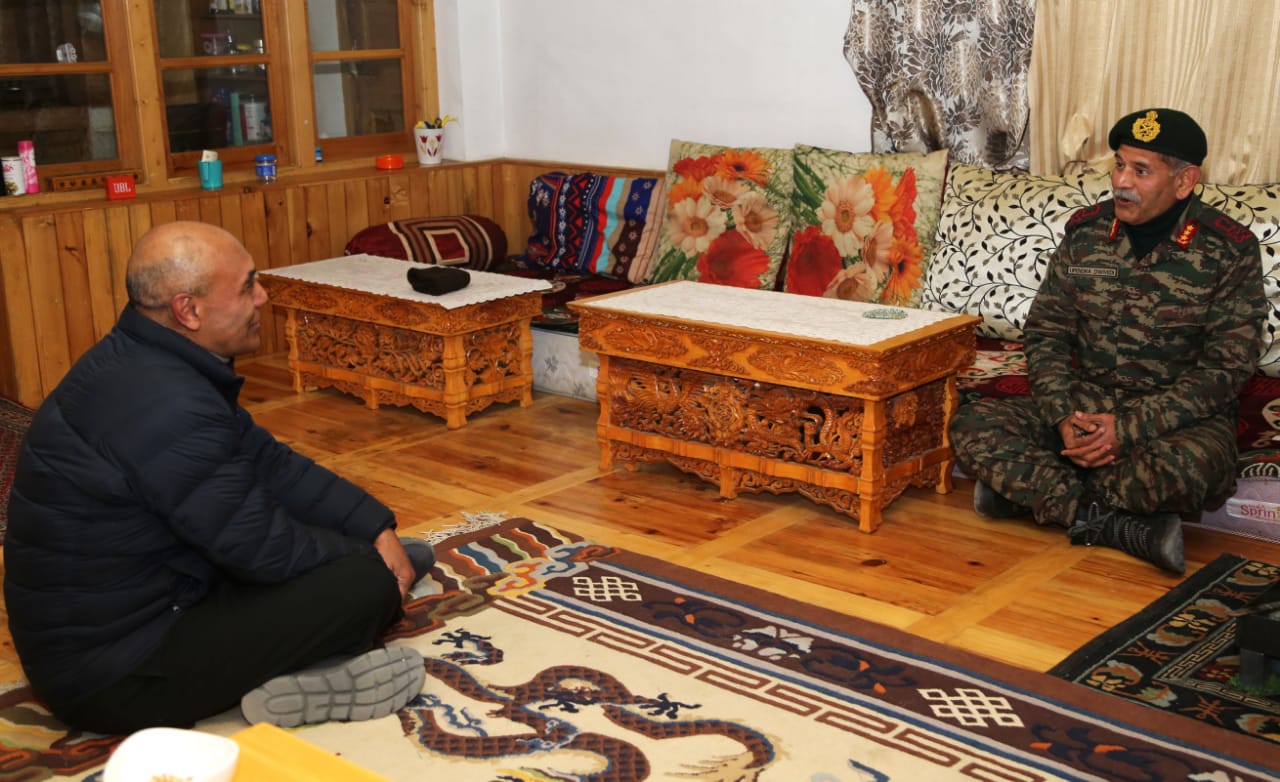
In that sense, Col Wangchuk’s remembrance was never only about rank or decoration. It was about regard. The regard he earned remained alive in the fraternity around him. The Army remembers courage, yes, but it remembers character even more lastingly. Men are honoured for what they did in battle, but they are loved for who they were among their own. The fact that Col Wangchuk continued to be spoken of with such feeling shows that he had crossed that line from being respected to being deeply held in memory.
This kind of remembrance has its own emotional force. It is not loud. It does not need embellishment. It appears in a war cry raised in tribute, in a shared silence at a gathering, in the way former comrades straighten up when recalling him, and in the instinctive tenderness with which his name is spoken. It appears when a regiment remembers that one of its own still belongs to it, even in its absence.
That may be the truest measure of a soldier’s place in Army memory. Not just that he served with distinction, but that long after service ended, he remained part of the living spirit of the institution.
Col Sonam Wangchuk’s life seems to have left exactly that mark. He may no longer walk into a room, greet old comrades, or stand among his men. But in another real sense, he still does. In stories, in tributes, in regimental pride, and in the emotional memory of the Army, he remains in uniform-always.