
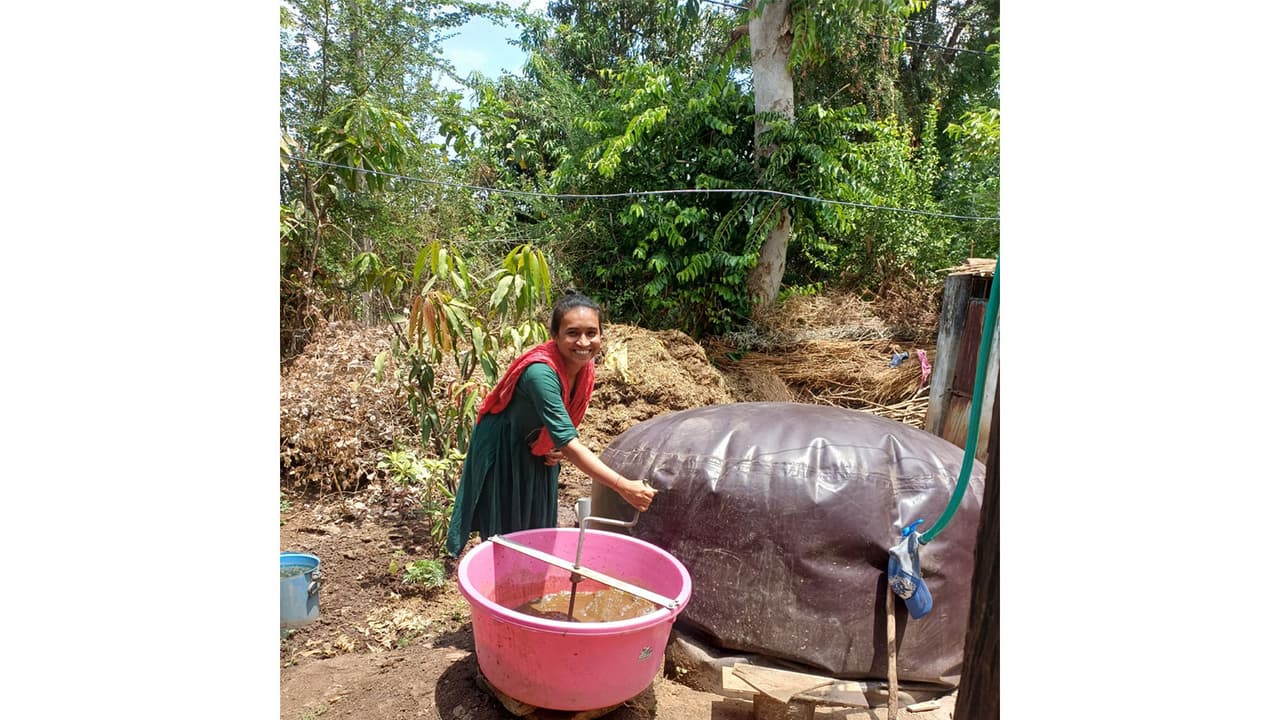
Nearly 1,000 tribal households near the Statue of Unity are being equipped with biogas plants to reduce dependence on LPG and firewood. Inspired by PM Modi's self-reliance vision, over 665 plants have already been installed in Gujarat's Narmada.
In a significant step towards promoting self-reliance in clean cooking fuel, nearly 1,000 tribal households across villages surrounding the Statue of Unity at Ektanagar are being equipped with individual biogas plants.
According to a press release by Gujarat CMO, the initiative, inspired by Prime Minister Narendra Modi's vision of Aatmanirbharta (self-reliance), aims to reduce dependence on LPG and traditional firewood while ensuring access to clean, sustainable energy in rural households. "The project, announced by the Prime Minister during the Rashtriya Ekta Diwas parade in 2025, is being implemented across 89 villages under 38 Gram Panchayats in Garudeshwar taluka of Narmada district. The project is being implemented by the Garudeshwar taluka panchayat and is being monitored by the District Rural Development Agency (DRDA), Narmada district," the release said.
Beneficiaries Laud Self-Reliance and Clean Fuel
Ravina Tadvi, a resident of Vaghpura village located about 7 km from the Statue of Unity, shares how the initiative has transformed her daily life. "We no longer worry about LPG cylinders. After the installation of the biogas plant, we have become self-reliant for our cooking fuel needs. We get clean fuel every day, and the slurry is also useful in our fields, improving crop yield," she said.
Echoing similar sentiments, local resident Chandu Tadvi highlighted the scheme's impact on women. "Women have benefited the most. Earlier, they had to work in the fields and then travel long distances to collect firewood. Cooking with smoke was also harmful. Now, with biogas, they are free from smoke and have become self-reliant in cooking fuel," he said.
Project Progress and Sustainable Impact
So far, more than 665 biogas plants have already been installed in tribal households in the region, while work is underway to complete installations in the remaining 300 households.
The release stated that with this project, tribal families receive the dual benefits of clean fuel and biogas slurry, which can be used as organic manure in farming. With the project progressing at a rapid pace, the initiative stands as a model of sustainable rural development, reducing dependence on conventional fuels, improving health conditions, and reinforcing the vision of self-reliant villages, the release added.
(Except for the headline, this story has not been edited by Asianet Newsable English staff and is published from a syndicated feed.)