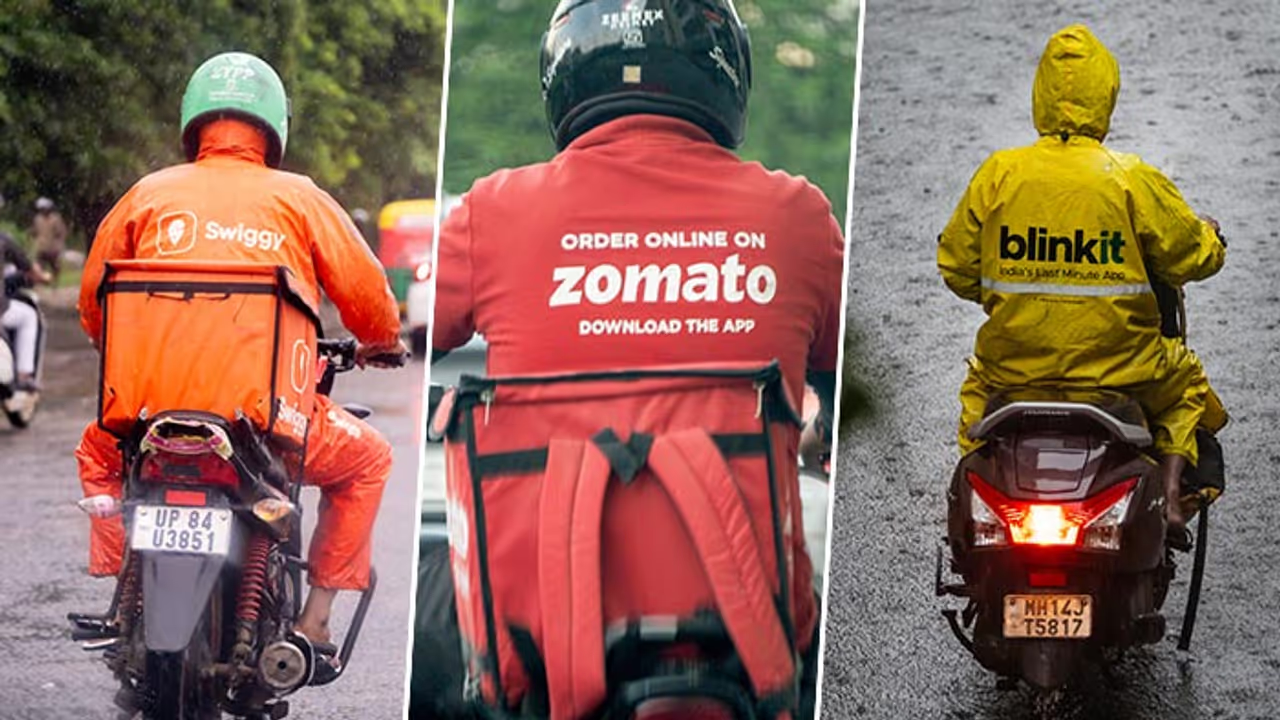
The Indian government is compelling quick-commerce firms like Blinkit and Swiggy to stop promoting "10-minute delivery" over concerns for worker safety. This follows a major strike by riders protesting immense pressure and hazardous conditions.
For millions of Indians, groceries arriving before the kettle even boils feels normal now. But behind this magic of speed lies a growing crisis and the government has finally decided it's time to hit the brakes.
Over the past month, Union Labour Minister Mansukh Mandaviya has reportedly been quietly meeting India's biggest quick-commerce players, asking them to stop promoting "10-minute delivery" altogether. The message is clear: protecting gig workers matters more than delivering milk in record time.
The Silent Warning That Shook the Industry
Blinkit, Zepto, Zomato and Swiggy were all nudged by the labour ministry to rethink how they market ultra-fast delivery.
Related Articles

Several companies have reportedly agreed to remove the 10-minute branding. Others are expected to follow. This development comes after a nationwide flash strike on New Year's Eve, when over two lakh delivery riders refused to accept orders, demanding safer working conditions, fair pay and an end to extreme delivery promises.
How India Became Addicted to Speed
The story began during COVID lockdowns, when everything had to be delivered. While similar quick-commerce models collapsed in the US, India did the opposite.
Dark stores popped up in every neighbourhood. Groceries, pillows, chargers, even medicines all promised at lightning speed. Traditional retail giants soon joined the race, and the country was hooked.
Today, real estate experts predict that dark stores will triple by 2030. But this speed revolution has been built on exhausted backs.
"We Are Not Machines": What Riders Are Facing
Apps say riders aren't under pressure. Riders say otherwise.
Missed timelines show up as:
- Poor ratings
- Angry calls from supervisors
- Monetary penalties
All of this happens on India's chaotic roads, narrow lanes, reckless traffic and pollution levels that would scare most people away.
One delivery partner summed it up simply: "The timer may not be on our screen, but it's always in our head."
CEOs Defend the Model. But, the Numbers Tell Another Story
Zomato co-founder Deepinder Goyal insists speed is driven by infrastructure, not pressure. He says riders travel only about 2 km per order and earn around Rs 21,000 a month if they work full-time.
But here's the uncomfortable truth. The average Zomato delivery worker logs just 38 days of work in a year. Only 2.3% stay active for more than 250 days.
The Revolving Door No One Talks About
Millions join delivery apps every year. Millions quietly leave.
There's always someone new ready to take the next order, keeping the system running even when individuals are burned out. This endless supply of labour hides the cracks but it doesn't heal them.
Why Investors Are Starting to Worry
This labour unrest is spooking markets. Since October last year, shares of Swiggy and Eternal (Zomato-Blinkit parent) have dropped nearly 20%. The fear is simple: If riders slow down or regulations tighten, the fragile business model of quick commerce may not survive.
What This Means for Your Next Order
You may still get your groceries fast. But you probably won't see "10 minutes guaranteed" flashing on your screen anymore. The government is not killing convenience. It is trying to save the people who make it possible.