
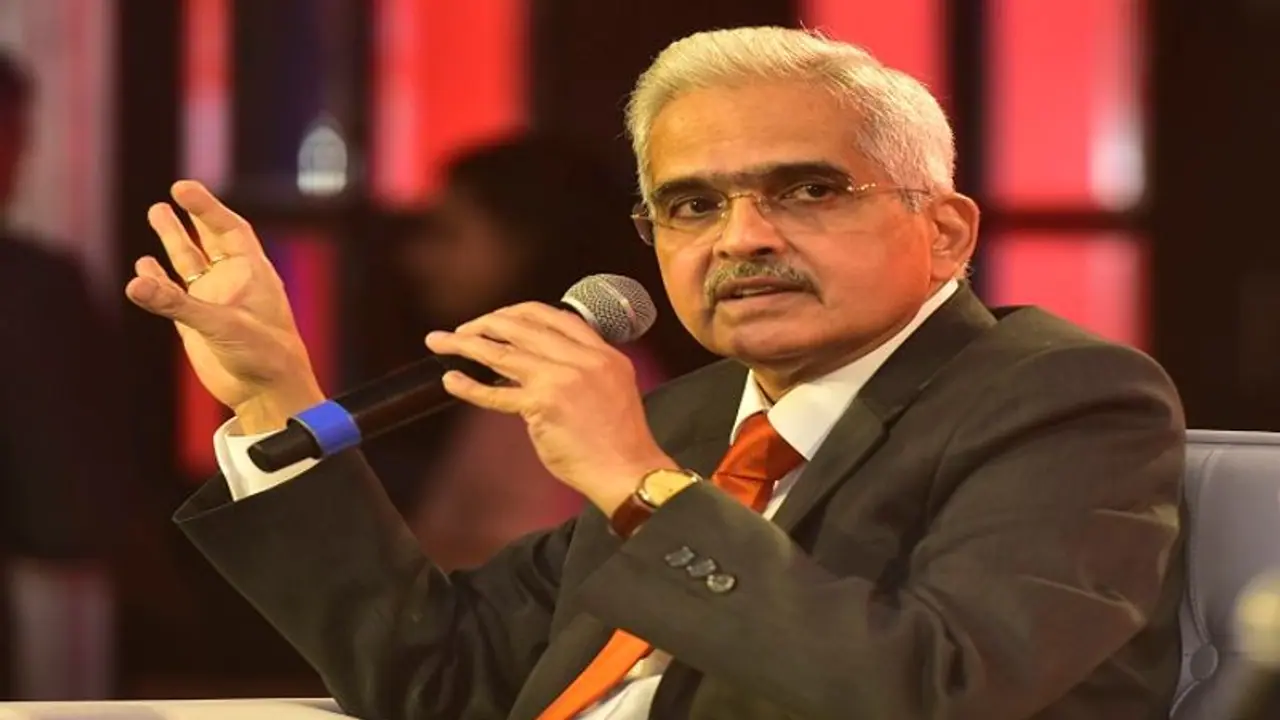
On the rupee, Das said the RBI did not have a level for the currency in mind and it was focused on curbing volatility. The 67 per cent decline in foreign exchange reserves, he said, was due to valuation impact and that the war chest remains robust.
Home, auto and other loan EMIs are set to rise further after the RBI on Friday raised the key interest rate by 50 basis points, the fourth straight increase since May, with more hikes expected to rein in inflation. The monetary policy committee (MPC), comprising three members from the RBI and three external experts, raised the key lending rate or the repo rate to 5.90 per cent - the highest since April 2019 - with five out of the six members voting in favour of the hike.
Since the first unscheduled mid-meeting hike in May, the cumulative increase in interest rate now stands at 190 basis points and mirrors similar aggressive monetary tightening in major economies around the globe to contain runaway inflation by dampening demand.
Also read: Cities will shape country's destiny, ensure that India becomes developed nation in 25 years: PM Modi
The MPC also decided by a majority of 5 out of 6 members to remain focused on the withdrawal of the accommodative policy stance to ensure that inflation remains within the target going forward, while supporting growth, said RBI Governor Shaktikanta Das.
"The inflation trajectory remains clouded with uncertainties arising from continuing geopolitical tensions and nervous global financial market sentiments," he said. "If high inflation is allowed to linger, it invariably triggers second-order effects."
The rise in repo rates would translate into higher borrowing costs for corporates and individuals. Pledging to "remain alert and nimble" and data-dependent, he said "calibrated action" will be taken to shield the economy amid fears of a global recession.
Also read: 'No VIP culture in Modi era': PM Modi stops convoy to make way for an ambulance in Gujarat
"In this backdrop, MPC was of the view that persistence of high inflation, necessitates further calibrated withdrawal of monetary accommodation to restrain broadening of price pressures, anchor inflation expectations and contain the second-round effects. This action will support the medium-term growth prospects of our economy," he said.
He said the current policy rate, adjusted for inflation, was still below 2019 levels. The RBI cut its economic growth outlook for FY23 to 7 per cent from 7.2 per cent previously, while keeping its 6.7 per cent forecast on inflation.
Consumer price index-based inflation accelerated to 7 per cent in August, driven by a surge in food prices, and has stayed above the RBI's mandated 2-6 per cent target band for eight consecutive months.
Rumki Mujumdar, economist, Deloitte India, said inflation is expected to remain high even though supply-side constraints will likely ease.
On the rupee, Das said the RBI did not have a level for the currency in mind and it was focused on curbing volatility. The 67 per cent decline in foreign exchange reserves, he said, was due to valuation impact and that the war chest remains robust.
Das said the world has witnessed two major shocks in the last two and half years - the COVID-19 pandemic and the conflict in Ukraine.
