
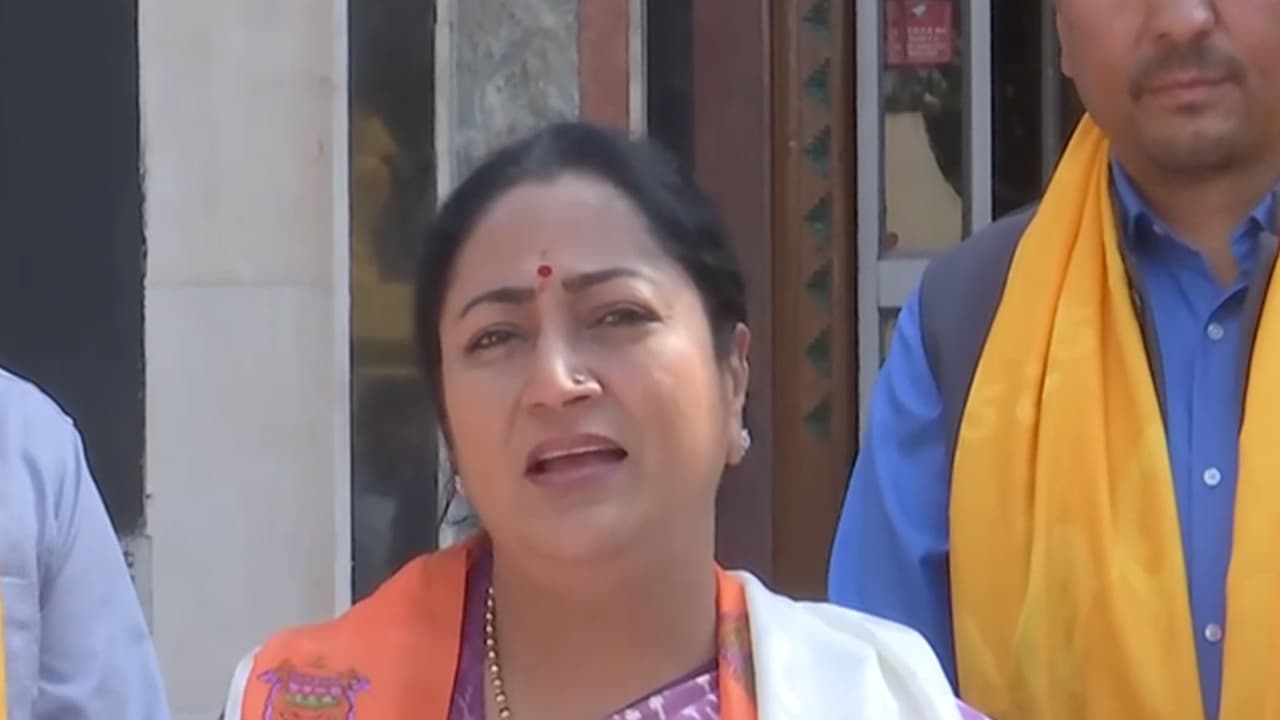
Delhi CM Rekha Gupta announced that PM Modi will inaugurate two new Delhi Metro corridors and lay the foundation for three more on March 8. The expansion aims to transform connectivity, promote clean transport, and reduce pollution in the capital.
Delhi Chief Minister Rekha Gupta on Saturday said the continuous expansion of the Delhi Metro network will transform connectivity in the national capital and give a major push to clean public transport.
The Chief Minister said Prime Minister Narendra Modi will inaugurate two new Metro corridors and lay the foundation stone for three additional corridors in Delhi on March 8. Gupta said the projects will mark a significant step towards faster, smoother and environmentally friendly public transport in the capital while reducing pressure from private vehicles on roads and helping control pollution.
New Corridors to be Inaugurated
According to the Chief Minister, the Prime Minister will inaugurate two Metro corridors -- the Majlis Park-Maujpur-Babarpur section of the Pink Line and the Deepali Chowk-Majlis Park section of the Magenta Line. With the opening of the Majlis Park-Maujpur-Babarpur stretch, the total length of the Pink Line will reach about 71.56 km, making Delhi the country's first fully operational "Ring Metro". The corridor is expected to improve connectivity between North-East and North-West Delhi and reduce travel time across several parts of the city.
Gupta added that the Deepali Chowk-Majlis Park corridor is an extension of the Magenta Line, which will expand the line's total length to around 49 km. The extension will further integrate several residential and commercial areas with the Metro network.
Upcoming Corridors under Phase-V (A)
The Chief Minister said the Prime Minister will also lay the foundation stone for three new Metro corridors under Phase-V (A) of the network. These include the Ramakrishna Ashram Marg-Indraprastha Central Vista corridor, the Aerocity-Indira Gandhi Airport Terminal-1 corridor, and the Tughlakabad-Kalindi Kunj corridor. She said once completed, these corridors will significantly enhance connectivity between administrative, residential and commercial areas of Delhi while providing faster access to the airport.
Boosting Connectivity for NCR
Gupta said the projects will benefit not only Delhi but also commuters from cities across the National Capital Region (NCR).
Residents of Faridabad and Ballabhgarh will be able to reach Tughlakabad via the Violet Line and then travel directly to Indira Gandhi Airport Terminal-1 through the Golden Line. Similarly, commuters from Noida will be able to reach Kalindi Kunj via the Magenta Line and then travel conveniently to the airport and South Delhi through the Golden Line.
Financial Push for Public Transport
Highlighting the Delhi government's focus on public transport, Gupta said ₹9,110 crore has been allocated to the Transport Department in the 2025-26 budget, nearly 60 per cent higher than last year's ₹5,702 crore allocation. Out of this, ₹2,929 crore has been earmarked to accelerate Metro projects in the capital.
Aligning with a 'Viksit Bharat' Vision
Gupta said the expansion of the Metro network aligns with the Prime Minister's vision of creating a modern, integrated and environmentally friendly transport system, which will help make Delhi a world-class city and strengthen the goal of a "Viksit Bharat". (ANI)
(Except for the headline, this story has not been edited by Asianet Newsable English staff and is published from a syndicated feed.)