
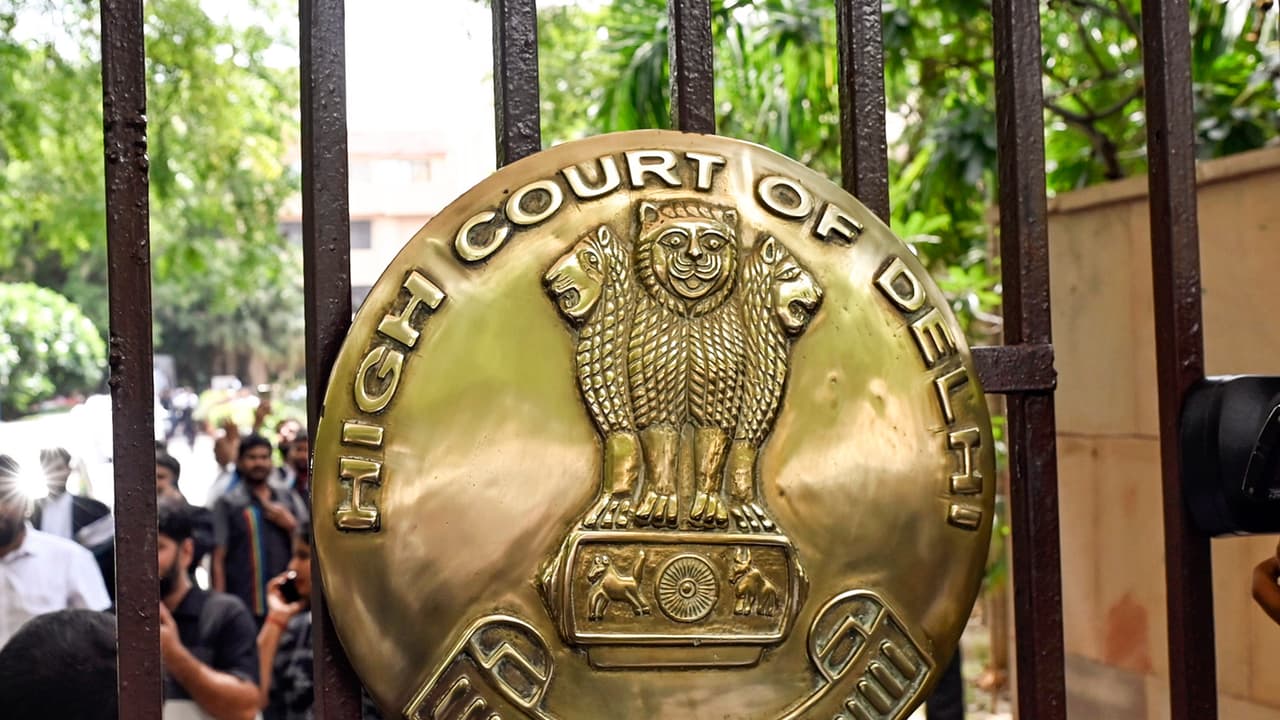
The Delhi High Court has directed the Centre to decide within two months on a plea by the Indian Professional Nurses Association (IPNA) regarding the delay in constituting the National Nursing and Midwifery Commission (NNMC).
The Delhi High Court has directed the Centre to take a decision within two months on a plea by the Indian Professional Nurses Association (IPNA) highlighting the continued non-constitution of the National Nursing and Midwifery Commission (NNMC), despite the statutory framework coming into force and the government having invited applications for its members and office-bearers more than two years ago.
Justice Swarana Kanta Sharma, while disposing of the petition filed through advocate Robin Raju, directed that the writ petition itself be treated as a representation by the nurses' body and ordered the respondents to decide it within two months, with intimation to the petitioner. The court also granted IPNA liberty to approach it again through a fresh writ petition if it remains aggrieved by the decision.
Petition Highlights Delay in NNMC Constitution
The direction assumes significance as the court's order records that the National Nursing and Midwifery Commission Act, 2023 was enacted to replace the erstwhile Indian Nursing Council and establish a statutory regulatory framework for nursing and midwifery education, training and professional practice across the country.
According to the petition, the Act and the rules framed under it came into force in February-March 2024. The Centre subsequently issued a notice on March 14, 2024 inviting applications for appointment of members and office-bearers of the NNMC and its various boards. However, the association approached the High Court claiming that despite the legislative framework being brought into force and the selection process being initiated, the NNMC has still not been constituted.
The High Court, in its order, specifically recorded the petitioner's contention that the Commission had not been constituted and that the existing Indian Nursing Council continued to discharge regulatory functions despite the statutory framework providing for its replacement. IPNA also relied upon an RTI response dated July 7, 2026, which, according to the petition and as recorded by the court, categorically confirmed that no appointments to the NNMC had been made till then.
The association had therefore sought a direction to the Centre to take immediate and effective steps for constitution of the NNMC and appointment of its members and office-bearers in accordance with the 2023 Act, without any further delay. The plea argued that the continued delay was particularly concerning because the new law was intended to replace the existing regulatory structure and bring nursing and midwifery under a new statutory commission.
Other Regulatory Concerns Raised
IPNA also alleged that the prolonged delay was affecting the interests of nurses and the regulatory framework governing the profession. Apart from the constitution of the NNMC, the petition raised several concerns about the functioning of the existing Indian Nursing Council, including the Nurses Registration and Tracking System (NRTS), grievance redressal mechanisms and enforcement of regulatory requirements. The association had also placed before the court concerns relating to the alleged continuation of practices such as bonds and demands for original documents by nursing institutions, as well as the need for effective regulatory oversight.
Court's Direction and Future Course
While the High Court did not examine these allegations on merits at this stage, its direction gives the petitioner a time-bound administrative remedy. Instead of leaving the representation pending, the court has required the respondents to take a decision within a fixed period of two months.
The petition had sought three principal reliefs: constitution and implementation of the NNMC under the 2023 Act, production of records concerning the appointment process and expediting the appointments in a time-bound manner, or alternatively, consideration of IPNA's July 20, 2026 representation in accordance with law. The High Court disposed of the petition with the two-month direction, while expressly preserving IPNA's right to return to the court if it has any further grievance.
(Except for the headline, this story has not been edited by Asianet Newsable English staff and is published from a syndicated feed.)