- Home
- World
- Tsunami Warnings After Russia's 8.8 Earthquake Revive Memories of 2004 Indian Ocean Disaster When 2,30,000 Died
Tsunami Warnings After Russia's 8.8 Earthquake Revive Memories of 2004 Indian Ocean Disaster When 2,30,000 Died
After the massive 8.8 earthquake near Russia's Kamchatka, global tsunami alerts echo fears from the 2004 Indian Ocean tsunami. Nearly at least 230,000 lives were lost then.
A wave that shocked the world
The 2004 tsunami was one of the deadliest natural disasters ever recorded. On December 26, 2004, a 9.1-9.3 magnitude earthquake struck off Sumatra, Indonesia.
20 YEARS AGO ON THIS DAY...
Dec 26, 2004: Tsunami wave hits Kanyak & Sri Lanka.
A massive undersea earthquake triggered a #Tsunami on Sri lanka 's eastern coast Claiming 35,000+ lives, injuring thousands & causing widespread destruction.#Tsunami2004pic.twitter.com/V5tuOfv5Uk— Weather Monitor (@WeatherMonitors) December 26, 2024
It triggered a massive tsunami that swept across the Indian Ocean in minutes. Waves reached up to 30 meters high and traveled at 800 km/h. It killed more than 230,000 people across 14 countries.
Towns were erased, families were torn apart, and coastlines changed forever. The scale of destruction was beyond imagination.


No warning, no time to escape
Many victims had no idea a tsunami was coming, and that too a powerful, devastating one!
In 2004, there was no tsunami warning system in the Indian Ocean. Most people were caught completely off guard. Families were out for walks or working near the coast. Within minutes of the quake, deadly waves struck without warning. People couldn’t flee fast enough. This tragedy showed the urgent need for early warning systems.
Marina Beach: From calm to chaos
One of India’s busiest beaches turned unrecognizable. Marina Beach in Chennai was hit hard. The quiet morning turned deadly as giant waves rolled in. Cars, boats, and even people were dragged out to sea. The sea flooded homes and streets within minutes. Witnesses said the water came in like a wall, fast and furious. It left behind wreckage and heartbreak.
Remote islands faced the worst
The Andaman and Nicobar Islands were cut off and crushed. Isolated and exposed, these islands were some of the first to be hit. Whole villages vanished. Communications broke down completely. Help couldn’t reach for days. The Car Nicobar Air Force base was destroyed. Survivors lived in fear, hungry and injured, waiting for rescue.
Tamil Nadu and Kerala: Coastlines flattened
Southern India faced heartbreaking losses. In Tamil Nadu, places like Nagapattinam saw thousands die. Fishermen’s homes were destroyed. Families searched for children and parents in the rubble. In Kerala, entire coastal villages were underwater. Survivors clung to trees and roofs, praying for help. Many had never seen the sea act like this before.
A global wake-up call
The disaster led to major changes in disaster response worldwide. The shock from 2004 led to quick action. Countries formed the Indian Ocean Tsunami Warning System in 2006. Coastal evacuation drills, sirens, and alerts became common. The world realized nature can’t be controlled, but preparation can save lives. Today, when tsunami warnings are issued as with the Russia quake, the goal is to prevent another 2004 disaster.
Relief came, but slowly
Millions needed help, but reaching them was a struggle. After the tsunami, many areas were destroyed or unreachable. Aid groups rushed in, but damaged roads, flooded fields, and blocked airports slowed them. First responders worked nonstop. Nations like India, the US, Japan and Australia sent supplies. Still, survivors went days without clean water or shelter.
From sorrow came solidarity
People around the world gave like never before! Donations flooded in. Red Cross and other NGOs raised billions in a matter of weeks. Celebrities gave time and money. Entire countries joined hands in the biggest relief effort ever seen. India sent its Navy to Sri Lanka. Villagers in Europe held fundraisers. This was humanity at its best, responding to tragedy.
Building back, brick by brick
Reconstruction took years, but it brought hope! In Indonesia’s Aceh province, the worst-hit area, whole towns were rebuilt. In India, thousands of homes and schools were restored. Special focus was given to coastal communities and fishermen. The rebuilding phase also brought peace: a long civil war in Aceh ended, partly due to shared suffering and cooperation.
Memorials now stand as a reminder and a warning.
From Aceh to Chennai, monuments mark where waves struck. Museums, like the Aceh Tsunami Museum, teach people what to do if disaster strikes again.
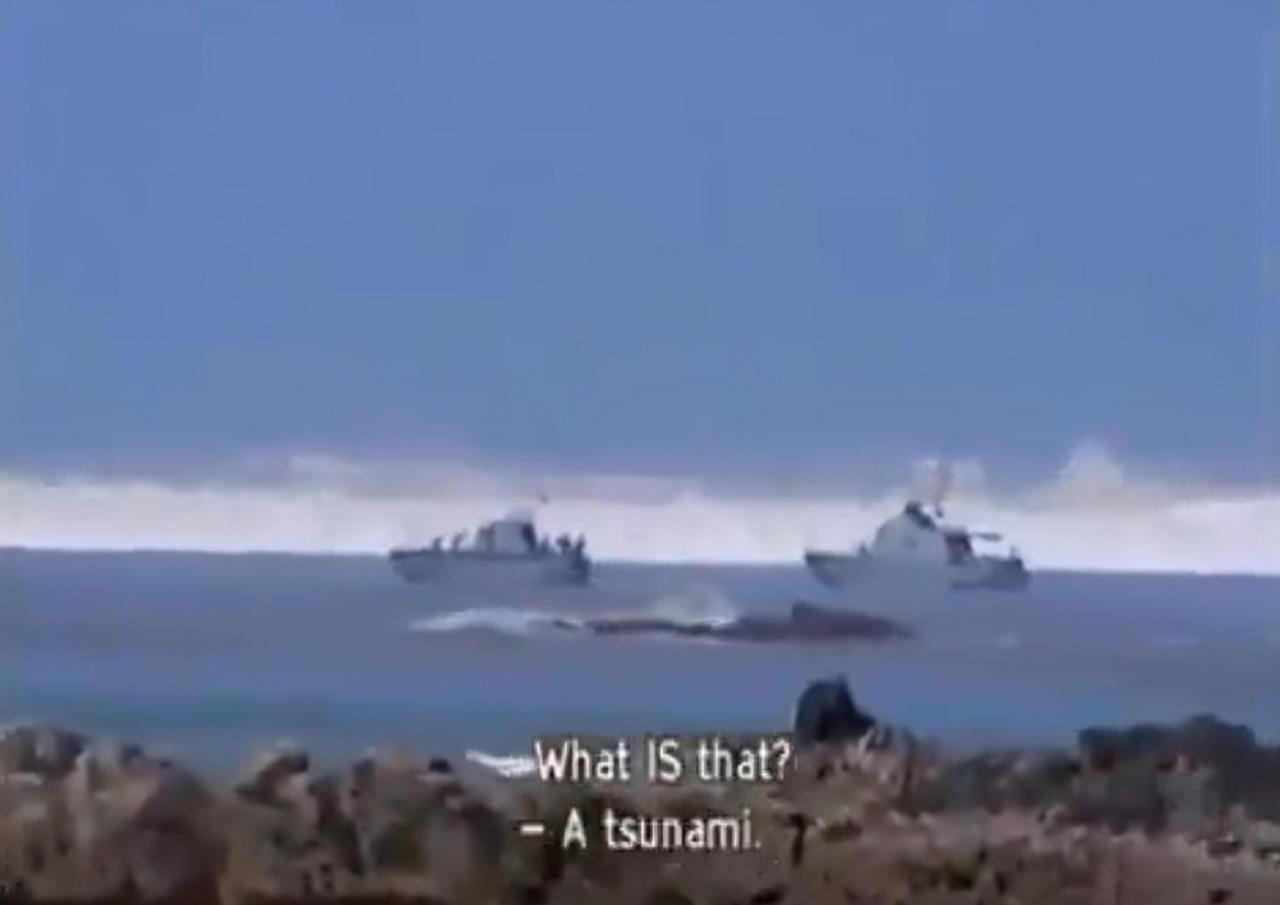
Tourist films huge tsunami waves from his hotel balcony during the 2004 Indian Ocean tsunami. The earthquake that triggered the tsunami was the most powerful earthquake ever recorded in Asia. Nearly 230,000 people perished.
In Indonesia's Aceh province in Northern Sumatra, the… pic.twitter.com/t8mrizEoMk— Morbid Knowledge (@Morbidful) May 18, 2024
Every December 26, countries hold moments of silence. The Russia 2025 quake reminds us: the ocean can turn deadly without warning. Stay alert. Be prepared.
Check the Breaking News Today and Latest News from across India and around the world. Stay updated with the latest World News and global developments from politics to economy and current affairs. Get in-depth coverage of China News, Europe News, Pakistan News, and South Asia News, along with top headlines from the UK and US. Follow expert analysis, international trends, and breaking updates from around the globe. Download the Asianet News Official App from the Android Play Store and iPhone App Store for accurate and timely news updates anytime, anywhere.