- Home
- Lifestyle
- Annakut 2026: Why Families Prepare Mountain of Dishes for Lord Krishna on Govardhan Puja
Annakut 2026: Why Families Prepare Mountain of Dishes for Lord Krishna on Govardhan Puja
Annakut tradition brings food and devotion together during Govardhan Puja. Devotees prepare a variety of dishes and offer them to Lord Krishna, recalling the story of his lifting Govardhan Hill to protect the people of Braj from heavy rain.
Why Annakut turns Govardhan Puja into a feast of gratitude
As Diwali approaches, homes and temples across India prepare for more than lamps, sweets and fireworks. In many Hindu traditions, celebrations in homes across the country continue with Govardhan Puja, when devotees offer food to Lord Krishna. The offering is called Annakut, a Sanskrit-derived word meaning 'a mountain of food'. It is one of the festival’s most striking food traditions today.


The story behind the mountain
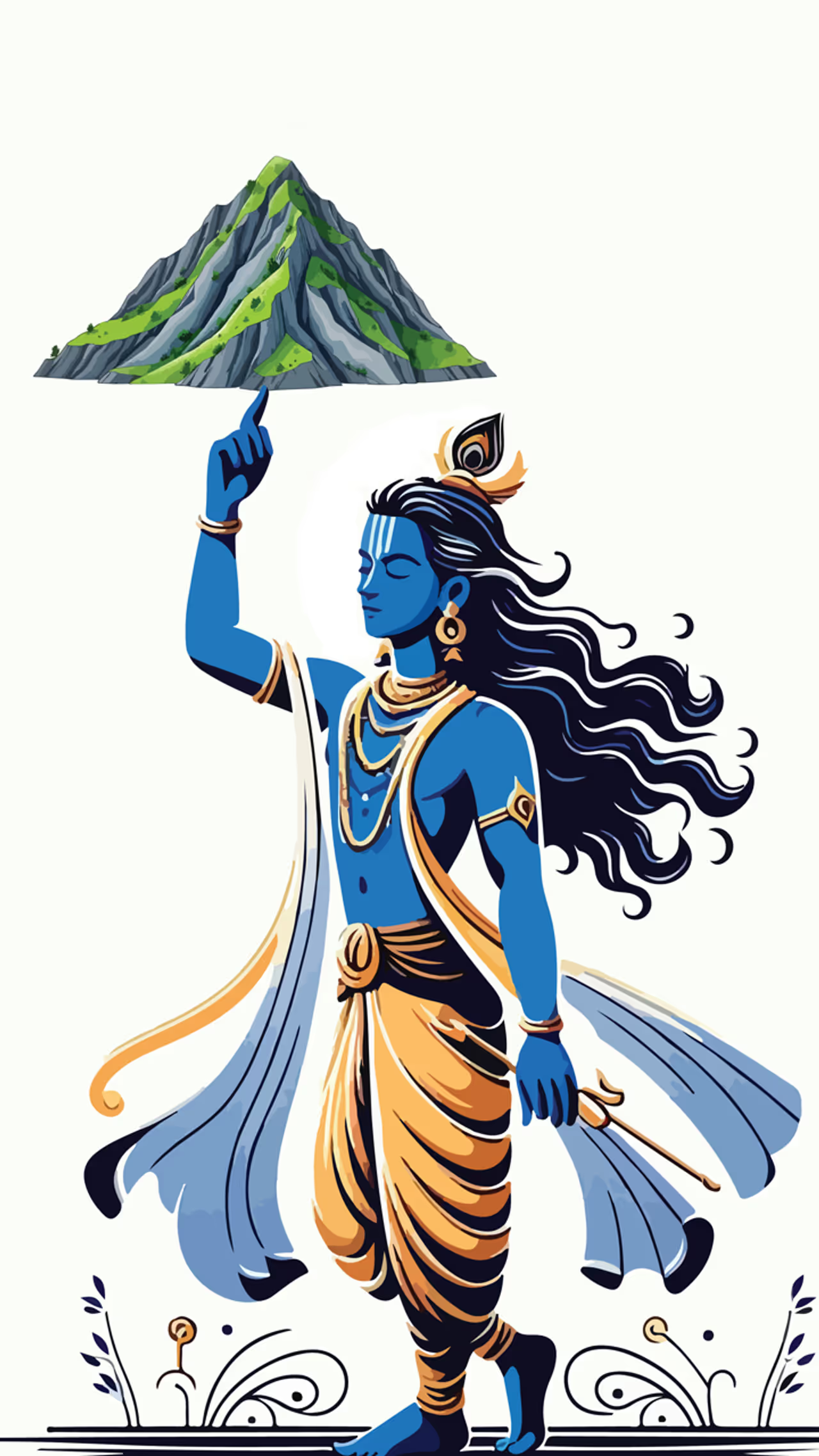
According to the story, people in Braj once worshipped Indra, the god of rain, hoping for good weather and crops. Krishna asked them to honour Govardhan Hill instead, as it supported their lives by providing grass, water and resources for cattle and the community.
Indra became angry and sent heavy rain to the region. Krishna is believed to have lifted Govardhan Hill on his little finger, sheltering the people and their animals beneath it until the storm passed. The story is remembered as a lesson in humility, gratitude and the importance of nature, rather than pride in power.
Why food is offered to Krishna
Annakut is prepared as an expression of gratitude for food and resources that sustain life. Devotees offer dishes to Krishna, often arranging them in tiers or piles that resemble a hill. The spread may also include cooked vegetables, lentils, rice, breads, sweets, savoury snacks and seasonal preparations.
There is no single menu followed by every household or temple. Dishes differ according to region, family tradition and available ingredients. In some temples, the offering is elaborate, with dozens or even hundreds of preparations. In homes, a smaller selection of cooked food can carry the same spirit of devotion.
The tradition is also known as Govardhan Puja because devotees worship Govardhan Hill and remember Krishna’s protection of the people of Braj. In some places, a symbolic hill is made using cow dung, decorated with flowers and worshipped. Cows may also be honoured, reflecting their place in traditional rural life.
A festival built around sharing
The food offered during the puja is treated as prasad after the ritual and distributed among devotees and visitors. This turns the offering into a communal meal, rather than a display meant only to be admired. Preparing dishes together can bring family members into the celebration, with generations contributing recipes and helping with the cooking.
The idea has a meaning beyond religious practice: food is not simply something to consume, but something to respect and share. Annakut links devotion with gratitude for farmers, animals, water, soil and the hands involved in bringing a meal to the table.
When is Govardhan Puja in 2026?
For New Delhi, one widely used panchang lists Govardhan Puja and Annakut on Tuesday, November 10, 2026. Dates may vary by location and local panchang calculations. In this calendar, the festival falls two days after Diwali because of the lunar tithi.
For many families, the ritual is a chance to carry the festive spirit beyond Diwali night. The lamps may be put away and celebrations may become quieter, but the meal at the centre of Annakut keeps the season’s message alive: give thanks for what sustains you, and make sure there is enough to share.
Explore the latest Lifestyle News covering fashion, wellness, travel, Food and Recipes, and more. Stay updated with trending Health News, fitness tips, and expert insights to inspire your daily living. Discover personalized lifestyle trends that keep you stylish and informed. Download the Asianet News Official App from the Android Play Store and iPhone App Store for everything that adds value to your everyday life.