Eating Leftover Rice? Know Surprising Health Benefits and Hidden Risks Revealed
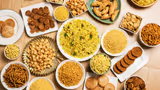
Leftover rice is common in many homes, but few know its health effects. While it offers some surprising benefits, it can also pose risks if not stored or reheated properly.
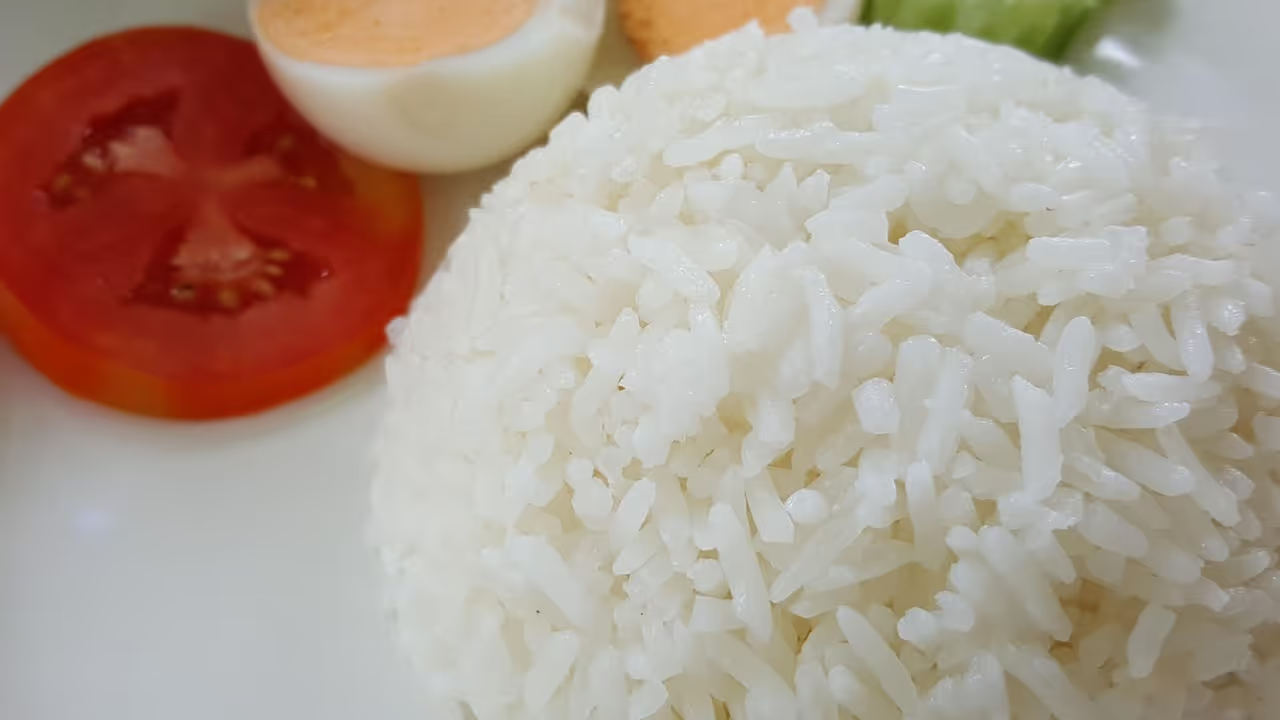
Is it safe to eat leftover rice?
Often, rice is leftover at home. Most people eat it the next day. But is it safe? The answer is yes and no. It's beneficial only if stored right, otherwise it can cause health issues.


Is eating leftover rice beneficial?
Nutrients: Properly stored leftover rice retains carbs, B vitamins, and minerals. Resistant Starch: As it cools, it forms resistant starch, which acts like fiber, feeding good gut bacteria and aiding digestion.
Beneficial for diabetic patients
Blood Sugar Control: Its resistant starch prevents blood sugar spikes, helping those with type 2 diabetes. Weight Management: It keeps you full longer, reducing overeating and aiding weight loss.
Disadvantages of eating leftover rice
Food Poisoning: The biggest risk is food poisoning from improper storage. Bacterial Infections: Rice has Bacillus cereus spores that survive cooking. At room temp, they multiply and create toxins that reheating can't destroy.
Reheating it?
Stomach Cramps: Eating contaminated rice can cause diarrhea, vomiting, and cramps, with symptoms appearing in 1-5 hours. Nutrient Loss: Reheating leftover rice can reduce its water-soluble vitamin content.
Explore the latest Lifestyle News covering fashion, wellness, travel, Food and Recipes, and more. Stay updated with trending Health News, fitness tips, and expert insights to inspire your daily living. Discover personalized lifestyle trends that keep you stylish and informed. Download the Asianet News Official App from the Android Play Store and iPhone App Store for everything that adds value to your everyday life.