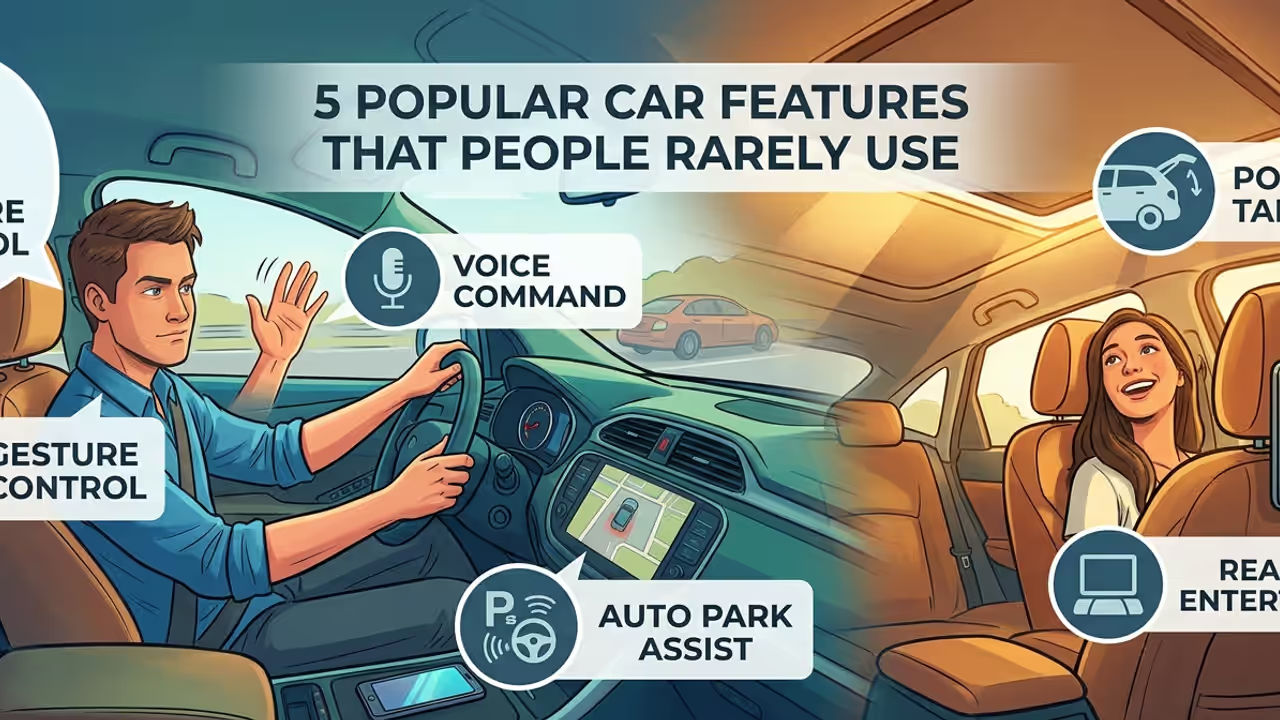
Car dealerships often highlight futuristic, high-tech features to attract buyers, but real-world driving conditions tell a different story. Many of these expensive additions, such as gesture controls and auto park assist, are quickly abandoned due to unreliability or inconvenience.
When people are looking for a new car, dealers try to get their attention with long lists of features, high-tech screens, and futuristic toys. These high-tech features help car companies stand out and look good during a sales pitch, but when you're driving in real life, things like unpredictable traffic, extreme weather, and daily commutes often tell a different story.
Many high-end functions are turned off or forgotten for good after the novelty wears off. This list shows seven common car features that people don't use very often, along with the one feature that everyone loves and keeps people buying cars.
Gesture Control
With just a wave of your hand, you can change the volume of your music, switch between songs, or answer the phone. Things that look great in a store show often act up when you try to drive them. Sensors that don't work consistently often get small hand movements wrong or don't register commands at all. Many owners turn off gesture control and go back to standard touchscreens or buttons on the steering wheel because accidental gestures can change settings while they are driving.
Related Articles

Powered Tailgates
You can get into the boot without using your hands by using a kick sensor or an electric push button. Motorised boot lids work slowly, even though they are helpful when carrying heavy bags. Drivers often worry about sensor errors or the tailboard swinging into low-hanging pipes and walls when parking in a basement or a crowded city area. When owners think about how much it costs to fix small bumps in the back, they miss the speed and control of a manual latch.
Rear-Seat Entertainment Screens
Built-in monitors in the back seats will keep kids and people in the back of the car busy on long drives. The truth is that smartphones and tablets have quickly made dedicated seatback screens useless. People like to use their own devices because they have better screens, more up-to-date apps, and personal media libraries. Screens that come from the factory get old quickly, don't get software updates, and are expensive to fix if they break.
Voice Commands
You can really use your hands-free mode to make calls, change the weather, and navigate without taking your eyes off the road. Voice-recognition software that doesn't work well, different accents, and background noise from the road can cause a lot of mistakes and repeated warnings. Most drivers go back to Apple CarPlay, Android Auto, or physical controls because they are more convenient than having to repeat a destination three times.
Auto Park Assist
The promise is that sonar sensors and automatic turning will make parallel and perpendicular parking possible without using your hands. Automated parking systems only work if places are clearly marked, there is plenty of room between cars, and traffic moves smoothly. In busy cities with few clearly marked parking spots and drivers who can't wait, the system's overly cautious manoeuvring takes too long. Most experienced drivers would rather rely on their own judgement and rearview cameras than the computer.