Think Snakes Are Dangerous? Here’s How These Silent Reptiles Help Protect Humans And Ecosystems
Published : Sep 04, 2026, 12:39 PM IST
Snakes may inspire fear, but they play a vital role in nature. From controlling rodents and pests to supporting food chains, discover how these silent saviors help humans and maintain ecological balance.
15
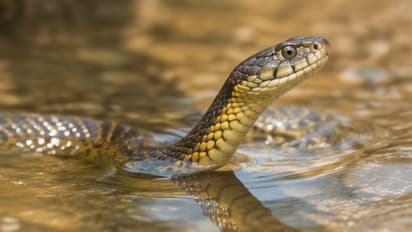
How do snakes protect humans? The real truth behind this strange bond
Whenever we spot a snake near our homes or in fields, our first instinct is to chase it away or kill it. However, snakes are a natural pest control system gifted by nature. They manage the population of rats and other insects, playing a vital role in our environment.
Also read: Bike or Taxi in Goa: Which One Saves Money While Which One Saves You Hassle?
Explore the latest Lifestyle NewsFood and RecipesHealth NewsAsianet News Official App
Read more