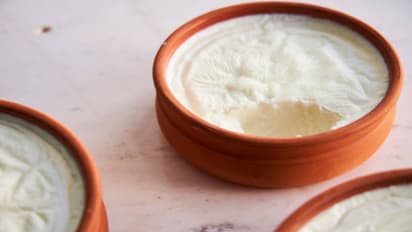
Want thick, creamy curd at home? Discover a traditional leaf-based kitchen trick along with simple tips that can help you get a firmer, better-set homemade curd.
These days, even with expensive milk and no added water, the dahi often turns out watery. But back in our grandmothers' time, they made curd as thick as a cake without any fridges. If you want that same texture, just follow these simple tricks. Adding a few special leaves will make your curd set thick and taste delicious. Let's find out how.
The stem of a green chilli helps set curd really thick. For this, add two green chillies, stems and all, to lukewarm milk along with your starter curd. The stems contain suspensory enzymes and natural Lactobacillus bacteria, which help thicken the milk. Don't worry, this won't make your curd spicy at all. Just remove the chillies once the curd has set.
When setting milk, place a washed betel leaf with its stem on top and cover it. The leaf controls extra moisture and also stops the curd from turning sour too fast. This gives you thick, sweet, and fragrant dahi. In the old days, if starter curd wasn't available, people used a clean Peepal or Banyan leaf stem. They would dip it in lukewarm milk overnight, and the leaf's natural plant enzymes would turn it into perfect, thick curd by morning.
During summer, curd can get watery and sour very quickly. To prevent this, our grandmothers would add a small neem twig to the pot. This keeps the curd fresh and thick for longer.
Also, remember these rules: an earthen pot works best as it absorbs water, making the curd thicker. Once you've set the curd, don't move the pot for 6 to 8 hours. And make sure the milk is just lukewarm—warm enough to dip your finger in. Try these old-school tricks for perfect, cake-like curd!