
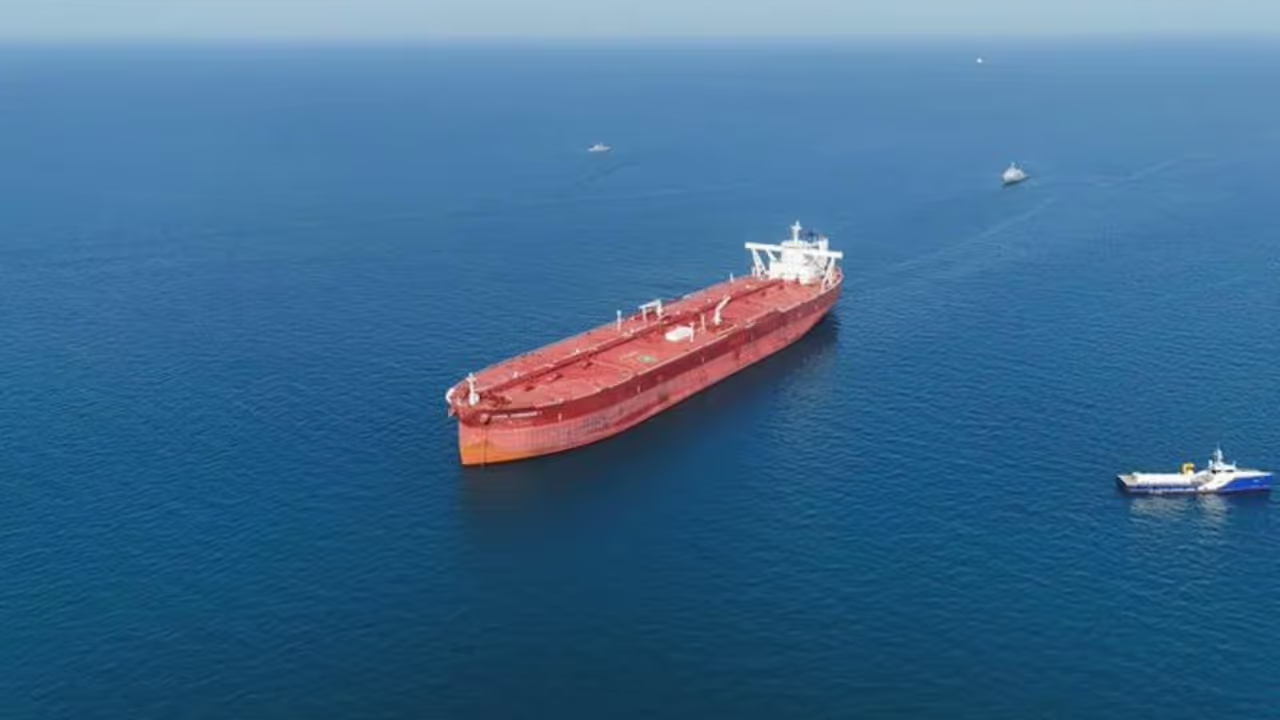
An Indian-flagged tanker was intercepted by Iranian naval forces in the Strait of Hormuz and ordered to reverse course, highlighting growing volatility in the critical shipping lane. The incident occurred amid heightened regional tensions, prompting India to diplomatically express deep concern to Iran over the safety of its merchant ships.
A fresh maritime flashpoint has emerged in the Strait of Hormuz after an Indian-flagged tanker was reportedly intercepted by Iranian naval forces and ordered to reverse course, underscoring the growing volatility in one of the world’s most critical shipping lanes.
According to reports, the vessel was attempting to transit the narrow waterway when Iranian personnel contacted the ship and instructed it to stop moving forward. Video and radio communication from the tense encounter have since surfaced online, revealing the alarming exchange between the crew and Iranian forces.
In the audio, an Iranian voice can reportedly be heard warning the ship: “Turn around immediately.” The tanker was then forced to abandon its planned route through the strategic passage linking the Persian Gulf to the Arabian Sea.
The incident comes amid heightened military tension in the Gulf region, where Iranian patrol vessels have increased monitoring of commercial traffic following renewed geopolitical strain involving Tehran, Washington and regional allies. The Strait of Hormuz remains vital because nearly 20 percent of the world’s oil trade passes through the narrow corridor, making any disruption a major concern for global markets.
Indian authorities are closely tracking developments after two India-linked vessels reportedly came under pressure while attempting to cross the strait. One of the affected ships was identified as the Sanmar Herald, whose crew had earlier issued a distress message after warning shots were allegedly fired nearby. In that recording, a crew member said: “You gave me clearance to go. My name is second on your list. You are firing now. Let me turn back.”
Officials said no injuries were reported and neither vessel suffered visible damage, but both ships altered course after the confrontation. India has since raised the matter diplomatically, summoning the Iranian envoy and expressing “deep concern” over the safety of Indian merchant ships navigating the region.
The latest incident has reignited fears over the security of international shipping in the Gulf, where commercial vessels are increasingly being caught in wider geopolitical tensions. Maritime analysts say the standoff highlights how quickly civilian shipping can become vulnerable when military messaging changes without warning.
As tensions remain high, shipping operators and governments are expected to review transit plans through the Strait of Hormuz, a route that remains central to both India’s energy security and global trade stability.
Also Read: ‘Far From Final Deal’: Iran-US Talks Hit Fresh Roadblock Before Ceasefire Deadline
