The situation has sparked international concern, with protests in India demanding accountability. The govt claims to be taking action, while high communal tensions persist, straining public confidence.
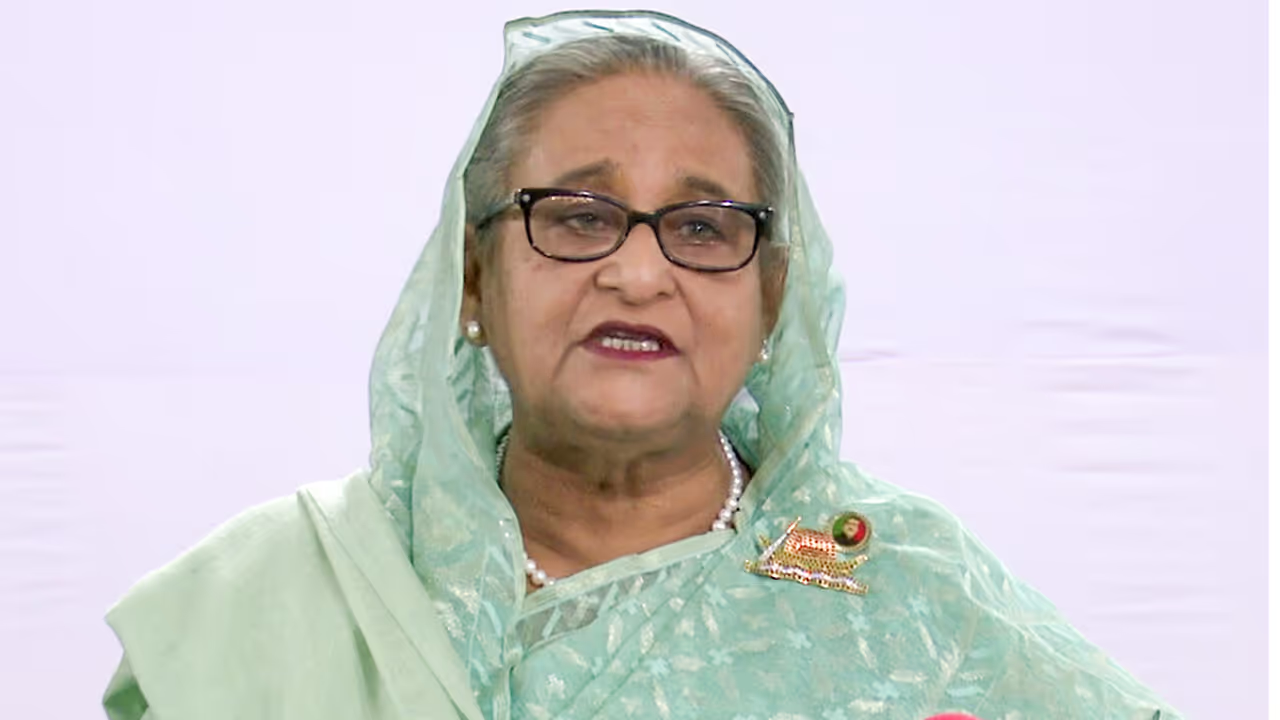
Bangladesh’s political and social unrest has sharply intensified as deposed Prime Minister Sheikh Hasina publicly condemned the interim government led by Nobel laureate Muhammad Yunus, accusing it of allowing and perpetrating “unspeakable atrocities against non-Muslims”.
In a Christmas message, Hasina claimed that the current regime, which she describes as having seized power illegally, has interfered with the freedom of religious communities and failed to protect minorities from violence and discrimination. She invoked Bangladesh’s history of communal harmony and criticized the interim leadership for undermining that legacy.
Her remarks come amid reports of increasingly targeted attacks on minority communities, including the lynching and burning of a Hindu man in Mymensingh and subsequent violent incidents where another minority man was beaten to death. Hasina stressed that such acts are symptomatic of a broader crisis of governance and lawlessness under Yunus’s rule, asserting that these human rights violations contradict the inclusive vision of the nation’s founders.
Related Articles

The criticism has reverberated beyond Bangladesh, with heightened concern in neighbouring India and protests outside the Bangladeshi embassy in Delhi calling for accountability and protection for minorities. The interim government has attempted to respond by stating that it is taking responsibility for victims’ families and has filed cases related to attacks, but tensions remain high as communal incidents continue.
Amid this backdrop of political turmoil, public confidence in state institutions and the rule of law is under strain, with critics warning that failure to safeguard minority rights risks deepening social fractures in Bangladesh.