
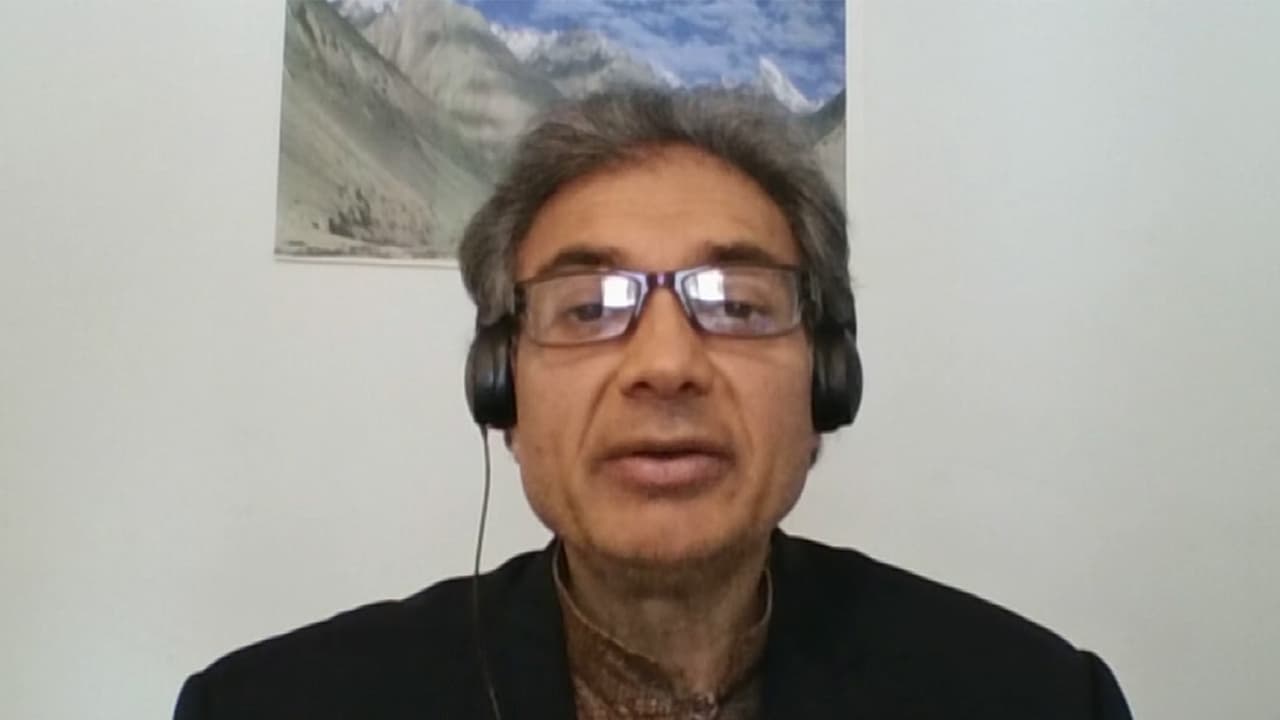
Women in Pakistan-occupied Gilgit-Baltistan are leading protests against severe water and electricity shortages. Advocate Senge Sering supports them, alleging decades of systemic neglect and calling for an end to Pakistan's 'illegal occupation'.
Women Lead Protests Over Basic Services
Protests led by women over water shortages, prolonged electricity cuts and lack of basic services have drawn attention in Pakistan-occupied Gilgit-Baltistan (PoGB), with human rights advocate and president of the Institute for Gilgit Baltistan Studies, Senge Sering, voicing support and alleging decades of systemic neglect in the region.
Sering said women in PoGB are increasingly coming forward to demand fundamental rights, including access to water, electricity and sanitation.
Referring to a recent viral video from Gilgit city, he described how a woman protested against the absence of essential services in her locality. According to him, the protester highlighted that the water supply in her area is limited to barely half an hour after gaps of ten to fifteen days, while electricity shortages and sanitation problems persist. She also raised concerns over unemployment among local youth.
Advocate Alleges Systemic Neglect, Illegal Occupation
Sering further stated that the protest reflects broader frustrations in the region. He alleged that residents feel excluded from governance and questioned the appointment of administrators from outside the region. He said the institutions of the region belong to local people and that they should have the right to govern themselves.
In his remarks, Sering also claimed that Pakistan has illegally occupied the region and should vacate it, asserting that the area rightfully belongs to India. He referred to United Nations resolutions and argued that Islamabad should act in accordance with them. According to Sering, once Pakistan withdraws, the people of the region could directly engage with India regarding their constitutional, legal and political rights.
Deeper Issues of Political Marginalisation
Observers critical of the current administration argue that the ongoing shortages of water and electricity point to deeper issues of political marginalisation and unequal distribution of resources in PoGB. They contend that the region has long faced limited political representation and inadequate infrastructure development compared to other areas.
The protests continue amid mounting public dissatisfaction, with residents calling for improved access to basic services and greater accountability in governance. (ANI)
(Except for the headline, this story has not been edited by Asianet Newsable English staff and is published from a syndicated feed.)