Iranian lawmakers propose tolls on ships using the Strait of Hormuz amid ongoing war tensions. Tehran says countries must pay taxes if they want secure passage through the strategic global oil shipping route.
As the Middle East conflict continues to reshape global shipping routes, Iranian lawmakers have floated a controversial proposal — charging tolls and taxes to ships that pass through the strategically vital Strait of Hormuz. The move, reported by Iranian media on Thursday, comes weeks after the conflict began following United States and Israel strikes on Iran on February 28.
Iranian officials have already warned that maritime traffic through the narrow waterway will not return to normal any time soon.
Also read: Israel-Iran Conflict: Can Iran Disrupt Internet by Cutting Undersea Cables in Hormuz?
Related Articles

Plan to Charge Ships for Safe Passage
According to reports by Iran’s ISNA news agency, members of the Iranian parliament are pursuing legislation that would require ships to pay fees if they want to use the waterway safely.
Tehran lawmaker Somayeh Rafiei said the proposal is framed as compensation for the security Iran claims it provides in the region.
“We in parliament are pursuing a plan under which countries will pay tolls and taxes to the Islamic republic if the Strait of Hormuz is used as a secure route for transit, energy and food security,” Rafiei was quoted as saying.
She further added: “The security of the strait will be established with strength, authority and grandeur by the Islamic Republic of Iran, and countries must pay a tax in return.”
Shipping Disruptions Since War Began
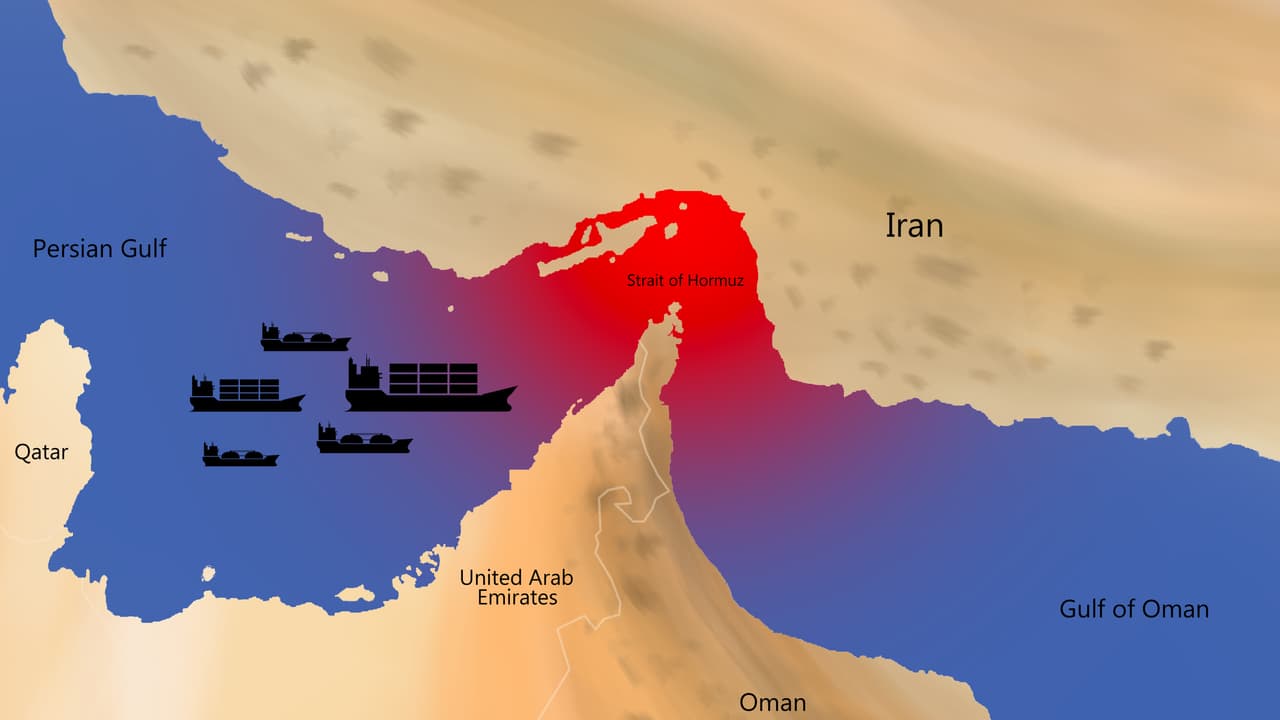
The Strait of Hormuz, one of the world’s most critical energy chokepoints, has seen maritime traffic slow dramatically since the outbreak of hostilities.
Iranian forces have reportedly attacked several vessels, accusing them of ignoring warnings not to transit the waterway.
Iran’s parliament speaker Mohammad Bagher Ghalibaf recently indicated that normal shipping patterns are unlikely to return soon.
Maritime traffic would “not return to its pre-war status,” Ghalibaf said earlier this week.
Selective Access for ‘Friendly’ Countries
In a sign that Tehran may be attempting to leverage the strait as geopolitical pressure, Iran has recently allowed vessels from countries it considers friendly to pass through the corridor.
At the same time, authorities warned they could block ships belonging to nations that Tehran believes have supported military actions against it.
Some Ships Still Navigating the Waterway
Despite the tensions, limited maritime movement continues.
Maritime intelligence firm Windward reported that at least five ships exited the strait through Iranian waters between March 15 and 16.
The situation has further intensified after a message from Iran’s supreme leader Ayatollah Mojtaba Khamenei suggested Tehran should use the strait as strategic leverage.
“The lever of blocking the Strait of Hormuz must definitely be used,” the message said.
Also read: ‘No More Israeli Attacks Unless…’: Trump Warns Iran After Qatar LNG Strike
Global Implications
The Strait of Hormuz is one of the most crucial maritime corridors in the world, handling a significant share of global oil shipments from Gulf producers.
Any attempt by Iran to impose tolls — or restrict access — could have sweeping implications for global energy markets, shipping costs, and geopolitical stability across the region.
With tensions still running high, the proposal underscores how the waterway is increasingly becoming a strategic tool in the wider conflict.