
A conflict involving Iran, the US, and Israel has escalated after Iran launched a retaliatory missile strike on Qatar’s Ras Laffan LNG hub. The attack on the critical energy facility has disrupted global markets and heightened fears of a wider regional war.
The Iran-US-Israel war has entered a volatile new phase after Iran launched missile strikes on Qatar’s Ras Laffan LNG hub, triggering global concern and a sharp response from US President Donald Trump. The attack on one of the world’s most critical energy facilities has intensified fears of a wider regional conflict and disruption to global energy supplies.
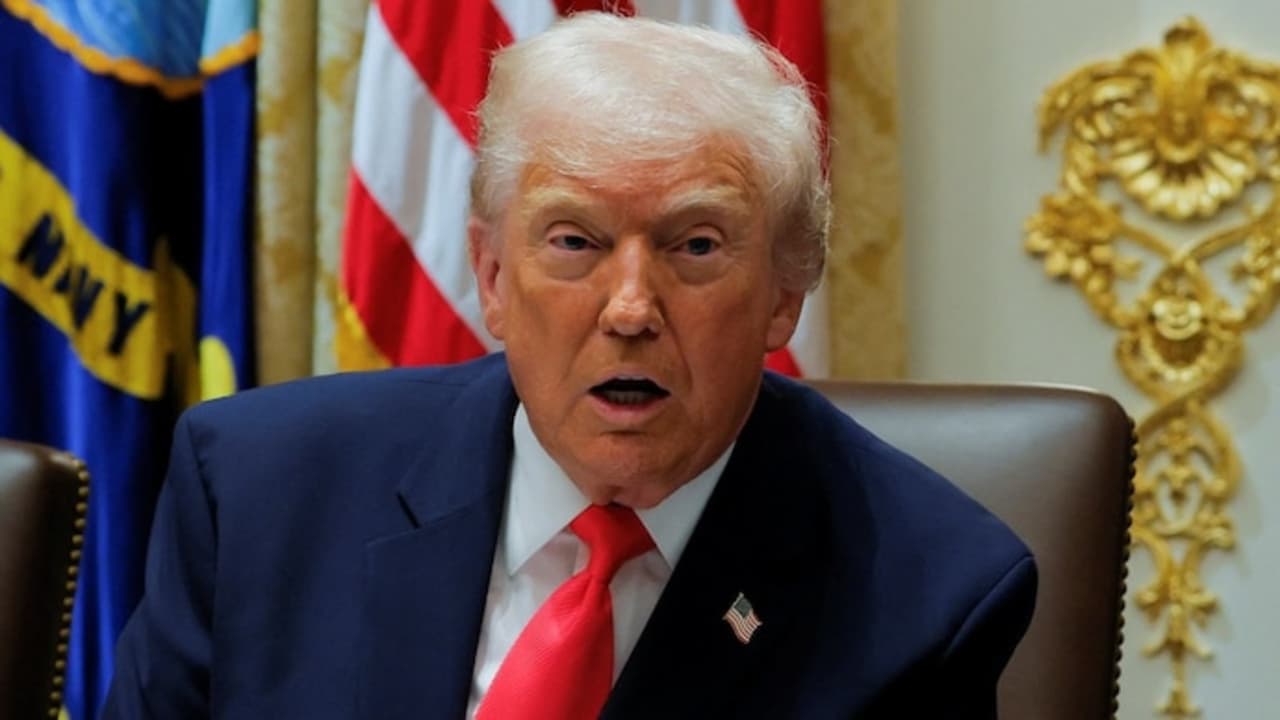
In a key development, Trump signalled a potential pause in Israeli strikes but issued a strong warning to Tehran. He indicated that there would be “no more Israeli attacks unless…” certain conditions are violated, suggesting that future escalation now depends heavily on Iran’s actions. This marks a shift in tone, as Washington balances deterrence with attempts to avoid a full-scale regional war.
Trump Distances US From Key Strike
Trump also distanced the United States from a major Israeli strike on Iran’s South Pars gas field, the world’s largest natural gas reserve. He said Israel acted independently, stressing that the US and Qatar had no prior knowledge of the operation.
He warned Iran against further escalation, making it clear that any additional attacks—especially on Gulf energy infrastructure—could provoke a severe response. Reports note that Trump cautioned Tehran that targeting Qatar again could lead to retaliation against Iran’s key energy assets.
Also Read: Iran War Enters Dangerous New Phase as US Rethinks Strategy With Big Military Push
Iran’s Retaliation Targets Energy Infrastructure
The missile strike on Ras Laffan is widely seen as retaliation for earlier attacks on Iran’s own energy facilities. The assault caused fires and damage at the LNG hub, though no casualties were reported.
Iran has also warned that Gulf energy infrastructure—including facilities in Saudi Arabia, the UAE, and Qatar—could remain targets as the conflict escalates. These developments mark a dangerous shift in the war, where economic and civilian infrastructure is increasingly in the crosshairs.
Global Energy Markets on Edge
The escalation has already sent shockwaves through global markets. Oil prices surged sharply, with analysts warning of further increases if attacks continue or if shipping routes like the Strait of Hormuz are disrupted.
The Ras Laffan facility is a cornerstone of global LNG supply, and any sustained damage or disruption could have far-reaching consequences for energy security worldwide. The targeting of such critical infrastructure highlights the growing economic dimension of the conflict.
War Expands Across the Region
The broader conflict, which began on February 28 with coordinated US-Israeli strikes on Iran, has rapidly expanded across the Middle East. Recent days have seen attacks on gas fields, refineries, and military installations, alongside the killing of senior Iranian leaders.
Despite heavy losses, Iran has continued to mount retaliatory strikes, demonstrating its ability to hit targets across the Gulf. The ongoing exchanges have raised fears that the war could spiral into a larger regional confrontation involving multiple countries.
Also Read: How Israeli Forces Tracked and Killed Iran’s Top Security Chief Ali Larijani
A Fragile Turning Point
Trump’s statement that there may be “no more Israeli attacks unless…” signals a possible attempt to de-escalate—but also underscores how fragile the situation remains. With both sides continuing to target high-value assets and issue warnings, the conflict stands at a critical juncture.
Any further strike—especially on energy infrastructure—could push the region into deeper instability, with global consequences for oil, gas, and geopolitical balance. For now, the world watches closely as diplomacy, deterrence, and military strategy collide in one of the most dangerous phases of the Iran war so far.
