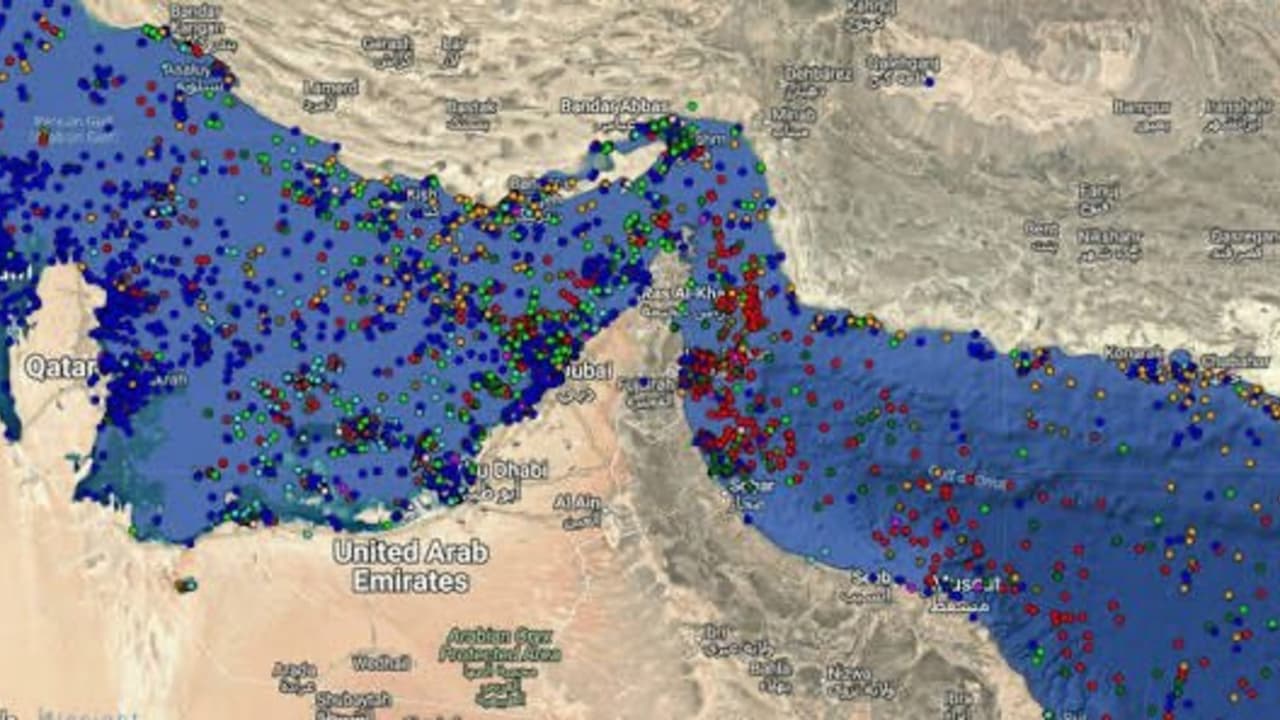
The Strait of Hormuz, a vital channel for global oil shipments, is a flashpoint in the escalating US-Israel-Iran conflict. Disruptions threaten energy markets and economic stability. To secure the route, US President Trump proposed a multinational naval coalition, asking international partners to contribute forces and share costs.
The escalating conflict between the United States, Israel and Iran has pushed the strategic Strait of Hormuz back into global focus, with US President Donald Trump urging international partners to join a naval coalition aimed at securing one of the world’s most crucial maritime trade routes. The narrow waterway, through which a large share of global oil shipments pass, has become a flashpoint amid attacks on commercial vessels, rising energy prices and intensifying geopolitical tensions.
Why the Strait of Hormuz Matters
The Strait of Hormuz connects the Persian Gulf to the Arabian Sea and serves as a critical artery for global energy supplies. Disruptions in the region can immediately affect oil markets, shipping insurance costs and broader economic stability. Analysts say that any prolonged blockade or threat to shipping traffic could trigger supply shocks, push inflation higher and complicate recovery in vulnerable economies.
Recent attacks and threats by Iranian forces have heightened fears about the safety of international shipping. US officials argue that ensuring freedom of navigation in the strait is not only a regional security issue but also a global economic priority. Trump has repeatedly stressed that countries dependent on Gulf energy should share responsibility for safeguarding the route. He reportedly said nations benefiting from the passage must help keep it “open and safe.”
Related Articles

Also Read: Several Indian LPG carriers stuck in Hormuz amid West Asia conflict
Trump’s Coalition Idea Explained
Trump’s proposal centres on building a multinational naval presence to escort tankers, conduct surveillance and deter attacks. Such coalitions are not unprecedented. In earlier crises, coordinated maritime security efforts helped protect trade routes from piracy and state-linked disruptions. The concept involves deploying warships from multiple nations under a loosely coordinated command structure, allowing them to share intelligence and operational responsibilities.
Reports suggest Trump has approached several countries — including key energy importers — to contribute vessels or logistical support. He indicated he had asked “about seven” countries to participate, reflecting Washington’s attempt to spread the strategic and financial burden of maintaining maritime security.
Supporters argue that a coalition could deter further escalation by signalling unified international resolve. By ensuring tanker escorts and clearing potential threats such as naval mines, such an alliance might stabilise shipping flows and calm volatile energy markets.
Challenges and Global Reluctance
Despite the proposal’s strategic logic, building a Hormuz coalition has proven difficult. Major European powers including the United Kingdom, France and Germany have expressed reluctance to commit forces, citing concerns about being drawn into a wider regional war. Officials in these countries emphasise that NATO’s role is primarily defensive rather than interventionist.
Some governments also worry about domestic political backlash and the financial costs of sustained deployments. Others question whether joining a US-led initiative could damage diplomatic channels with Tehran or increase risks to their own shipping interests.
Trump has nevertheless maintained that global participation is essential to gauge the reliability of allies and ensure a collective response to threats. In public remarks, he has emphasised that the United States has already taken significant military action and expects partners to contribute more actively.
Also Read: Sri Lanka Cuts Work Week to 4 Days, Imposes Fuel Rationing Amid Oil Crisis
Military Context and Rising Tensions
The coalition debate comes amid intensifying military exchanges. US and Israeli strikes have targeted Iranian facilities, while Iran has responded with drone and missile attacks across the region. Trump claimed that thousands of strikes had weakened Iran’s capabilities, yet he continued to push for allied naval support to maintain pressure on Tehran and secure maritime routes.
At the same time, intelligence assessments suggest that Iran retains the capacity to disrupt shipping despite suffering significant losses. This reality underscores why Washington views a multinational security presence as necessary rather than optional.
Energy Security and Economic Stakes
The Hormuz crisis has broader implications for global markets. Even limited disruptions can push oil prices higher, affect shipping schedules and create uncertainty for industries dependent on steady fuel supplies. Economists note that geopolitical shocks in energy corridors often have cascading effects, influencing everything from consumer prices to currency stability.
Countries heavily reliant on imported oil face difficult choices: whether to prioritise short-term energy security by supporting the coalition or pursue diplomatic engagement aimed at de-escalation. This strategic dilemma has contributed to cautious responses from many governments.
Can a Coalition Actually Work?
Experts say the success of any Hormuz coalition would depend on clear objectives, robust command coordination and political unity among participating nations. Without broad consensus, even a well-equipped naval mission could struggle to maintain long-term effectiveness.
There is also the risk that increased military presence could escalate tensions rather than reduce them. Iran has warned that foreign intervention in regional waters may provoke further retaliation. Such dynamics highlight the delicate balance between deterrence and escalation that policymakers must navigate.
The Road Ahead
As the conflict evolves, Trump’s coalition proposal remains a focal point in debates about global security cooperation and the future of maritime strategy. Whether the initiative gains traction could shape not only the trajectory of the Iran crisis but also the broader framework for responding to geopolitical disruptions in key trade routes.
Ultimately, the Hormuz situation reflects a larger shift in international relations, where economic interdependence, military deterrence and diplomatic engagement intersect. The coming weeks are likely to determine whether a multinational alliance emerges — or whether divisions among global powers allow uncertainty in the strait to persist.